
gentle, nonjudgmental care
Guilt and Shame Counseling in Overland Park, KS
If some part of you believes you are too much, not enough, or fundamentally wrong, you are not alone, and that belief is not the final word on who you are.
- ◦ In person in Overland Park
- ◦ Telehealth across Kansas
- ◦ Most insurance accepted

You might recognize yourself here
- 01
You apologize reflexively, even when someone else bumps into you.
- 02
One piece of critical feedback at work can ruin your week, while compliments barely register.
- 03
You were taught that your body, your desires, or your questions were dangerous, and part of you still flinches when they come up.
- 04
You avoid mirrors, photos, or the doctor’s office because of how you feel about your body.
- 05
You keep replaying one decision, sometimes years old, as if thinking about it enough could change the outcome.
- 06
You extend compassion to everyone else, but offering it to yourself feels ridiculous or even wrong.
- 07
When you make a mistake, the thought isn’t “I did something bad” but “I am bad.”
- 08
You work hard to stay small, agreeable, and useful so no one looks too closely.
Shame counseling in Overland Park, KS is for anyone who carries a quiet verdict about themselves. Maybe it formed in a strict household, a church youth group, a locker room, or a relationship where you were blamed for everything. Maybe it grew around a decision you still replay. However it arrived, shame has a way of hiding in plain sight, showing up as perfectionism, people-pleasing, numbness, or a flash of heat in your face when someone looks too closely.
At Mind & Body Healing Collective, we approach guilt and shame with warmth and curiosity rather than judgment. We are spiritually open, LGBTQIA+ affirming, and body-inclusive, so whatever shaped your shame, whether faith, sexuality, weight, family, or a painful choice, you won’t have to defend your whole identity before we can begin. As our founder puts it, “In my office, you are safe. Safe to explore all the things that rattle around in your head & heart.”
Guilt vs. shame: what’s the difference?
Guilt and shame often travel together, but they point in different directions. Guilt says, “I did something that doesn’t match my values.” It focuses on a behavior, and when it’s proportionate it can be useful, nudging you to apologize, repair, or change course. Shame says, “Something is wrong with me.” It targets your whole self, and instead of moving you toward repair, it tends to push you into hiding, defending, or collapsing.
Therapy helps you tell the two apart. Some guilt is appropriate and deserves action; some is inherited or wildly out of proportion, like feeling responsible for a parent’s moods or a partner’s choices. Shame, meanwhile, usually needs something other than logic. You can know perfectly well that you’re worthy and still feel unworthy. That gap between knowing and feeling is exactly where our work happens.
Religious, purity, and body shame
Many people in the Kansas City area grew up in faith communities that gave them real belonging, and some also absorbed messages that their bodies, sexuality, doubts, or identities were sinful or dangerous. Purity culture in particular can leave adults feeling anxious or disconnected during intimacy, even in relationships they chose freely. We hold space for all of it, whether you want to stay rooted in your faith, reshape it, or step away entirely. Spiritual practices are included only if you want them.
Body shame is just as common and just as layered. It can come from comments at the dinner table, diet culture, disability or chronic illness, gender dysphoria, or trauma that made the body feel unsafe. Rather than focusing on changing how your body looks, we help you rebuild a relationship with it based on respect and listening instead of surveillance and correction. For many people, that shift touches everything from eating to intimacy to rest.
- Shame about sexuality, desire, or pleasure rooted in purity messages
- Guilt about leaving, questioning, or changing a religious tradition
- Shame connected to sexual orientation, gender identity, or relationship structure
- Body shame linked to weight, aging, illness, disability, or trauma
- Moral injury after actions, or inactions, that conflict with deeply held values
How shame counseling in Overland Park can help
Shame lives in the body as much as in the mind. You may notice it as a sinking in the chest, eyes that drop to the floor, a sudden urge to leave the room, or a mental fog that makes it hard to find words. Because of this, our trauma-informed therapists pay close attention to what your nervous system is doing in session. We go slowly, check in often, and treat any urge to hide as information rather than failure.
From there, the work unfolds in layers. First comes safety and stabilization: learning to notice shame as it arises and to ride it out without spiraling. Next, we get curious about where the beliefs came from and whose voice the inner critic is really borrowing. Finally, we help you build something to replace it, a steadier, kinder inner stance that can hold accountability and self-compassion at the same time.
Modalities that loosen shame’s grip
Shame tends to resist straightforward reasoning. You can argue with it for years and still feel it ambush you in the middle of a meeting. That’s why we often combine talk therapy with approaches that reach the emotional and physiological layers where shame is stored. Your therapist will tailor the blend to your history, your pace, and what feels tolerable right now, and you always have a say in what we try:
When guilt is tied to a real harm you caused, therapy can also support repair: helping you take ownership, make amends where appropriate, and then set the weight down. Accountability and self-compassion are not opposites. People generally become more responsible, not less, when they stop drowning in shame, and it often becomes easier to apologize well once a mistake no longer feels like a referendum on your worth.
- Internal Family Systems (IFS), which treats the inner critic as a protective part with a job to do, so you can understand it instead of fighting it
- EMDR and Brainspotting to reprocess specific memories, like a humiliating moment or a harsh punishment, that keep feeding shame
- Somatic therapy to release the collapse, freeze, or tension shame leaves in the body
- Compassion-focused and mindfulness-based work to strengthen a kinder internal voice
- CBT to catch and question the automatic thoughts that follow a mistake
Finding a shame-sensitive therapist in Johnson County
Suburban life can quietly intensify shame. When everyone’s kitchen, career, and kids look polished from the outside, it’s easy to assume you’re the only one struggling behind the front door. It might be the Leawood professional who feels like an impostor at every meeting, the Olathe parent who judges every misstep, or the adult anywhere in the metro still untangling what they learned in church or at home. All of them belong here.
Our Overland Park office is on W 87th St in the Mark One Building, a discreet professional setting where no one needs to know why you’re there. If even walking into an office feels like too much right now, telehealth lets you begin from the privacy of your own home anywhere in Kansas, then move to in-person sessions if and when that feels right. Starting small still counts as starting.
what to expect
how we'll begin, together
- 1
Send a short message
You don’t need to explain the shame to ask for help. Call (785) 615-1995 or email contact@mbhealingcollective.org; a single line like “struggling with guilt” is enough.
- 2
An intake without interrogation
Your first session covers your history and goals at a pace you set. Saying “I’m not ready to talk about that yet” is always respected.
- 3
Name the inner critic’s patterns
Together you identify where shame shows up, what sets it off, and which approaches, such as IFS, EMDR, or somatic work, fit your needs and comfort.
- 4
Practice a new relationship with yourself
Over time, sessions move from understanding shame to living differently: setting boundaries, receiving care, and meeting mistakes with accountability instead of self-punishment.
clinicians in overland park
people you might work with

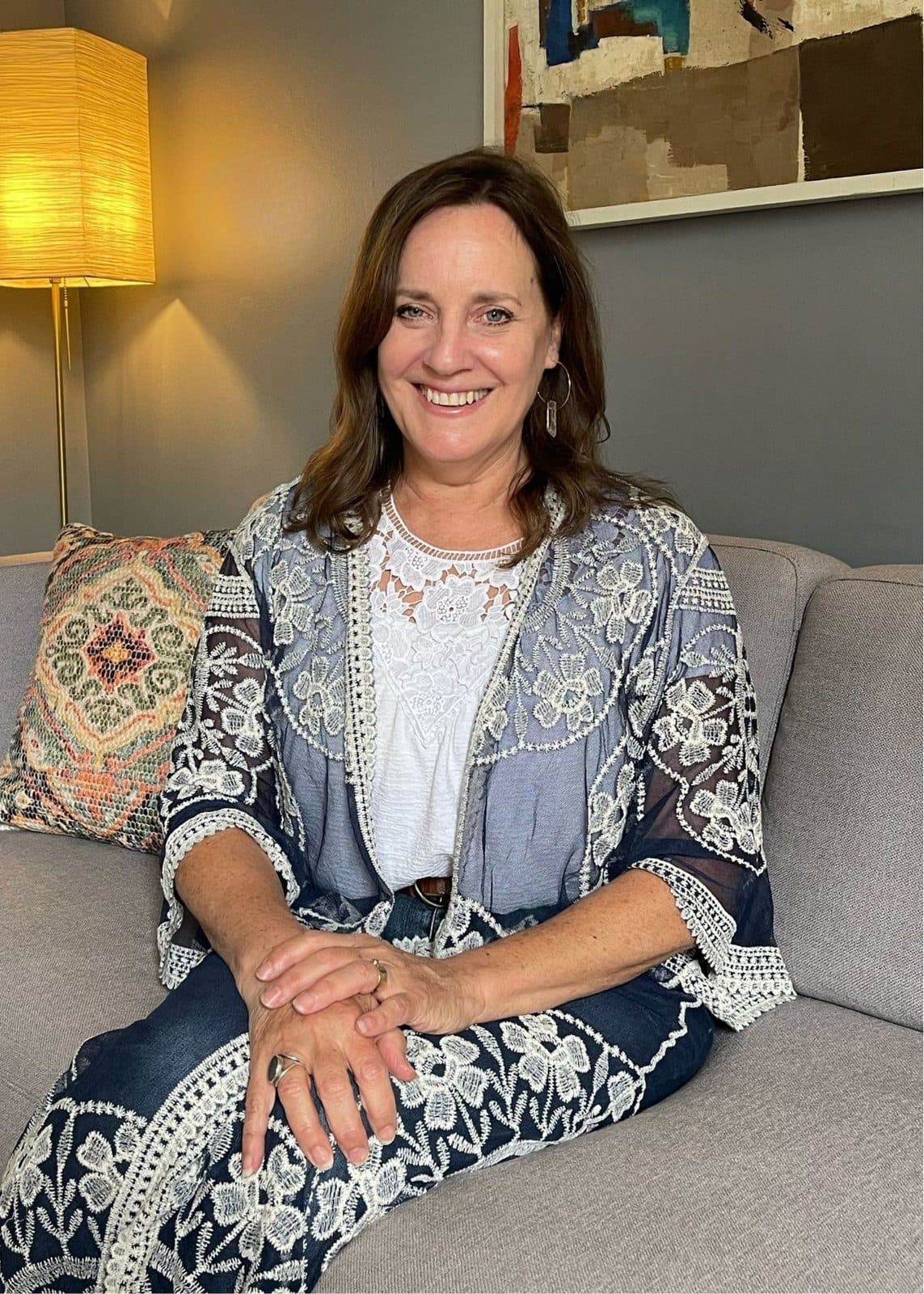
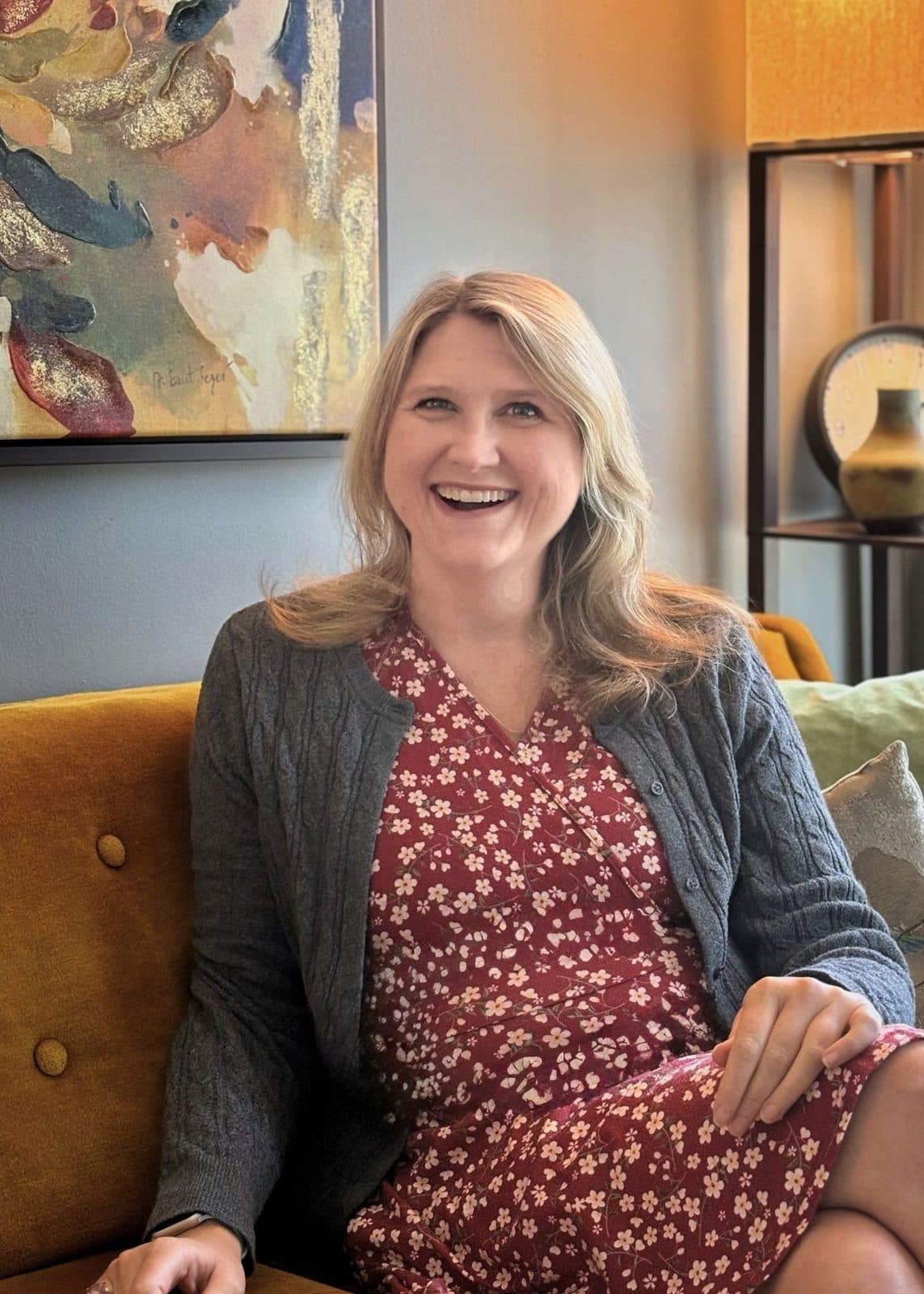

guilt & shame counseling near you
visiting us in overland park
Shame counseling is offered at 10100 W 87th St, Suite 204, in the Mark One Building in Overland Park, a short drive from both I-35 and I-435. We welcome clients from Leawood, Olathe, Lenexa, Merriam, and Mission, and from throughout the Kansas City metro. Secure telehealth is available anywhere in Kansas for people who would rather begin this tender work from home, and some clinicians also hold Missouri licenses.
Mon–Fri · 8 AM–9 PM · (785) 615-1995
questions
guilt & shame counseling in overland park, answered
Still wondering about something? Call (785) 615-1995 or send us a note.
Is shame counseling covered by insurance?
Shame itself isn’t a diagnosis, but it’s often woven into conditions insurance does cover, such as anxiety, depression, or PTSD. We’re in network with plans including BCBS KS & KC, Aetna, Cigna, United, Ambetter, Medicare, and KanCare, and we file claims for you. Self-pay sessions are $250 for 60 minutes or $175 for 45, with a 40% discount when paid on the day of service.
I’m still religious. Will a therapist try to talk me out of my faith?
No. Our collective is spiritually open, which means we respect whatever relationship to faith you choose. Some clients want to heal religious shame while staying connected to their tradition; others are questioning or have already left. Your therapist follows your lead, and spiritual or contemplative practices are brought in only if you want them.
What if I feel too ashamed to even talk about it?
That’s one of the most common feelings people bring to a first session, and it’s okay. You can start at the edges, like how shame affects your sleep or relationships, before sharing specifics. Approaches like Brainspotting and somatic therapy can also make meaningful progress without requiring you to narrate every painful detail out loud.
Can therapy help with guilt over something I really did wrong?
Yes. Healthy guilt can guide repair, and therapy can help you take honest responsibility without sinking into self-punishment that helps no one. Your therapist can support you in making amends where appropriate, forgiving yourself where that’s possible, and living more closely in line with your values going forward.
Is shame connected to depression or self-harm?
It can be. Intense, long-standing shame often travels with depression, anxiety, isolation, and sometimes thoughts of self-harm. If you’re having thoughts of hurting yourself or feel unsafe, please call or text 988 to reach the Suicide & Crisis Lifeline at any hour, or call 911. Once you’re safe, ongoing therapy is a good next step, and we’re here for that.
Do you offer shame counseling for LGBTQIA+ clients?
Yes. Shame around sexual orientation, gender identity, or nontraditional relationships is something our affirming team understands well. We are LGBTQIA+ affirming as well as ENM, polyamory, and kink-affirming, so you won’t spend sessions educating your therapist or bracing for judgment. The focus stays on your healing.

take the first step
you don't have to carry it alone.
Tell us a little about what's going on and we'll match you with a clinician in Overland Park who fits, in person or by telehealth. Most insurance accepted.