
present-moment healing
Mindfulness Therapy at Mind & Body Healing Collective
Maybe you’ve tried meditation apps and ended up more frustrated than calm. Mindfulness in therapy is different: it’s a new relationship with your own mind, practiced with someone beside you.
- ◦ In person in Lawrence, Overland Park or Topeka
- ◦ Telehealth across Kansas
- ◦ Most insurance accepted

approaches we use
- Mindfulness-Based Therapy
- CBT
- DBT Skills
- Somatic Therapy
- Group Therapy
You might recognize yourself here
- 01
Your mind replays conversations long after they end, searching for what you did wrong.
- 02
You’ve downloaded three meditation apps and opened each of them twice.
- 03
Sunday evenings come with a sinking feeling about everything waiting on Monday.
- 04
You realize you were upset only after you’ve already snapped at someone you love.
- 05
Low moods keep returning, and you can feel the old slide beginning before you can stop it.
- 06
You eat, scroll or drive on autopilot and arrive somewhere with no memory of getting there.
- 07
Being told to “just relax” makes you want to scream.
Mindfulness therapy at Mind & Body Healing Collective, offered at our offices in Lawrence, Overland Park and Topeka or by telehealth, is for people who are tired of being yanked around by their own thoughts. You’ve probably heard “mindfulness” on a podcast or from a friend who swears by meditation, and it can sound like one more thing to get right. In therapy, it’s far more practical: learning to notice what’s happening inside you, in real time, without immediately believing it, fighting it or running from it.
Our mindfulness-based therapists draw on Mindfulness-Based Cognitive Therapy (MBCT), DBT mindfulness skills and body-centered awareness. Over time, many clients find they can catch a spiral of worry earlier, recover from stress more quickly, and meet hard emotions with patience and kindness instead of panic or shame. You don’t need to be calm, flexible or spiritual to begin. You only need a willingness to pay attention, a few minutes at a time.
Is Mindfulness Therapy Just Meditation?
No, and that’s good news if sitting still for twenty minutes sounds impossible. Meditation is one way to practice mindfulness, but in therapy the focus is on a skill you can use anywhere: noticing your experience as it unfolds, with curiosity instead of judgment. You might practice for sixty seconds before a meeting, while washing dishes, or in the middle of a tense conversation with your partner. The practice is portable, which is exactly what makes it useful on ordinary days.
It also isn’t “just breathing.” Breath is a useful anchor, but mindfulness-based therapy goes further, helping you recognize the stories your mind tells, the urges that ride along with strong feelings, and the sensations in your body that signal stress long before your thoughts catch up. The aim isn’t an empty mind. It’s a more spacious one, with room to choose how you respond instead of reacting on reflex. Over time, that space becomes a kind of inner home base you can return to whenever life speeds up.
How Mindfulness-Based Cognitive Therapy Works
MBCT blends the practical tools of cognitive therapy with mindfulness practice. It was originally designed to help people who had experienced repeated episodes of depression notice early warning signs and step off the familiar path back down. Clinicians now also use it for anxiety, chronic stress and the relentless inner critic many high achievers know all too well.
A central idea in MBCT is that thoughts are mental events, not facts. When “I’ll never get this right” shows up, you learn to see it as a thought passing through rather than a verdict. That small gap between noticing and reacting is where choice lives, and MBCT helps you widen it through regular, guided practice. Your therapist will explain the purpose of each exercise so it never feels like empty ritual. Practices we commonly teach include:
- The body scan, moving attention slowly from head to toe to notice tension, numbness or ease
- The three-minute breathing space, a short reset for the middle of a hard day
- Mindful movement and walking, for people who think better in motion
- Noting practice, gently labeling “planning,” “worrying” or “remembering” as thoughts arise
- Self-compassion practices that soften a harsh inner voice
Trauma-Sensitive and Body-Aware Mindfulness
For some people, especially those with trauma histories, turning attention inward can feel unsafe at first. Closing your eyes or focusing on your breath might raise anxiety rather than lower it. Our mindfulness-based therapists adapt practices to your nervous system: eyes open if you prefer, shorter exercises, attention anchored in your feet or your surroundings, and the freedom to stop at any time. If a practice ever stirs up more than it settles, that’s useful information, not a failure, and we’ll adjust together.
Our team includes a certified mindfulness teacher, clinicians with yoga teacher training, and practitioners who bring nature-based awareness into their work. Mindfulness is also threaded through our DBT skills work, somatic therapy and trauma processing, so it can serve as your foundation or as one strand of a broader plan. For clients who want it, we can also explore the contemplative and spiritual roots of practice, always at your invitation and never as a requirement.
Practices Between Sessions
Mindfulness grows with repetition, so much of the change happens between appointments. Your therapist will suggest short, realistic practices that fit your life instead of a rigid daily hour. You might pair a breathing space with your morning coffee, take one mindful walk a week somewhere you love, or pause for three breaths before opening your inbox.
Each session, we’ll talk about what you noticed: what helped, what irritated you and where your mind wandered. There’s no failing at this. A wandering mind isn’t a problem to fix. Noticing that it wandered and gently returning is the practice itself, and every return strengthens the skill. Most people find that, week by week, the returns come a little sooner and the self-criticism grows a little quieter.
Mindfulness Therapy for Every Stage of Life
We teach mindfulness to children, teens, college students, working adults and older adults, and we adjust it to fit each stage. For kids, it might look like noticing games, a glitter jar or breathing with a stuffed animal riding on their belly. For KU, Washburn and Johnson County students juggling exams, roommates and big transitions, it can mean quick grounding tools that work in a crowded lecture hall.
Adults often use mindfulness to manage burnout, parenting pressure and caregiving stress. Older adults may find it supports sleep, grief and adjustment to health changes, and clinicians who work with later life often pair it with gentle movement and reflection on meaning. Wherever you are in life, the invitation is the same: to come home to the present moment, where your life is actually happening.
what to expect
how we'll begin, together
- 1
Start the conversation
Reach out by phone or email and let us know you’re interested in mindfulness-based work, whether for stress, low mood or something harder to name.
- 2
Intake session
In your first appointment, we explore what’s been hard, how your mind and body respond to stress, and any history that might make certain practices uncomfortable.
- 3
A tailored practice plan
Your therapist selects practices that match your needs, from MBCT exercises to DBT mindfulness skills or body-based awareness, and sets small, doable goals.
- 4
Practice, reflect, refine
Sessions balance conversation with brief guided practice, reviewing what you tried at home and adjusting as you build a steadier relationship with your mind.
clinicians across the collective
people you might work with

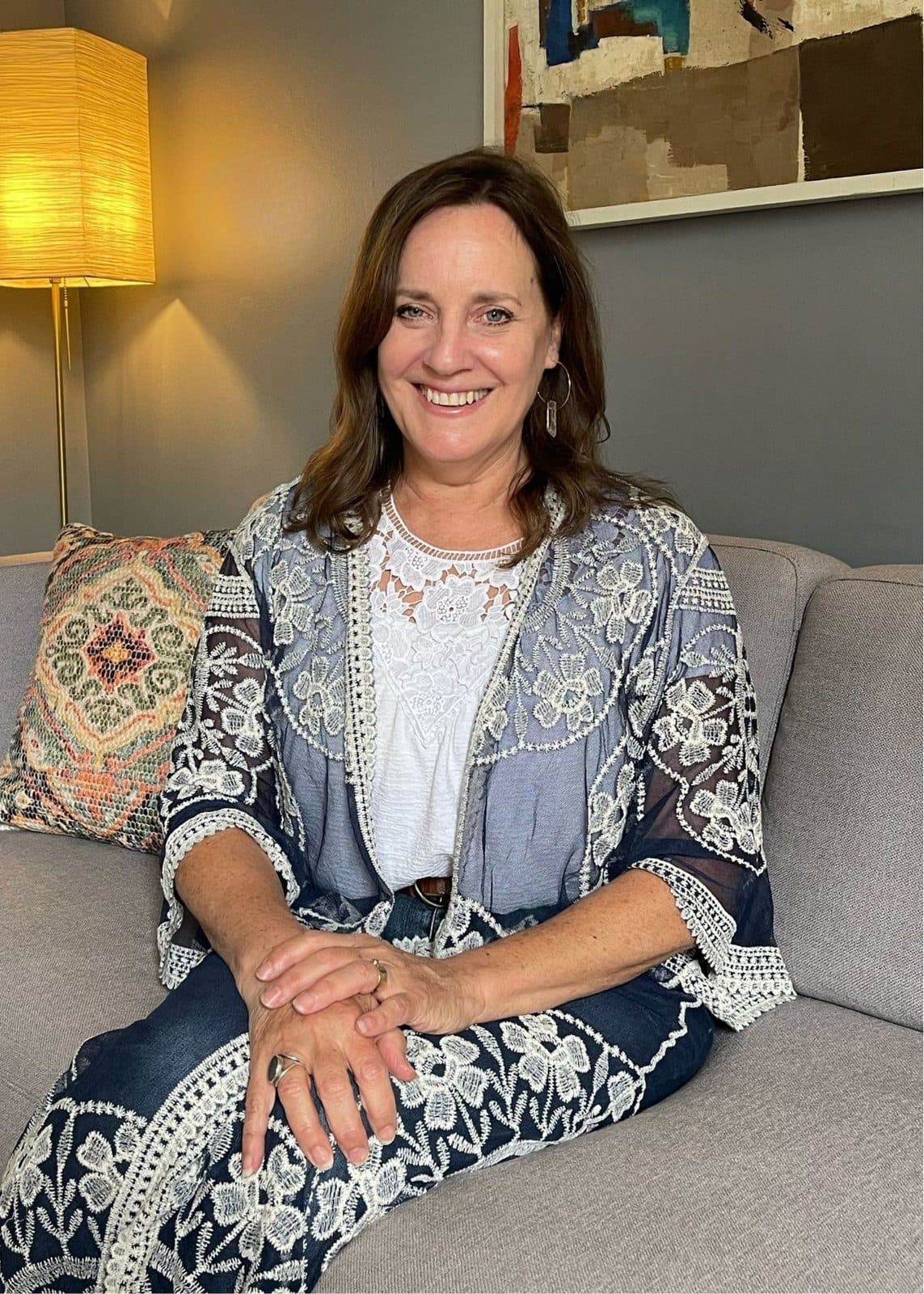


mindfulness-based therapy near you
four offices, plus telehealth
Mindfulness-based therapy is available at all four of our Kansas offices: our headquarters at 2619 W 6th St, Suites A & C, in west Lawrence; 616 Kentucky St, a quiet house a few blocks from downtown Lawrence; 10100 W 87th St, Suite 204, in Overland Park’s Mark One Building; and 5020 SW 28th St, Suite 204, in Topeka. Many clients carry what they learn into familiar places, from the trails around Clinton Lake to Shawnee Mission Park or Lake Shawnee. We also offer secure telehealth in Kansas, Missouri, Washington and Florida, depending on clinician licensure.
Mon–Fri · 8 AM–9 PM · (785) 615-1995
questions
mindfulness-based therapy, answered
Still wondering about something? Call (785) 615-1995 or send us a note.
Does insurance cover mindfulness-based therapy?
Mindfulness-based therapy happens within regular psychotherapy sessions, so it’s generally billed like any other therapy visit. We’re in network with many plans, including Blue Cross Blue Shield, Ambetter, Cigna, UMR, Medicare and Kansas Medicaid, and we file the claim for you. If you’d rather self-pay, a 45-minute session is $175 and a 60-minute session is $250, and paying on the day of service takes 40% off.
I can’t sit still or quiet my mind. Can mindfulness still work for me?
Absolutely. A busy mind is exactly what mindfulness works with, not a sign you’re doing it wrong. We can start with movement-based practices, very short exercises, or attention on sounds and sights rather than breath. Many people with ADHD or anxiety find mindfulness far more accessible once it’s adapted to how their brain actually works.
Is mindfulness therapy religious?
No. Mindfulness has roots in contemplative traditions, but the therapeutic approaches we use, like MBCT and DBT skills, are secular and grounded in psychology. If you’d like to explore spiritual dimensions of practice, our clinicians are open to that too, and it’s entirely your choice. You’ll never be asked to adopt beliefs that don’t fit you.
How long before I notice a difference?
Some people feel a bit calmer after the very first guided practice. Deeper shifts, like catching a depressive spiral early or responding differently in conflict, tend to build over weeks of steady practice. Consistency matters more than duration: five minutes most days usually does more than an hour once a week.
Can mindfulness therapy help depression that keeps coming back?
That’s precisely what MBCT was designed for. It teaches you to recognize the early thoughts, sensations and behaviors that signal a slide, so you can respond sooner and more gently. It works well alongside other treatment, including medication. If depression ever brings thoughts of suicide, please call or text 988 right away, any time of day or night.
Do you offer mindfulness in a group setting?
Our group offerings change throughout the year and have included DBT skills and somatic, body-based groups, which often weave in mindfulness practice. The standard group rate is $80. Check our Groups & Events page for what’s currently running, or ask your therapist whether a group would complement your individual work.

take the first step
you don't have to carry it alone.
Tell us a little about what's going on and we'll match you with a clinician who fits, in person or by telehealth. Most insurance accepted.