
affirming by design
LGBTQIA+ Affirming Therapy at Mind & Body Healing Collective
“Everyone is welcome here” is a nice sign on the door. Affirming care is what happens after you walk through it, and it should never depend on luck.
- ◦ In person in Lawrence, Overland Park or Topeka
- ◦ Telehealth across Kansas
- ◦ Most insurance accepted

approaches we use
- Attachment-Based Therapy
- Emotion-Focused Therapy
- Family Systems
- EMDR
- Somatic Therapy
- Group Therapy
Signs you’ve been missing affirming care
- 01
A past therapist asked whether your gender identity might be “a phase.”
- 02
You’ve swapped your partner’s pronouns mid-sentence just to avoid a reaction.
- 03
You and your partners want help with communication but worry a counselor will fixate on the fact that there are three of you.
- 04
Headlines about anti-LGBTQIA+ legislation leave you drained, even when life is otherwise going okay.
- 05
Kink is a healthy part of your life, and you’ve never felt able to mention it to a professional.
- 06
You love your child and are still struggling to understand their transition.
- 07
You carry a quiet, constant vigilance in public spaces and aren’t sure what it’s costing you.
LGBTQIA+ affirming therapy means more than a therapist who is okay with you. It means care that treats queer, trans, nonbinary, intersex and asexual lives as healthy and whole, understands the real stressors that come from living in a world that doesn’t always agree, and never asks you to shrink to make someone else comfortable. At Mind & Body Healing Collective, affirming care is a practice-wide commitment across our Lawrence, Overland Park and Topeka offices and telehealth, not the specialty of one or two clinicians.
Whether you’re an individual, a couple, a polycule, a family learning to support someone you love, or a parent working through your own feelings, you deserve a therapist who meets you with respect and real competence. We also welcome ethically non-monogamous and kink-involved clients without judgment, because authenticity shouldn’t come with an asterisk. You get to bring your whole self here, including the parts you’ve learned to edit out elsewhere.
What Does “LGBTQIA+ Affirming” Actually Mean?
There’s an important difference between friendly, tolerant and affirming. A friendly therapist may be warm but untrained, leaving you to fill in the gaps. A tolerant one may accept your identity while still, subtly, treating it as something that needs explaining. An affirming therapist sees sexual orientation, gender identity and diverse relationship structures as natural variations of human life, and has done the learning to back that belief up with skill.
In practice, affirming care looks like using your name and pronouns consistently, never trying to change your orientation or gender identity, understanding the difference between sexuality and gender, and recognizing when a struggle is rooted in stigma rather than in you. It also means clinicians doing their own ongoing work on bias, so that you never have to become your therapist’s teacher in the middle of your own healing.
Minority Stress and Why It Matters
Researchers use the term minority stress to describe the extra load that comes with belonging to a stigmatized group: experiences of discrimination, the constant anticipation of rejection, the effort of hiding parts of yourself and the slow absorption of negative messages. None of that means something is wrong with LGBTQIA+ people. It means chronic stress affects the nervous system, and that effect is real and measurable in how people sleep, feel and relate.
Our trauma-informed, body-aware approach takes this seriously. We help clients notice how vigilance lives in the body, heal from specific painful experiences with approaches like EMDR or somatic therapy, and grow sources of resilience, from chosen family to pride in who they are. Naming minority stress often brings relief: what felt like a personal failing begins to look like a reasonable response to an unfair environment.
Our Practice-Wide Commitments
Affirming care shouldn’t depend on which clinician happens to have an opening. Whoever you see at our collective, and whether you come in for anxiety, grief or a relationship question, you can count on a shared foundation of values and training. Across our team, you can expect:
We also work to lower practical barriers that often keep LGBTQIA+ people from getting care: filing insurance on your behalf, offering secure telehealth across Kansas and beyond, and partnering with community organizations to offer LGBTQIA+ support groups when they’re available. If something about your experience with us ever feels less than affirming, we want to hear it, and we’ll take it seriously.
- Clinicians who ask, rather than assume, your name, pronouns and relationship structure
- No conversion efforts of any kind, ever
- Care that is ENM-, polyamory- and kink-affirming as well as LGBTQIA+ affirming
- Neurodivergent-affirming support, recognizing how often queer and neurodivergent identities overlap
- Openness to spiritual exploration, or none at all, on your terms
- Trans, queer and nonbinary clinicians on our team, alongside experienced allies
Affirming Couples, Relationship and Family Therapy
Queer relationships face many of the same challenges as any partnership, plus some unique ones: differences in how out each partner is, navigating a transition together, or relatives who welcome one partner and not the other. Our clinicians help couples and multi-partner relationships improve communication, rebuild trust after rupture and design agreements that reflect their values, whether monogamous, open or polyamorous.
We also support families. Parents of LGBTQIA+ kids sometimes need their own space to process fear, grief or confusion before they can show up fully for their child, and that’s nothing to be ashamed of. Family sessions can then create room for honest conversation, repair and a shared language going forward, so that home becomes a place of safety rather than one more thing to brace for.
LGBTQIA+ Affirming Therapy Across Kansas
Kansas can feel like two different places depending on where you stand. Some clients find downtown Lawrence, the KU community or parts of Kansas City relatively easy to breathe in, then feel the atmosphere shift in other settings: a hometown, a workplace, a holiday table. We see people across Douglas, Johnson and Shawnee counties and beyond who want affirming care close to home, and many choose telehealth for the privacy of meeting from a space they control.
Wherever you’re joining us from, you shouldn’t have to scan a therapist’s office for signs of safety before deciding how much of yourself to reveal. That’s the point of affirming care. If you are in crisis, or the weight of current events feels unbearable, please call or text 988 at any hour, and reach out to us when you’re ready for ongoing support.
what to expect
how we'll begin, together
- 1
Make contact
Reach out by phone, email or our online form. Share as much or as little as you like, including names, pronouns and who will be attending sessions.
- 2
Initial consultation
Your first session explores what brings you in, whether you’re coming as an individual, couple, polycule or family, and what affirming care needs to look like for you.
- 3
A plan that fits your life
We shape goals together and choose approaches that suit you, from trauma processing and body-based work to relationship skills and family conversations.
- 4
Growing in community
As the work continues, we may connect you with groups or community resources, so healing happens in the therapy room and in the places you belong.
clinicians across the collective
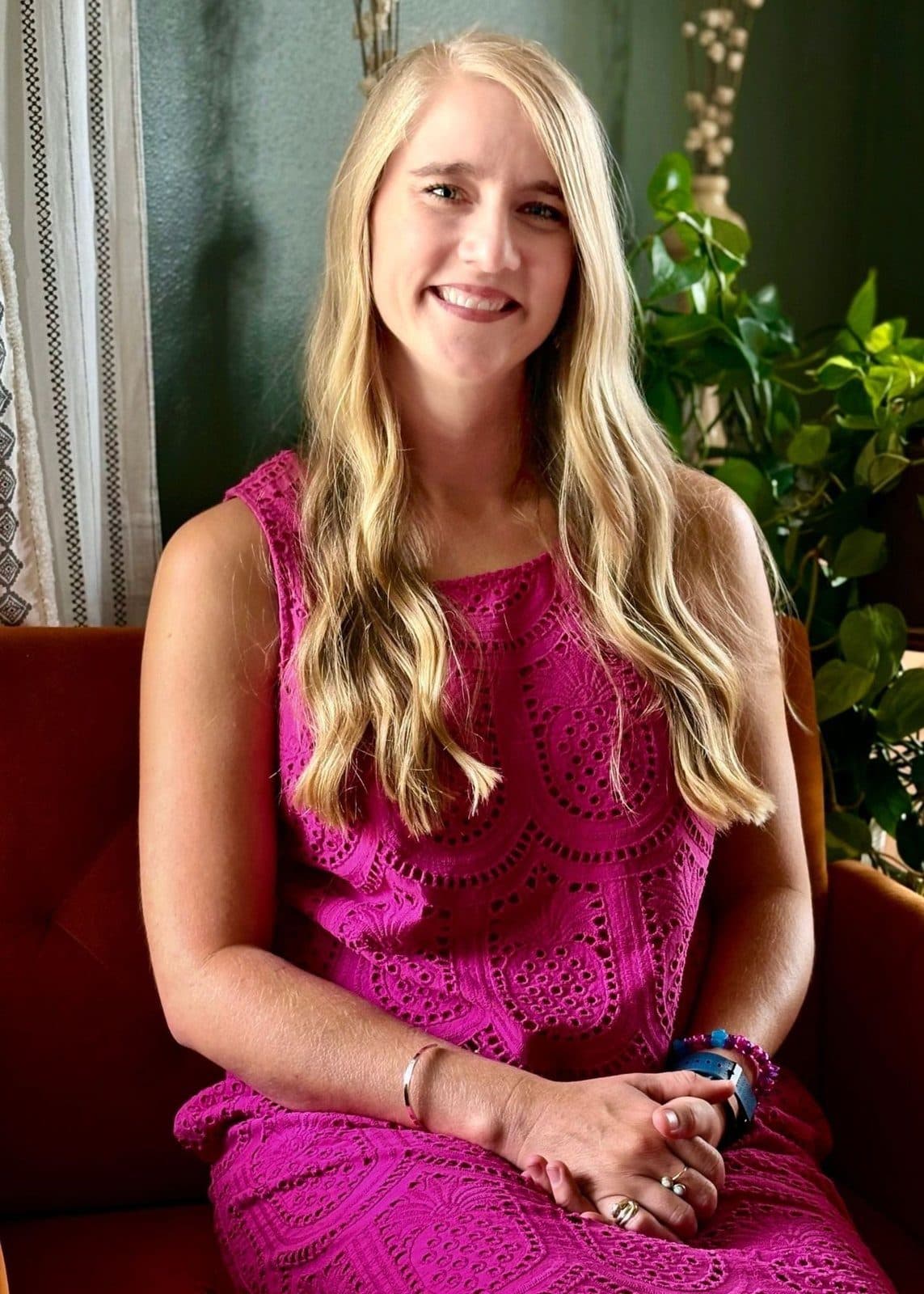
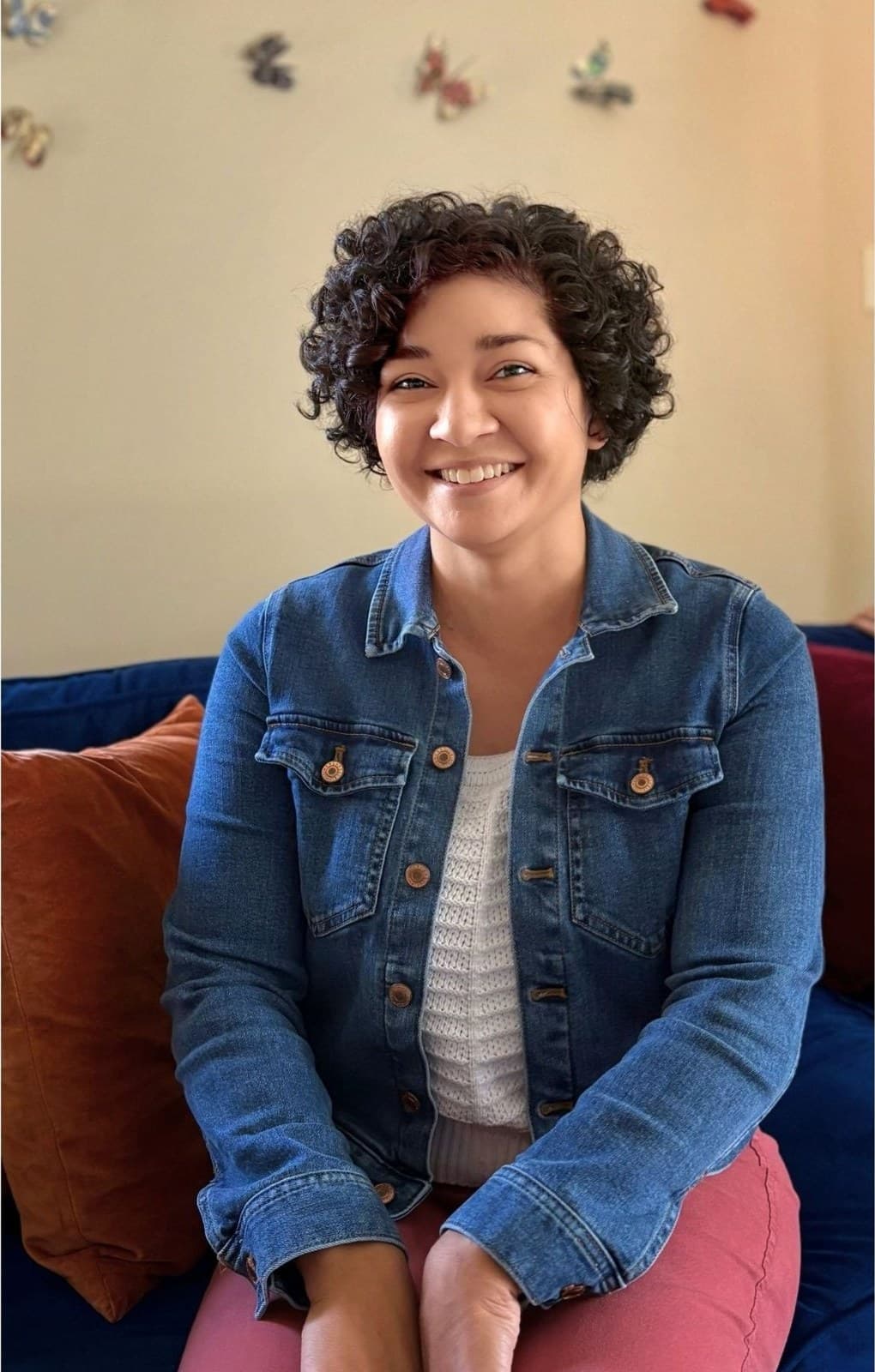
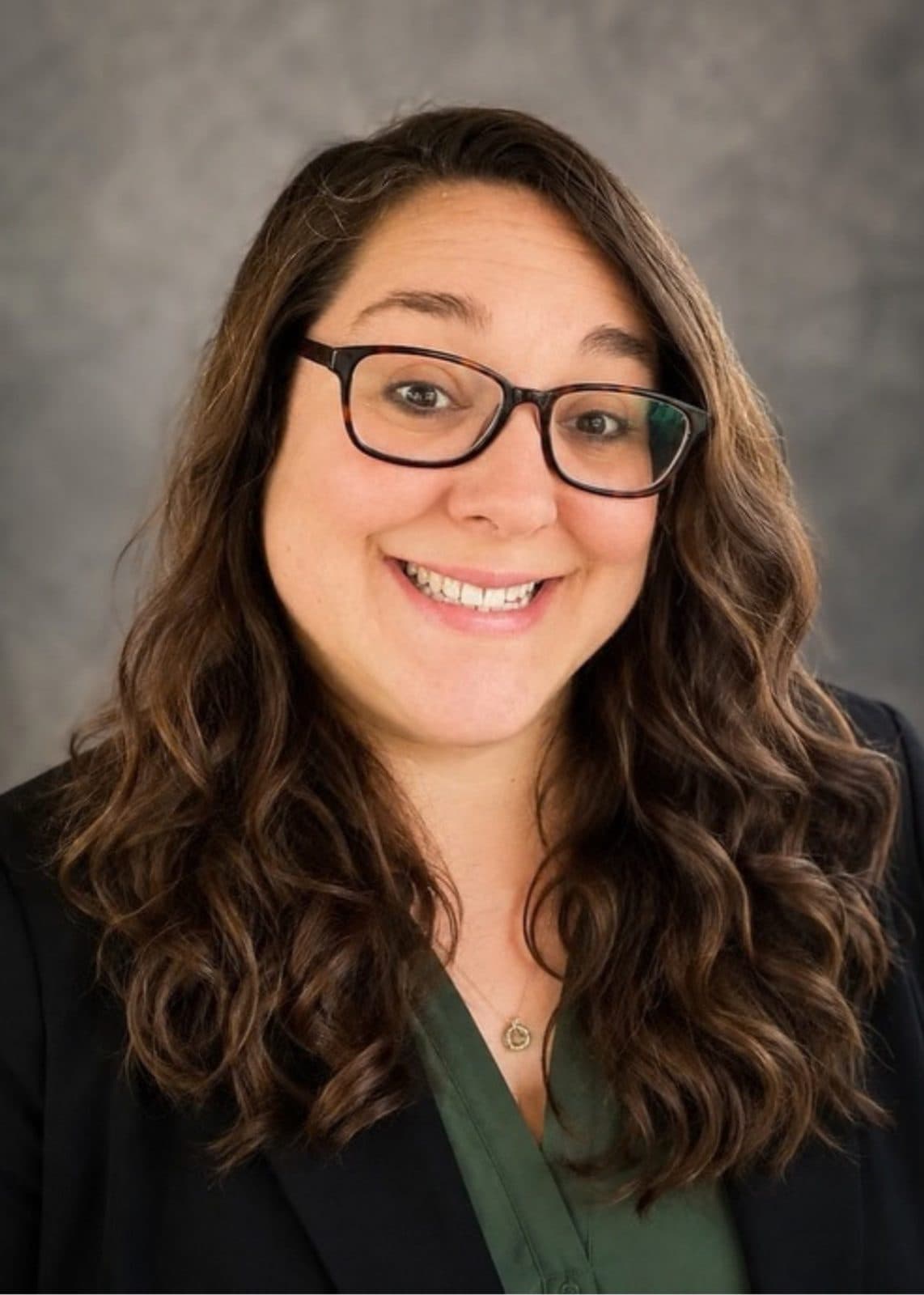
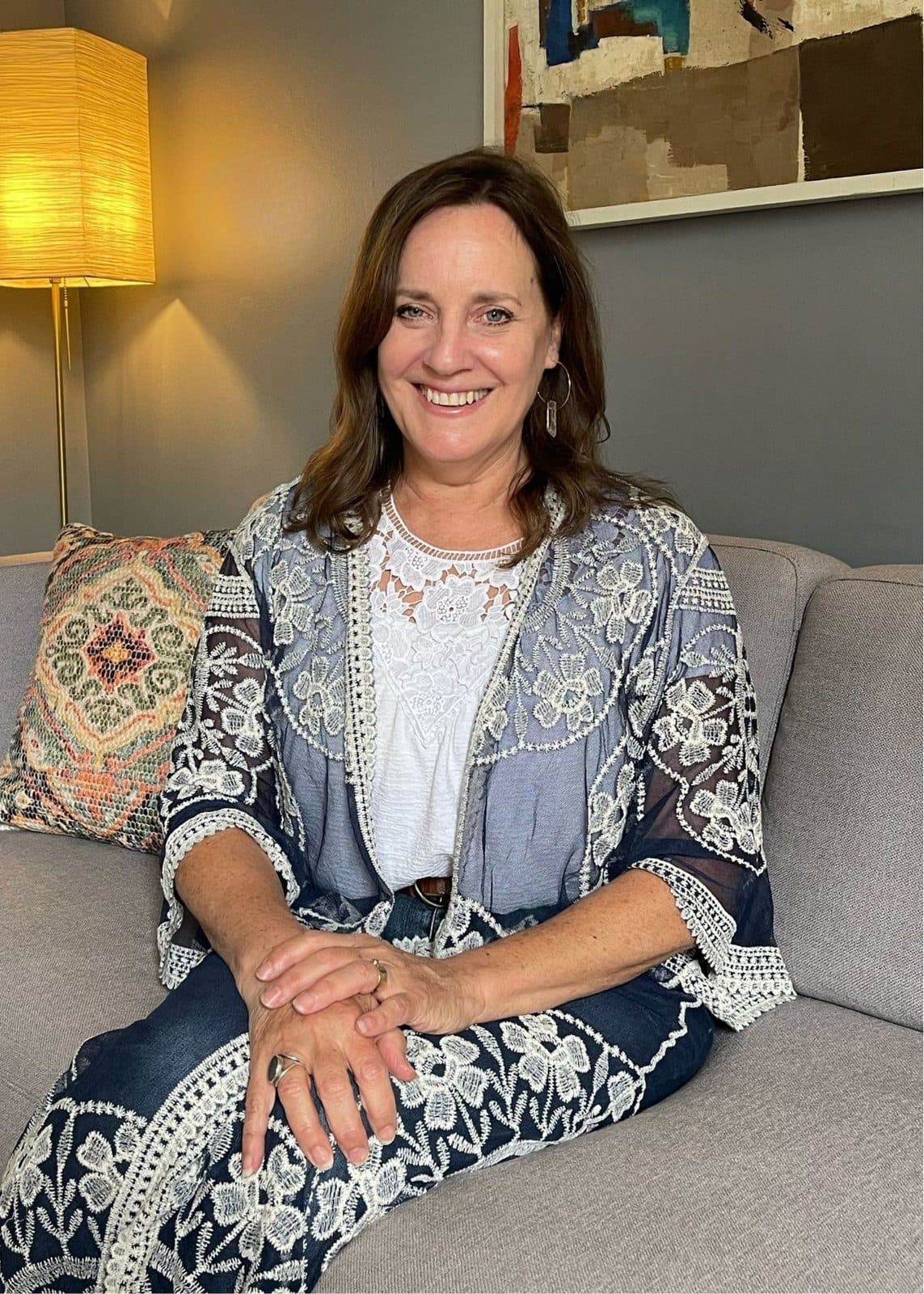
people you might work with
lgbtqia+ affirming therapy near you
four offices, plus telehealth
Affirming therapy is available at all four of our Kansas offices: our headquarters at 2619 W 6th St, Suites A & C, in west Lawrence; 616 Kentucky St, a quiet house a few blocks from downtown Lawrence; 10100 W 87th St, Suite 204, in Overland Park’s Mark One Building; and 5020 SW 28th St, Suite 204, in Topeka. For anyone who prefers the privacy of home, secure telehealth is available in Kansas, Missouri, Washington and Florida, depending on clinician licensure.
Mon–Fri · 8 AM–9 PM · (785) 615-1995
questions
lgbtqia+ affirming therapy, answered
Still wondering about something? Call (785) 615-1995 or send us a note.
Is LGBTQIA+ affirming therapy covered by insurance?
Affirming care is our standard, not an add-on, so it’s billed like any other therapy. We’re in network with many plans, including all BCBS networks, Aetna Commercial and Aetna Medicare plans, Cigna, UMR, Sunflower Community Plan and Healthy Blue, and we file for you. Self-pay rates start at $125 for a 30-minute session, and a 40% prompt-pay discount applies when payment is made the day of your appointment.
Do you work with polyamorous and ethically non-monogamous relationships?
Yes. We support people in open relationships, polyamory and other consensual structures. You won’t be asked to justify your relationship or to treat non-monogamy as the cause of your concerns. Therapy can focus on communication, jealousy, agreements, new relationship energy or whatever you’re actually coming in for.
Is it okay to talk about kink in therapy?
It is. Consensual kink is a healthy expression of sexuality for many people, and our clinicians are kink-affirming. You can bring it up whenever it’s relevant, whether that’s about a relationship, shame you’ve internalized, or simply wanting a therapist who won’t flinch. You’re never required to disclose more than you want to.
I’m a parent struggling with my child’s coming out. Can you help me?
Yes, and reaching out is a loving step. Many parents feel a tangle of love, fear and grief all at once. We offer space to process those feelings honestly, learn about your child’s experience and figure out how to support them well. When everyone is ready, family counseling can help repair strained communication.
How is LGBTQIA+ affirming therapy different from just finding a nice therapist?
Kindness matters, but it isn’t the same as competence. Affirming therapists understand gender and sexual diversity, minority stress, relationship diversity and the ways stigma shapes mental health. That knowledge means you spend sessions healing rather than explaining, and you’re less likely to have your identity misread as a symptom.

take the first step
you don't have to carry it alone.
Tell us a little about what's going on and we'll match you with a clinician who fits, in person or by telehealth. Most insurance accepted.