for healing professionals
Ketamine Training for Therapists at Mind & Body Healing Collective: An Experiential Certification
You can read every paper on ketamine-assisted psychotherapy and still not know what it feels like from the inside. This program invites you, as a clinician or healer, to meet the medicine the way your clients will, and to do some of your own healing along the way.
- ◦ In person in Lawrence
- ◦ Telehealth across Kansas
- ◦ Medical screening included


This program may be calling to you if…
- 01
Clients keep asking you about ketamine, and you want to answer from something deeper than a handout.
- 02
You’re considering adding ketamine-assisted psychotherapy or integration support to your own work.
- 03
Your nervous system has been running on fumes after years of holding other people’s pain.
- 04
You wonder how a group dose feels different from a solo one, and what that means for the people you serve.
- 05
You want to practice setting an intention, not just teach it.
- 06
You’d rather learn alongside other clinicians than piece this together alone.
- 07
You’re looking for a legal, medically supervised way to explore ketamine in Kansas.
The Ketamine Experiential Healing Certification Program at Mind & Body Healing Collective is ketamine training for therapists in Kansas built around direct, supported experience. Rather than a lecture series, it is a medically supervised sequence of group, partner and solo ketamine dosing sessions, with preparation meetings beforehand and weekly integration discussions on Zoom. You finish with a certificate of completion and with a felt understanding of what it means to enter a non-ordinary state and return to make meaning of it.
We designed the program for people in the healing professions: therapists, social workers, counselors, coaches, guides and others who accompany people through hard material and want to understand ketamine dosing modalities from the inside while sharing the process with peers. It grew out of our SomaVerse ketamine troche work in Lawrence and Overland Park, where we have seen how much a practitioner’s own experience shapes the steadiness they bring to a client’s session.
It is also a healing container in its own right. Helping professionals carry secondary trauma, burnout and their own histories, often with nowhere to set them down. Here, you are a participant first and a clinician second. Learning while healing is part of the design, not an afterthought, and many people find the personal work is what stays with them most.
What the certification program includes
As currently structured, the program runs over about eight weeks and includes six dosing sessions: two in a group, one with a partner and three on your own. Each format teaches something different. Group sessions show you how a shared field can hold and amplify an experience. Partner dosing explores the tenderness of witnessing and being witnessed. Solo sessions let you meet your own material without the influence of anyone else in the room.
Around the dosing, preparation meetings cover safety, how to set intentions and how to create an ideal environment for a session: music, comfort, lighting and the small details that quietly shape an experience. Weekly Zoom integration discussions give you space to process with fellow professionals and to reflect on how what you lived might translate into clinical work. On completion, you receive a certificate from Mind & Body Healing Collective.
- Medical intake and assessment before you begin
- Medical follow-up and a check-in after every dose
- Two group dosing sessions, one partner session and three solo sessions
- Preparation meetings on safety, intention-setting and session design
- Weekly integration discussions on Zoom
- Certificate upon completion, $999.99 total
Can therapists in Kansas get ketamine training?
Yes, though it helps to be clear about what kind of training you’re looking for. Didactic courses teach pharmacology, protocols and ethics. What they rarely provide is the lived experience of the medicine, and many practitioners find that is the missing piece. Our program focuses on that experiential layer, legally and under medical supervision, right here in Kansas. That lived understanding shapes how you speak with clients, how you think about screening, and how you work alongside the rest of a treatment team.
It’s important to be honest about scope. This is an experiential healing certification, not a license to prescribe or administer ketamine. Prescribing remains the role of qualified medical providers, and anyone offering ketamine-assisted psychotherapy should do so within their own licensure and alongside appropriate medical oversight. Many participants pair this experience with further didactic study; our program gives that learning a lived foundation. Think of it as the practicum your coursework can’t provide.
Medical safety applies to clinicians too
Being a professional doesn’t exempt anyone from screening. Every participant completes a medical intake and assessment before the first dose, and a medical provider checks in after every dosing session. Ketamine has strict contraindications, for example uncontrolled high blood pressure or psychosis, and some medications or health conditions may mean it isn’t right for you at this time. If that’s the case, we’ll tell you directly and kindly.
We also attend to psychological readiness. Non-ordinary states can surface grief, old trauma or unexpected tenderness, even in people who do this work for a living. Preparation meetings and weekly integration are where that material is held, and additional one-on-one integration sessions or ketamine-assisted psychotherapy are available if you find you need more support. Integration is also where you notice how your own history shows up in the room, which is invaluable self-knowledge for anyone who sits with clients in altered states.
How experiencing ketamine changes the way you hold space
Practitioners often tell us the most valuable thing they bring home isn’t a technique but a quality of presence. Having felt the softened edges of a ketamine state yourself, you’re less likely to rush a client back to ordinary awareness or to read silence as something going wrong. You know how disorienting the return can feel, and how precious the first hours afterward are for integration. You understand, in your own body, why those hours deserve protecting.
You’ll also develop a more nuanced sense of set and setting. Our approach is somatic and nervous-system informed: we pay as much attention to breath, sensation and posture as to story. Integration practices you try yourself, such as mapping sensations on a body outline, writing a dialogue with an inner part or taking a slow walk with a single question in mind, become tools you can offer others with authenticity. Many professionals also leave with a clearer sense of whether this work is truly theirs to offer, which is its own kind of answer.
- A felt sense of how ketamine states unfold and resolve
- Language for preparing clients without over-promising
- Somatic integration practices you’ve tested on yourself
- More comfort with silence, tears and non-linear insight
- Connection with other professionals exploring this work
A Kansas program with statewide reach
The program is anchored in our SomaVerse ketamine work, based at our Lawrence headquarters on W 6th St and our Overland Park office on W 87th St, with weekend retreats at 616 Kentucky St in Lawrence. Our clinicians are part of a thoughtful, curious community around consciousness and mental health, and our offices in Lawrence, Overland Park and Topeka sit within easy reach of the Kansas City metro and the towns in between, including Eudora, De Soto, Tonganoxie and Baldwin City.
Because integration meets weekly on Zoom, you don’t need to relocate or step away from your caseload for weeks; you come in for dosing sessions and do the reflective work from wherever you practice in Kansas. Cohorts can include people from different disciplines, which enriches the conversation: a school social worker, a chaplain and a private-practice therapist would each notice something different in the same shared session.
what to expect
how we'll begin, together
- 1
Express your interest
Email SomaVerse@mbhealingcollective.org or text “SomaVerse” to 785-615-1995 and mention you’re a professional interested in the experiential program. We’ll share upcoming cohort details.
- 2
Complete your medical intake
A medical provider reviews your health history, medications and contraindications to confirm ketamine is safe for you before you’re enrolled.
- 3
Prepare with your cohort
Preparation meetings cover safety, intention-setting and session design so you arrive at your first group dose grounded and informed.
- 4
Dose, integrate and complete
Move through group, partner and solo sessions with a medical check-in after each, process weekly on Zoom, and receive your certificate at the end.
your somaverse team
people you might work with
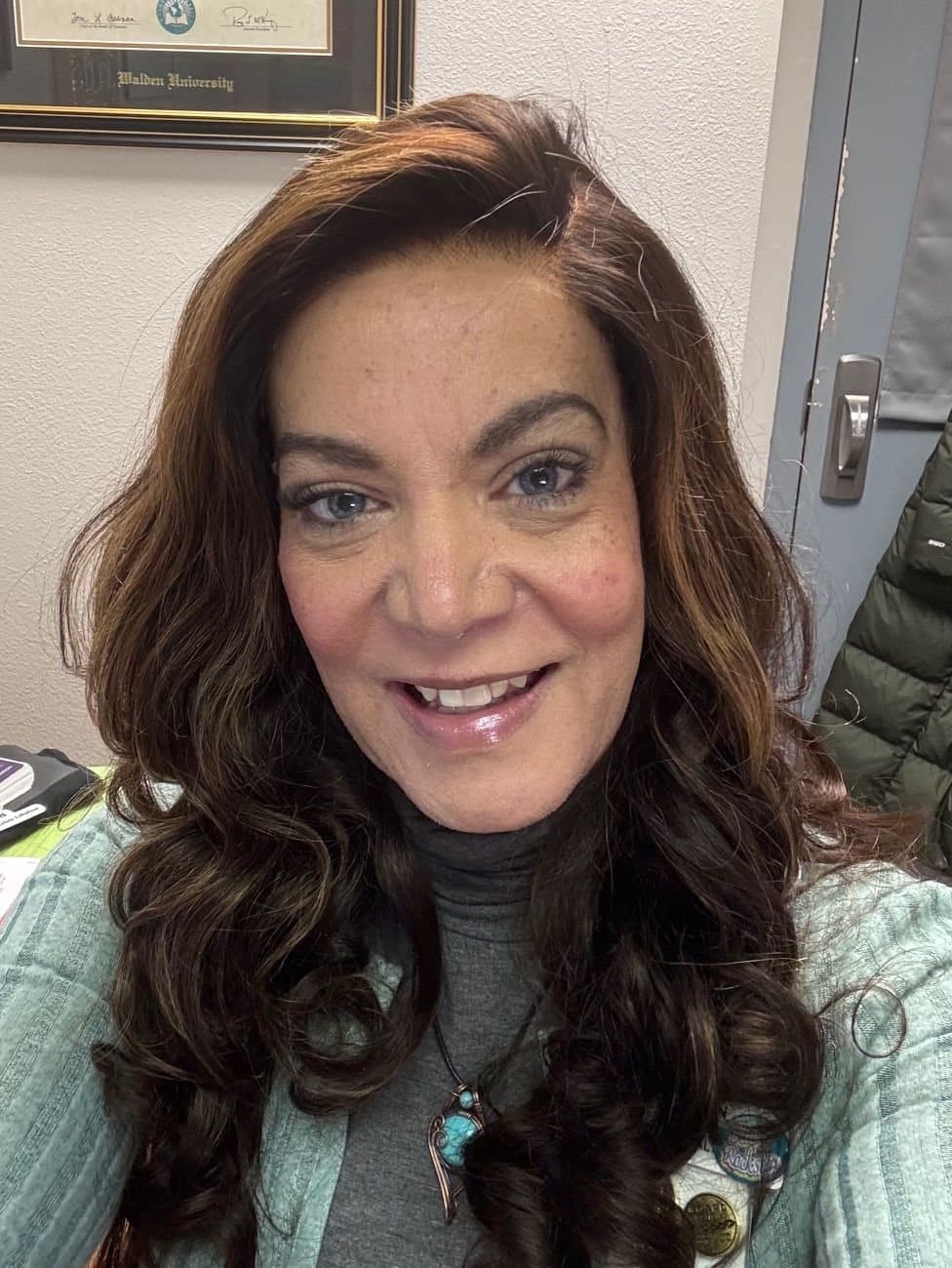
ketamine experiential program for professionals near you
lawrence, plus telehealth
Dosing sessions for the experiential program are held in Lawrence, where our group space is: our headquarters at 2619 W 6th St, Suites A & C, and our house at 616 Kentucky St. Weekly integration meets on Zoom, so between dosing sessions you can take part by telehealth from anywhere in Kansas.
Mon–Fri · 8 AM–9 PM · (785) 615-1995
questions
ketamine experiential program for professionals, answered
Still wondering about something? Call (785) 615-1995 or send us a note.
How much does the ketamine training for therapists cost?
The Ketamine Experiential Healing Certification Program is $999.99. That covers your medical intake and follow-up, a medical check-in after every dose, the group, partner and solo dosing sessions, preparation meetings and weekly Zoom integration. Because it’s an experiential professional program rather than treatment for a diagnosed condition, it generally isn’t billed to health insurance. Reach out for current dates and payment details.
Who can enroll in the experiential program?
It’s designed for people who work in healing professions: therapists, social workers, counselors, coaches, guides and others who support people through emotional or spiritual material. You don’t need prior experience with ketamine. Everyone completes medical screening and must meet safety criteria before taking part, regardless of their professional background.
Will this certificate let me offer ketamine therapy in my practice?
The certificate recognizes that you completed an experiential healing program. It doesn’t grant prescribing authority or replace your licensing board’s requirements. Many therapists use it alongside didactic ketamine-assisted psychotherapy training to deepen their preparation and integration skills, always within their scope of practice and in partnership with a medical prescriber.
Do I have to share personal material with other professionals?
Only what feels right to you. Group and partner sessions do mean being in the room with colleagues, and weekly Zoom integration is a shared space, but no one is required to disclose details. Many participants find being witnessed by peers healing in itself. If something tender surfaces that you’d rather explore privately, one-on-one integration sessions are available.
Is ketamine training for therapists in Kansas legal?
Yes. Ketamine is a legally prescribed medication, and in this program it is prescribed only after a medical intake, with a medical provider checking in after every dose. Participants never obtain or administer ketamine outside that framework. Plan transportation for dosing days, since you shouldn’t drive after a session.

take the first step
you don't have to carry it alone.
Tell us a little about what's going on and we'll match you with a clinician who fits, in person or by telehealth. Most insurance accepted.