
whole-person depression care
Depression Therapy at Mind & Body Healing Collective
Depression can feel like moving through wet cement, or like watching your own life through glass. If the color has drained out of things, you deserve care that reaches more than the symptoms.
- ◦ In person in Lawrence, Overland Park or Topeka
- ◦ Telehealth across Kansas
- ◦ Most insurance accepted

Depression doesn’t always look like sadness
- 01
The alarm goes off and the whole day feels like a mountain before your feet touch the floor.
- 02
Music, food, and hobbies you once loved feel flat, as if someone turned the volume down on life.
- 03
You go quiet in group texts and cancel plans, then feel guilty for disappearing.
- 04
Showering, answering email, or making a phone call takes enormous energy.
- 05
You sleep ten hours and wake exhausted, or lie awake at 3 a.m. with a heavy chest.
- 06
You feel numb more than sad, and wonder whether you can still feel happy.
- 07
You have tried medication or therapy before and quietly concluded that nothing works for you.
Depression therapy at Mind & Body Healing Collective, in Lawrence, Overland Park, Topeka, or by telehealth, begins with the understanding that depression is not laziness, weakness, or a lack of gratitude. It is a whole-body state that affects energy, sleep, appetite, concentration, and the capacity to feel pleasure or hope. For some people it arrives as crushing sadness. For many others it shows up as flatness, a quiet absence where motivation and meaning used to be.
Our founder has long described mental health struggles as messages of misalignment rather than proof that something is wrong with you. Depression can be a signal that a nervous system has been in survival mode too long, that grief has gone unspoken, or that a life has drifted far from what matters. Listening to that message, instead of only fighting it, is often where change begins.
And when depression hasn’t budged despite years of effort, we offer paths beyond weekly talk therapy, including psychiatry and medication management and a medically supervised ketamine-assisted program, so you don’t have to keep trying the same thing and hoping for a different result. Whatever combination you choose, your providers talk to each other, and your therapist sees you as a whole person rather than a list of symptoms.
Understanding depression as heaviness, numbness, and shutdown
From a nervous system perspective, depression often reflects a shutdown response. When stress, loss, or overwhelm goes on long enough and no escape seems possible, the body conserves energy by dimming everything down: motivation, appetite, connection, even the ability to feel. It is a protective strategy, not a choice, and it can persist long after the original pressures have eased. Seen this way, depression is not a verdict on your worth but a body asking for a different kind of care.
Depression also has many contributors: genetics, hormones, chronic illness, unresolved trauma, isolation, grief, seasonal changes, and major life transitions. Some people live with a long, low-grade depression that feels like their baseline. Others move through distinct episodes. Understanding your version of depression helps us choose the right mix of support rather than applying a generic formula. It also helps you stop blaming yourself for something with many causes outside your control.
- Major depressive episodes
- Persistent, low-grade depression that has lasted for years
- Postpartum and pregnancy-related depression
- Depression tied to grief, trauma, or chronic illness
- Seasonal dips in mood and energy
- Depression alongside anxiety, ADHD, or bipolar disorder
Our approach to depression therapy
We start where you are, which sometimes means very small. If getting out of bed is the goal this week, that is the goal. Early work often focuses on gentle activation, rhythm, and self-compassion: reintroducing small moments of movement, sunlight, connection, or pleasure, and noticing without judgment how your body responds to each one. Momentum is built from tiny, repeatable wins, and we celebrate them, because in depression they are not tiny at all.
As energy returns, therapy can go deeper. CBT helps identify the hopeless thought patterns depression reinforces. Mindfulness-based therapy helps interrupt rumination. Somatic work, offered in Lawrence and Overland Park, helps a shut-down system gently come back online. For depression rooted in trauma or old grief, EMDR (Lawrence and Overland Park), Brainspotting, or Internal Family Systems can address what lies underneath, while emotion-focused and existential work can help you reconnect with meaning, values, and direction. Nothing is forced; each layer is added when you have the capacity for it.
When depression hasn’t responded to treatment
If you have tried several medications and years of therapy without real relief, you are not a hopeless case. You may simply need a different approach. Mind & Body Healing Collective offers two additional pathways that work alongside therapy rather than replacing it. The first is psychiatry and medication management: our psychiatric nurse practitioner, who sees clients in Lawrence, in Overland Park, and by telehealth, provides comprehensive evaluations, medication reviews and second opinions, new prescriptions when appropriate, and support for carefully tapering medications, always in collaboration with your therapist.
The second is SomaVerse, our ketamine-assisted psychotherapy program. It uses ketamine troches, compounded tablets dissolved in the cheek or under the tongue, within a structured process that includes a medical provider, a ketamine-trained therapist, a wellness guide, and integration groups. Sessions take place at any of our offices, and at home once you’ve completed the main program and are medically approved. Many participants value the community aspect as much as the medicine itself, because depression is so often isolating.
Ketamine is not right for everyone. Every SomaVerse participant completes a medical intake, and strict contraindications apply, including uncontrolled high blood pressure and psychosis. Integration is essential, because the insights of a session matter most when they are carried back into daily life. One past participant shared, “within a few weeks I felt not only my depression lifting but I felt hope.” Individual experiences vary, and your team will help you decide whether this path fits.
Is it depression or just a rough patch?
Everyone has low days. Depression tends to last most of the day, most days, for two weeks or longer, and it affects your ability to function: work slips, relationships strain, basic self-care falls away. Changes in sleep, appetite, and concentration are common, as are feelings of worthlessness or guilt that seem out of proportion to what is happening. Some people notice irritability, restlessness, or unexplained aches and pains far more than sadness.
You don’t need a formal diagnosis to benefit from depression counseling. If you have been waiting to feel bad enough to deserve help, consider this your sign that you already do. And if you are having thoughts of death or suicide, please call or text 988 now to reach the Suicide & Crisis Lifeline, which answers any hour of the day. Reaching out while things are hard, rather than waiting, often makes recovery smoother.
Finding your way back to connection in your community
Depression thrives in isolation, so we pay attention to the whole context of your life, including the community around you. For some clients, reconnection means a walk at Clinton Lake or Shawnee Mission Park, a return to live music in downtown Lawrence or the NOTO Arts District in Topeka, or joining one of our therapy groups or workshops. Small, real-world anchors like these can reinforce what happens in session and remind you that you belong somewhere. For many people, hope returns through connection before it returns through thought.
We see teens, college students, adults, and older adults, including many in later life coping with health changes, loss, or loneliness; geriatric and later-life care is one of our focus areas. Therapy takes place at our offices in Lawrence, Overland Park, and Topeka, SomaVerse ketamine sessions happen at any of our offices (or at home once you’ve completed the main program and are medically approved), and telehealth is there for the days when leaving home feels impossible. Weekday hours run into the evening, which helps when mornings are the hardest part.
what to expect
how we'll begin, together
- 1
Reach out, even briefly
A short call, text, or email is enough. You don’t need to explain everything; tell us you’re looking for help with depression and we’ll take it from there.
- 2
Intake and assessment
In your first 60-minute session, your therapist learns about your mood, energy, sleep, history, and what you’ve already tried, and checks in about safety with care.
- 3
A layered plan
Your plan may pair weekly therapy with lifestyle anchors and, when it would help, a psychiatric evaluation or a SomaVerse consultation for treatment-resistant depression.
- 4
Rebuilding momentum
As the heaviness lifts, sessions shift toward meaning, relationships, and the rhythms that help you stay well, so progress becomes something you can sustain.
clinicians across the collective
people you might work with

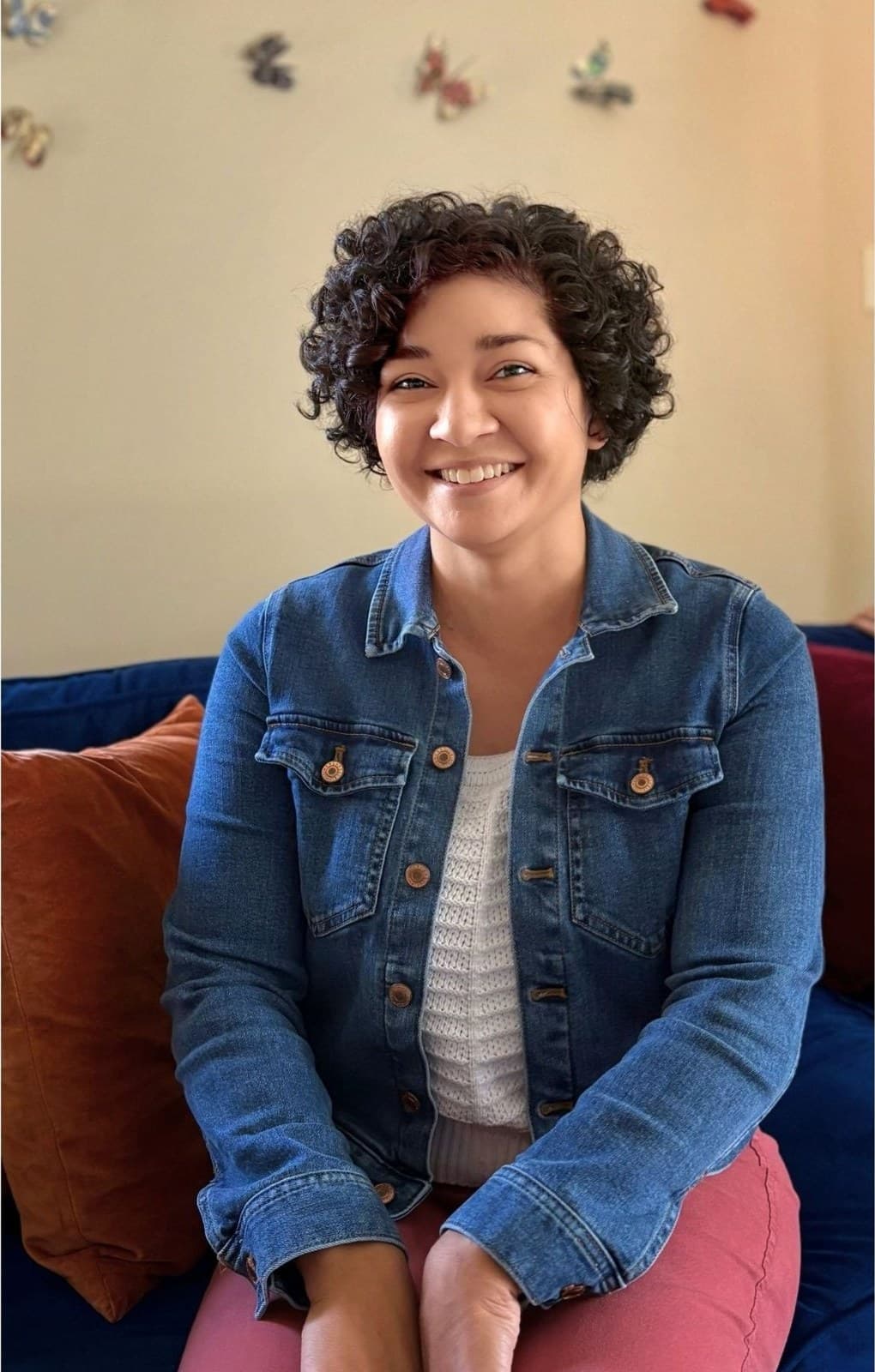

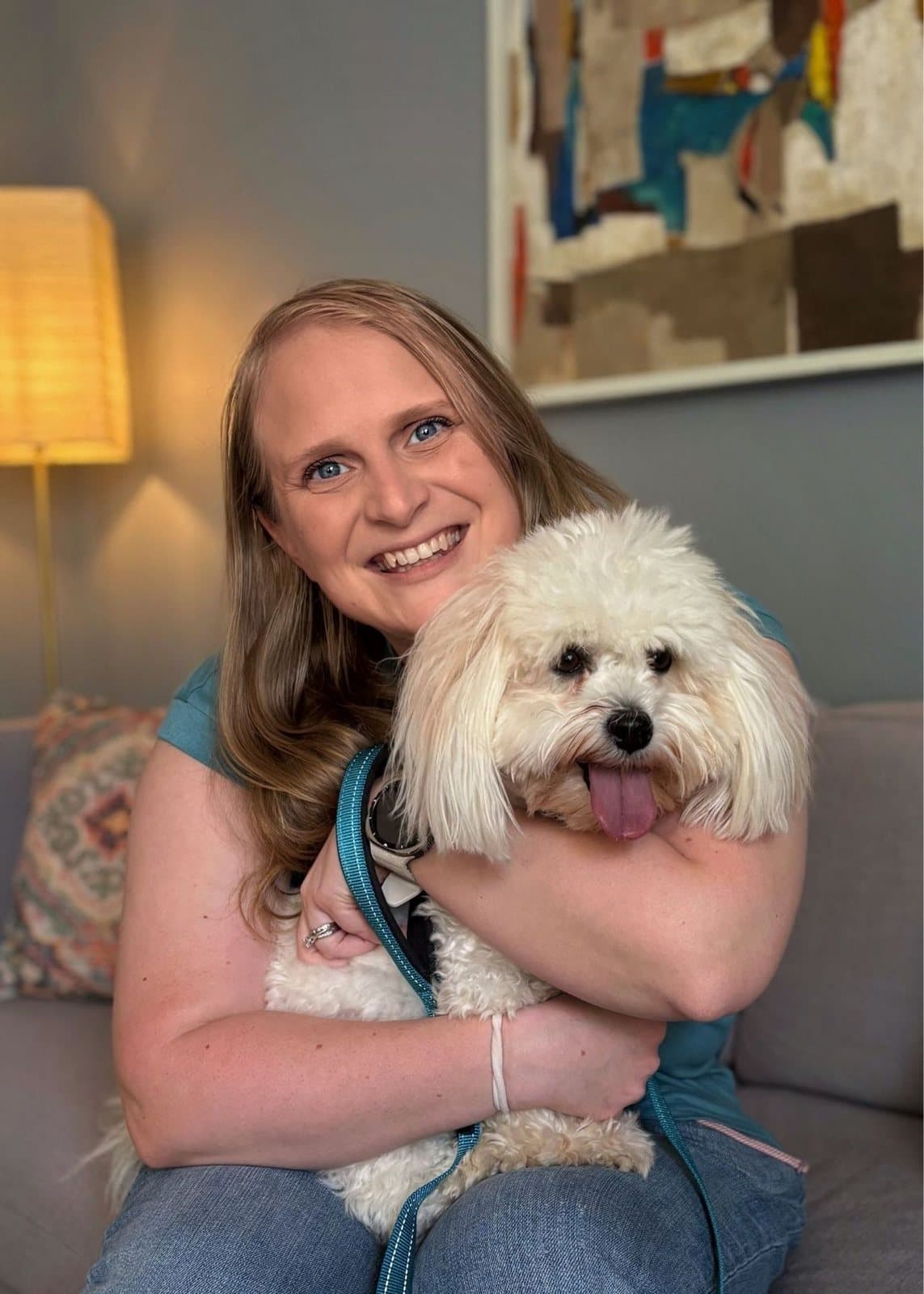
depression therapy near you
four offices, plus telehealth
Depression therapy is offered at our headquarters, 2619 W 6th St, Suites A & C, in west Lawrence; at 616 Kentucky St, a quiet house a few blocks from downtown Lawrence that is also home to SomaVerse ketamine sessions; at 10100 W 87th St, Suite 204, in Overland Park; and at 5020 SW 28th St, Suite 204, in Topeka. Telehealth appointments are available across Kansas, Missouri, Washington, and Florida, depending on clinician licensure.
Mon–Fri · 8 AM–9 PM · (785) 615-1995
questions
depression therapy, answered
Still wondering about something? Call (785) 615-1995 or send us a note.
Does insurance cover depression therapy?
Usually. We file claims with many insurers, including Blue Cross Blue Shield of Kansas and Kansas City, Aetna, Cigna, United, UMR, Ambetter, Medicare, Humana Medicare, and KanCare. Your copay or deductible is due at the time of service. Without insurance, the therapy intake is $275 and a 60-minute session is $250, reduced by 40% when paid on the day of your visit.
How much does ketamine therapy for depression cost?
The ketamine itself is self-pay. In a custom program, eligible therapy and medical visits can be billed to insurance, and doses are $90 each or $480 for six. The Solo Ketamine package, which includes medical visits, a therapy assessment, eight dosing sessions, three guide sessions, and three integration groups, is $1,505, with payment plans available.
Should I try therapy, medication, or both?
Many people with moderate to severe depression benefit from both, but it is a personal decision. Our therapists and psychiatric provider collaborate, so you can start with therapy and add a psychiatric evaluation later, or begin with both at once. If you already take medication and aren’t sure it is helping, a medication review or second opinion is available.
What if I’ve tried therapy before and it didn’t help?
That experience is worth exploring in your first session. Sometimes the fit with a therapist wasn’t right; sometimes the approach was too cognitive for a body that had shut down. We offer a wide range of modalities, somatic and experiential options, and treatment-resistant pathways, so we can try something genuinely different rather than repeating what didn’t work.
Can you help a teenager or an older parent with depression?
Yes. We work with clients from age 4 through later life. Teens often do well with a therapist who blends practical skills with real respect for their autonomy. For older adults, later-life care is one of our focus areas, and we are in network with Medicare, Humana Medicare, and Aetna Medicare plans.

take the first step
you don't have to carry it alone.
Tell us a little about what's going on and we'll match you with a clinician who fits, in person or by telehealth. Most insurance accepted.