
body-based trauma healing
Somatic Therapy at Mind & Body Healing Collective
Your body has been bracing and protecting you for a long time. Somatic therapy helps it learn, slowly and safely, that it’s finally allowed to soften.
- ◦ In person in Lawrence or Overland Park
- ◦ Telehealth across Kansas
- ◦ Most insurance accepted

approaches we use
You might recognize yourself here
- 01
You know you’re safe now, but your body hasn’t gotten the message.
- 02
Your shoulders seem to live somewhere up near your ears.
- 03
You feel disconnected from your body, as if you’re watching life from one step away.
- 04
Stress shows up as headaches, stomach trouble or exhaustion no test has fully explained.
- 05
A slammed door or a raised voice jolts your whole system for the rest of the afternoon.
- 06
You’ve talked through your trauma many times and still feel it sitting in your chest.
- 07
Rest feels uncomfortable, even unsafe, so you keep yourself busy.
Somatic therapy works with something many people feel but can’t quite explain: the body remembers. Tight shoulders, a clenched jaw, a stomach that knots before hard conversations, or a numbness that makes you feel far away from your own life can all reflect a nervous system still organized around old threats. Talking about what happened matters, but for many people, talking alone isn’t enough to help the body let go.
At Mind & Body Healing Collective, body-based healing is part of our name and our foundation. Our somatic therapists in Lawrence and Overland Park weave awareness of sensation, breath, movement and posture into therapy, helping you build a felt sense of safety from the inside out. The goal isn’t to force a release or relive the past. It’s to help your nervous system discover, in real time, that the present is different from what came before.
Why Trauma Lives in the Body
When we face danger, the nervous system responds automatically with fight, flight, freeze or collapse, faster than conscious thought. Those responses are protective and wise. But when an experience is overwhelming, prolonged or happens early in life, the body can stay stuck in protective mode long after the threat has passed. The result might be chronic tension, hypervigilance, shutdown or the sense of living permanently on high alert.
Somatic therapy approaches these patterns with respect rather than treating them as problems to eliminate. Your body adapted for good reasons. In therapy, we help it complete responses that were interrupted and gradually widen your window of tolerance: the range in which you can feel emotion and sensation without tipping into overwhelm on one side or numbness on the other.
What Does a Somatic Therapist Actually Do?
A somatic session often looks like ordinary talk therapy with a different quality of attention. Your therapist may pause to ask what you notice in your body as you describe something, or invite you to follow a sensation as it shifts. Rather than pushing through, the work moves in small doses, touching something difficult and then returning to steadiness. Depending on your needs and your therapist’s training, sessions might include:
You remain in charge of every exercise and can pause, adjust or decline anything at any time. Many clients are surprised by how subtle the work is. Change often arrives as a deeper breath, warmth returning to the hands, or a sudden sense of being more here than you were a moment ago.
- Tracking sensations like warmth, tightness, pressure or tingling
- Grounding through your feet, your seat or the room around you
- Breath practices that calm or gently energize the system
- Slow, intentional movement to complete protective responses
- Resourcing: recalling people, places or memories that feel supportive
- Pendulation, moving attention between distress and ease
Somatic Training and Experience on Our Team
Our founder, Anissa Pfannenstiel, LSCSW, earned a Psychedelic Somatic Practitioner certificate through the EMBODY Lab in 2024 and has long woven somatic healing, movement, breath and music into her work. While she now focuses mainly on leading the practice and our SomaVerse programs, that body-first perspective shapes the whole collective and the way our clinicians are supported.
Our team includes a clinician who completed a three-year Somatic Experiencing training, a clinician trained in polyvagal-informed therapy, and practitioners with yoga teacher training and nature-based therapy backgrounds. Somatic work also pairs naturally with other approaches: it can prepare the ground for EMDR or Brainspotting, deepen Internal Family Systems work, and play a central role in integration after ketamine-assisted sessions.
Who Somatic Therapy Can Help
Somatic therapy can support people living with trauma and PTSD, anxiety and panic, chronic stress, grief that sits heavy in the chest and the physical toll of long-term hypervigilance. It can be a good fit for people who feel stuck in their heads, as well as for those who find it hard to put feelings into words. We adapt body-based work for children, teens, adults and older adults, with playful approaches for younger clients.
It may also help if you live with chronic pain or illness and want to relate to your body with less fear, though it isn’t a substitute for medical care. Somatic work is not a quick fix, and it asks for patience with yourself. When things feel unbearable or thoughts of self-harm appear, call or text 988 first; ongoing therapy can follow once you’re safe.
Body-Based Healing Close to Home
Somatic sessions take place at our offices in Lawrence and Overland Park and, when it fits, extend into movement and practices you can carry outside the therapy room. Many clients find it helpful to practice grounding in places they already love, like a trail near Clinton Lake, a loop through Shawnee Mission Park or an unhurried walk downtown, so regulation becomes part of ordinary life rather than something that only happens in session.
Somatic work can happen by telehealth as well. Practicing regulation in your own home, surrounded by your own things, can make the skills easier to reach for when you need them most. Your therapist will help you decide which format supports your nervous system best, and you can always combine the two.
what to expect
how we'll begin, together
- 1
Reach out
Call, email or request an appointment and let us know you’re interested in somatic or body-based therapy.
- 2
Intake and orientation
Your first session explores your history, how stress shows up in your body and what helps you feel safe, with a gentle first taste of somatic attention.
- 3
Building resources first
Early sessions focus on grounding, resourcing and learning your nervous system’s signals, so you have stability before approaching harder material.
- 4
Processing and integration
Over time, you work gently with stored stress and trauma, completing old responses and settling into a steadier way of being in your body.
clinicians across the collective
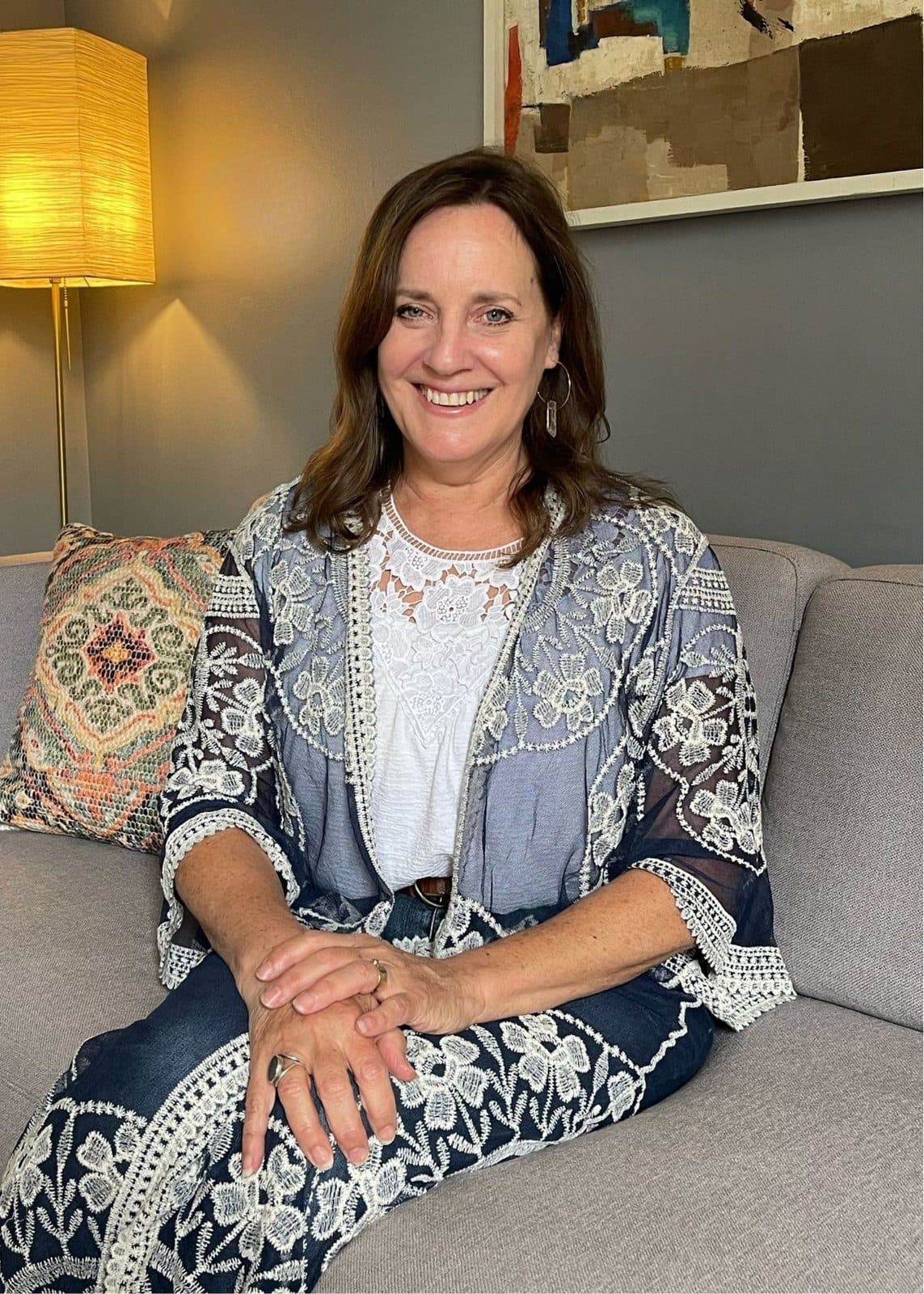
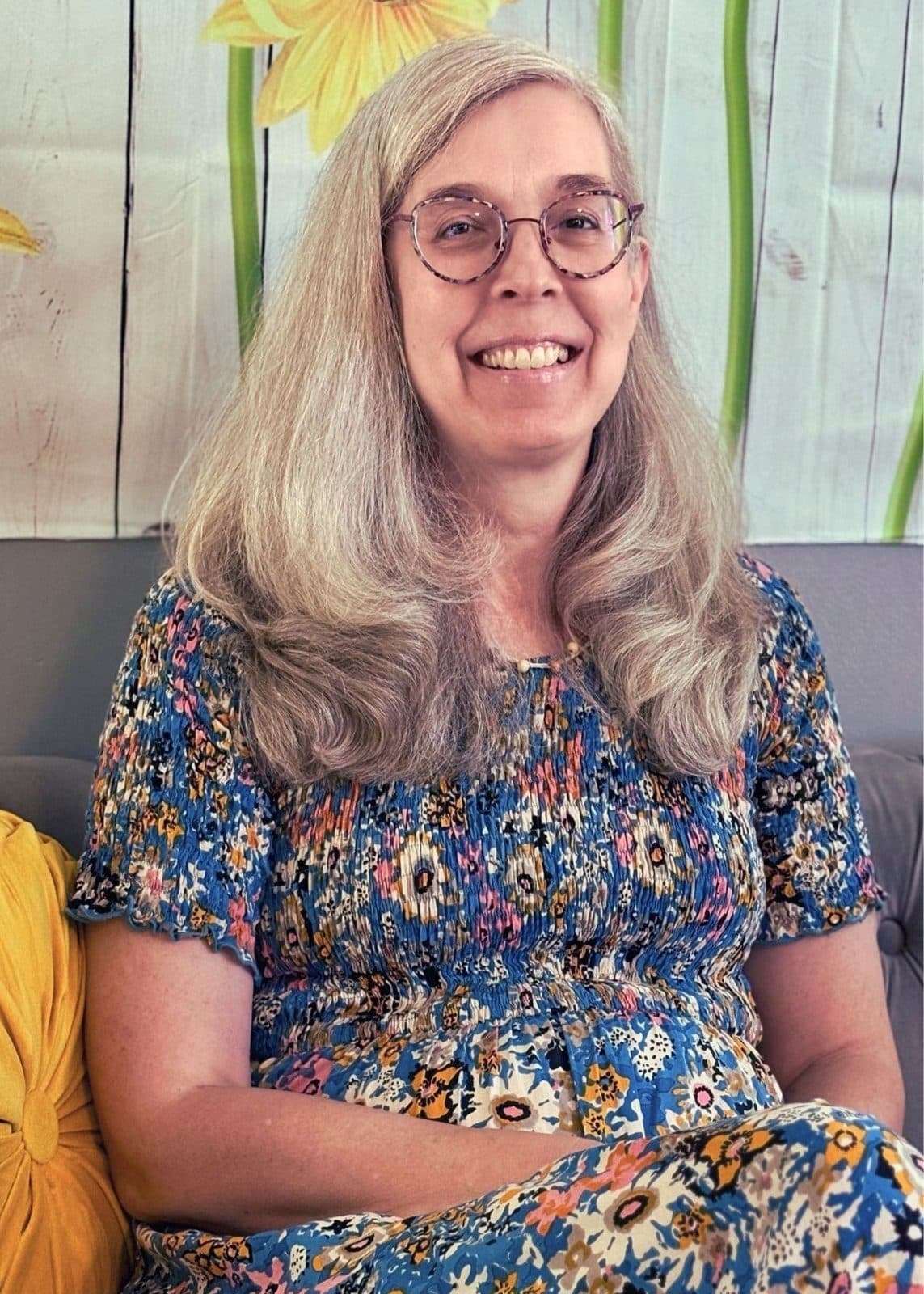
people you might work with


somatic therapy near you
lawrence & overland park, plus telehealth
Somatic therapy is offered at our Lawrence headquarters, 2619 W 6th St, Suites A & C, in west Lawrence, and at our Overland Park office, 10100 W 87th St, Suite 204, in the Mark One Building. SomaVerse weekend retreats and workshops, which include somatic practices, are held at 616 Kentucky St, a quiet house a few blocks from downtown Lawrence. Our Topeka office at 5020 SW 28th St, Suite 204, offers other therapy services, and telehealth is available in Kansas, Missouri, Washington and Florida, depending on clinician licensure.
Mon–Fri · 8 AM–9 PM · (785) 615-1995
questions
somatic therapy, answered
Still wondering about something? Call (785) 615-1995 or send us a note.
Is somatic therapy covered by insurance?
When somatic approaches are part of a psychotherapy session with a licensed clinician, they’re billed like other therapy, so in-network benefits usually apply. Plans we’re in network with include BCBS, Cigna, Aetna, Ambetter, Medicare and KanCare, and we take care of filing. If you’d prefer to pay directly, sessions are $250 for 60 minutes and $175 for 45 minutes, with a 40% prompt-pay discount.
Will I have to relive my trauma?
No. A core principle of somatic therapy is working in small, manageable doses. You don’t need to retell your story in detail. Instead, you notice how your body is responding now and build capacity gradually. If something starts to feel like too much, your therapist will help you slow down and return to steadiness.
What if I can’t feel much in my body?
That’s common, especially for people who learned to disconnect in order to survive. Numbness is itself a protective response, not a failure. Somatic therapy begins wherever you are, sometimes simply with the weight of your feet on the floor or the temperature of your hands. Connection tends to return gradually as your system feels safer.
Is somatic therapy the same as massage or bodywork?
No. Somatic therapy is psychotherapy provided by a licensed mental health clinician. It pays close attention to the body, but it focuses on emotional healing and nervous system regulation through awareness, movement and breath. It can complement massage, yoga or physical therapy nicely, but it doesn’t replace them.
How does somatic therapy relate to ketamine-assisted therapy?
In our SomaVerse program, somatic awareness helps clients prepare for and integrate ketamine sessions, grounding insights in the body so they last. Ketamine requires medical screening and isn’t right for everyone, including people with uncontrolled high blood pressure or a history of psychosis. Many clients benefit from somatic therapy on its own, with no medicine involved.

take the first step
you don't have to carry it alone.
Tell us a little about what's going on and we'll match you with a clinician who fits, in person or by telehealth. Most insurance accepted.