
psychedelic-assisted psychotherapy
Psychedelic Therapy at Mind & Body Healing Collective: Healing in Non-Ordinary States
When talk therapy has taken you as far as it can, and some part of you senses there is more to meet underneath, psychedelic-assisted therapy offers a carefully held way to go deeper and come home to yourself.
- ◦ In person in Lawrence, Overland Park or Topeka
- ◦ Telehealth across Kansas
- ◦ Medical screening included


approaches we use
Does any of this sound familiar?
- 01
You understand your story intellectually, but the feeling underneath it hasn’t moved.
- 02
Your anxiety seems tied to something older than your current life, and you can’t quite reach it.
- 03
You feel numb or far from yourself, as if you’re watching your life through glass.
- 04
Shame or self-doubt speaks louder than any evidence to the contrary.
- 05
You’re in a major transition and sense it’s asking for more than problem-solving.
- 06
Spiritual or existential questions keep surfacing, and you want a clinician who won’t flinch at them.
- 07
Depression has outlasted more than one medication and more than one therapist.
Psychedelic therapy, as we practice it at Mind & Body Healing Collective, is less about a substance and more about a process. It weaves together careful preparation, an intentional set and setting, a medically supervised non-ordinary state, and the slow, grounded work of integration afterward. The medicine creates an opening. The therapy helps you walk through it with care and bring what you find back into your relationships, your body and your daily life.
In Kansas, the legal medicine at the heart of this work is ketamine, prescribed after medical screening and used within our SomaVerse program. Although ketamine is classified as a dissociative, it shares much of the spirit of psychedelic healing: it can soften the grip of the ego and create spaciousness around pain, trauma and entrenched patterns. Our work stays firmly within the law, and we do not provide any substance that isn’t legal here.
People come to this work for relief from depression, anxiety and trauma, and many also find themselves touching questions of meaning, spirit and purpose. Both reasons are welcome here. You don’t need a spiritual framework or a tidy goal to begin; curiosity and a willingness to be honest with yourself are enough to start a conversation about whether this path fits.
What is psychedelic-assisted psychotherapy, really?
Psychedelic-assisted psychotherapy is the guided use of a psychoactive medicine within a therapeutic relationship, to support insight, emotional release and processing that can be hard to reach in ordinary awareness. The emphasis belongs on the word assisted. The medicine doesn’t do the healing for you. It can loosen rigid patterns, lower fear and increase the brain’s capacity for change, so the work you do with your therapist lands more deeply and stays.
Many people describe ketamine states as dreamlike, spacious or mystical. Others experience vivid imagery, strong emotion, or simply rest from a mind that never stops. There is no correct experience. What matters most is how you prepare, how you’re held during the session, and how you make sense of it afterward. That is where the psychotherapy lives, and where our trauma-informed, somatic lens shapes every step. Some sessions are quiet and restful; others are emotional. Both can be meaningful.
Set, setting and preparation: why they shape the experience
“Set” refers to your inner landscape: your mindset, hopes, fears and intention. “Setting” is the environment: the room, the music, the people and the felt sense of safety. Both strongly influence what unfolds in a non-ordinary state, which is why preparation is never a formality in our work. Before any dosing session you’ll meet with your team to explore what you’re ready to look at, practice grounding tools, and choose a setting that supports you, whether an in-office session with our team or a supported session at home.
Intention-setting is central. Rather than an outcome like “fix my anxiety,” we encourage compassionate curiosity: “I want to understand the roots of my anxiety,” or simply “I open to love.” Held lightly, an intention becomes an anchor during intense moments and a compass for integration later.
- Medical screening and informed consent
- Preparation sessions exploring history, readiness and intention
- Breath and grounding practices you can return to mid-session
- Music and environment chosen with care
- A clear safety plan and after-care guidelines
Is psychedelic therapy legal in Kansas?
Psilocybin, MDMA and similar substances are not legal treatments in Kansas, and we don’t offer them. Ketamine is different. It is an FDA-approved anesthetic that qualified providers can legally prescribe off-label for mental health care, and it is the medicine we use for psychedelic-assisted work in SomaVerse. Every prescription follows a medical intake, with monitoring throughout your care. Because it’s legally prescribed, your care can be coordinated openly with your other providers, with informed consent at every step.
Ketamine is also not for everyone. There are strict contraindications, including uncontrolled high blood pressure and psychosis, and your provider will carefully review your medications and health history. If ketamine isn’t a safe fit, therapies that work with deeper states of awareness without medicine, such as somatic therapy, hypnotherapy, Brainspotting or Internal Family Systems, can still offer a meaningful way inward. Your screening conversation is also where you can ask anything, including whether this is right for someone with your particular history.
Integration: where insight becomes a different life
The hours and days after a session are a rich window. Clients often approach difficult material with more openness and less fear, and the brain’s increased flexibility appears to last beyond the experience itself. Integration is how we use that window: talking through what arose, noticing what your body remembers, and translating images or insights into concrete choices about how you want to live. Clinicians trained in EMDR, Brainspotting and somatic therapy practice at the collective, so trauma work without medicine can continue alongside this process.
Our integration practices are somatic and creative as well as verbal. You might draw a body outline and color where you felt grief, openness or lightness, write a conversation with a part of yourself that appeared during the session, or take a slow walk in a favorite park with a single question in mind. Integration groups add the medicine of community, because hearing someone else name what you felt can make it real. Between sessions, simple practices like journaling, time along the Kansas River or a quiet evening at home help insights settle.
Many clients also touch spiritual or existential insight in this work: a felt sense of unity, peace or purpose. We welcome that without imposing any belief system, and spiritual practices become part of your care only if you want them.
Psychedelic therapy close to home in northeast Kansas
Our psychedelic-assisted work happens through SomaVerse, with troche sessions at our Lawrence, Overland Park and Topeka offices. Weekend retreats and group work take place at 616 Kentucky St, a quiet house a few blocks from downtown Lawrence, where our group space is. That closeness matters: after a session you can rest and be driven home without a long highway trip.
If you’re a KU, Washburn or Johnson County student, faculty member or staff member, or you simply live nearby and have wondered whether this kind of care exists close to home, it does. And if you live farther away, much of your preparation and integration can happen by telehealth, with in-person visits reserved for the sessions that need them.
what to expect
how we'll begin, together
- 1
Start the conversation
Call (785) 615-1995 or text “SomaVerse” to share what’s drawing you toward psychedelic therapy. You don’t need to have it all figured out.
- 2
Screening and preparation
A medical provider reviews your health for ketamine safety, and a therapist explores your history, intentions and readiness across preparation sessions.
- 3
The medicine session
With a guide or ketamine-trained therapist supporting you, you enter a carefully prepared set and setting, in the office or in a supported home session.
- 4
Integrate and embody
Therapy, guide sessions and integration groups help you root what emerged in your body, relationships and everyday choices.
your somaverse team
people you might work with
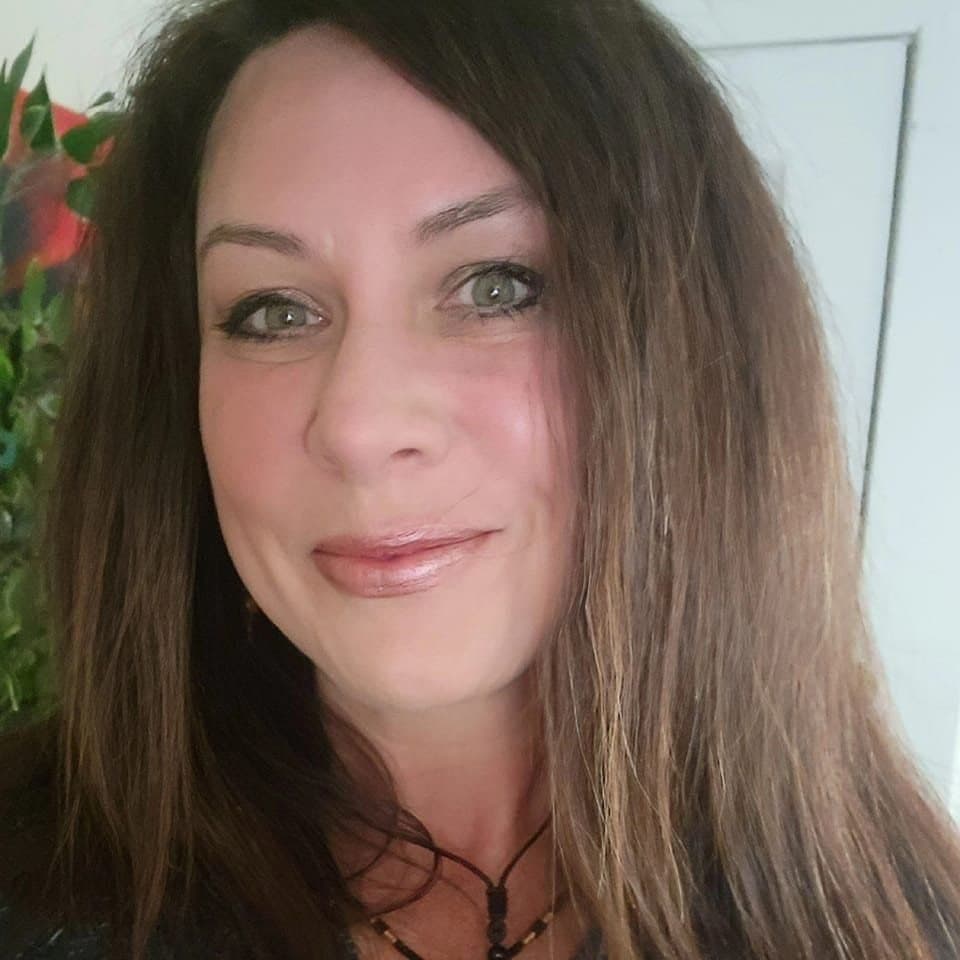
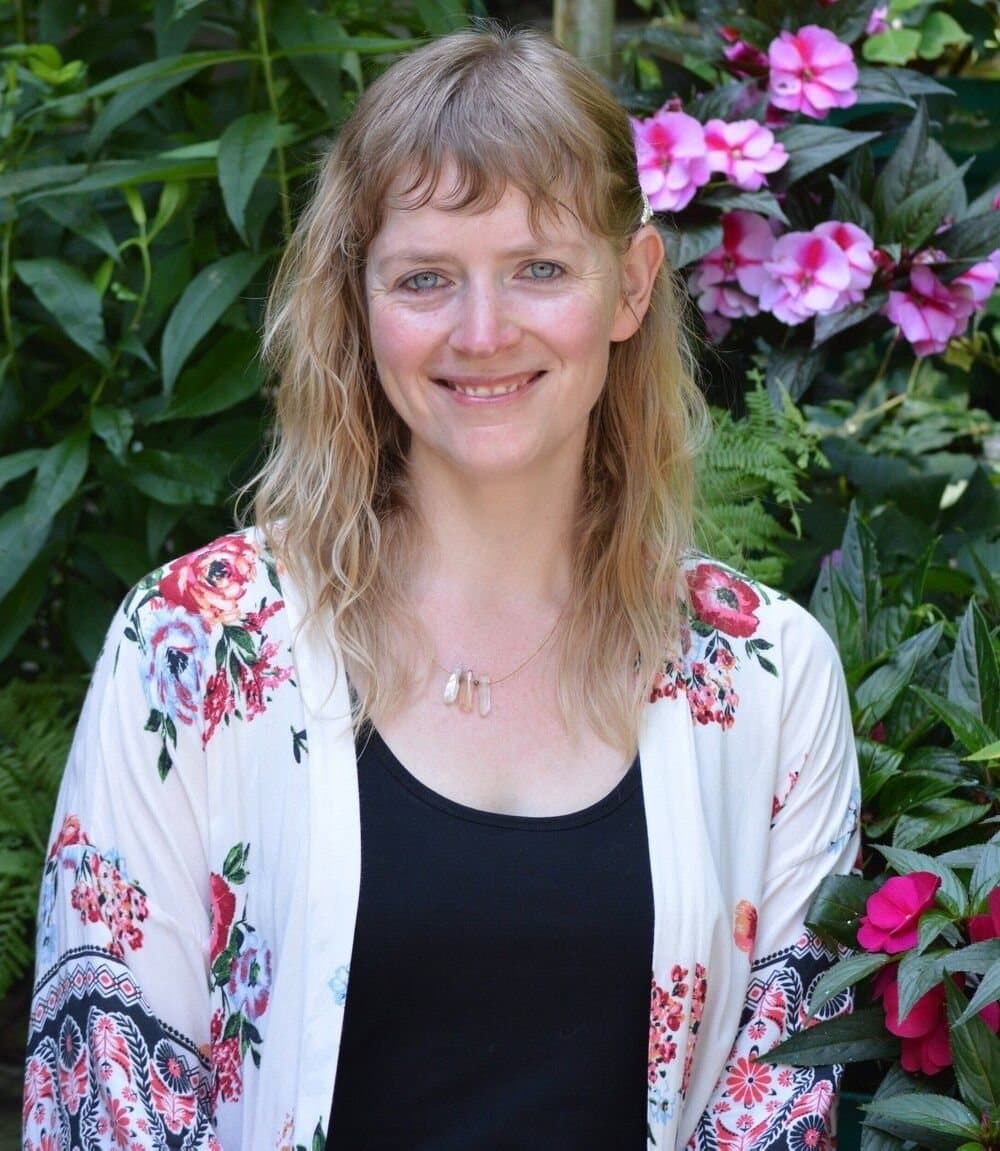

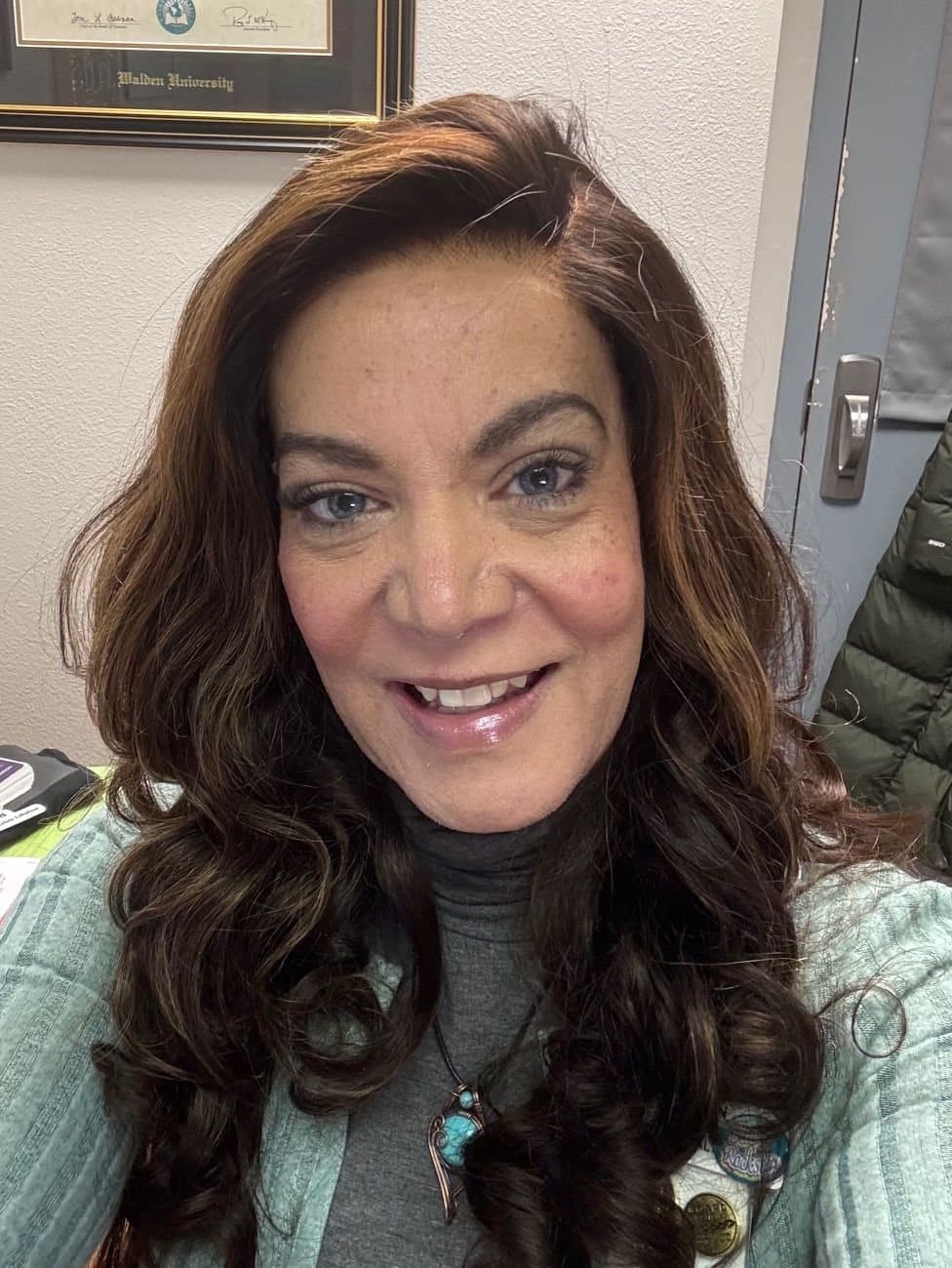
psychedelic therapy near you
four offices, plus telehealth
SomaVerse psychedelic-assisted care is offered at our Lawrence headquarters, 2619 W 6th St, Suites A & C; our Overland Park office, 10100 W 87th St, Suite 204; and our Topeka office, 5020 SW 28th St, Suite 204, with groups and weekend retreats at 616 Kentucky St, Lawrence. Preparation, therapy and integration sessions are available by telehealth too, which keeps support close between in-person medicine sessions.
Mon–Fri · 8 AM–9 PM · (785) 615-1995
questions
psychedelic therapy, answered
Still wondering about something? Call (785) 615-1995 or send us a note.
What’s the difference between psychedelic therapy and ketamine troche therapy?
Ketamine troche therapy describes the medicine and how it’s taken. Psychedelic-assisted therapy describes the whole therapeutic container around it: preparation, intention, set and setting, a supported session and integration. At Mind & Body Healing Collective the two meet in SomaVerse, where troches are always paired with a ketamine-trained therapist, a guide and integration support rather than used on their own.
How much does psychedelic therapy cost?
It depends on the structure you choose. Ketamine itself is self-pay, at $90 for a single dose or $480 for six, and ketamine-assisted psychotherapy runs $175 per hour, or $350 for a 2-hour self-pay session. Eligible medical and therapy visits may be billed to your insurance, subject to copays and deductibles. Bundled programs start at $1,325, with payment plans available.
Will I lose control or have a bad trip?
Ketamine states can feel unfamiliar, and challenging emotions sometimes arise. That’s why we move gradually, starting with a single dose or a short series, and why preparation includes grounding tools. Troches take effect slowly, which many people find easier to navigate than IV ketamine. You’re never pushed past what feels safe, and difficult moments often become meaningful material for integration.
Can psychedelic therapy help with trauma or PTSD?
Many clients find ketamine quiets fight-flight-freeze responses enough to approach traumatic memories with less fear, especially alongside trauma-focused work like EMDR or somatic therapy. Results vary, and it isn’t a substitute for a safety plan. If you’re in immediate distress or having thoughts of suicide, please call or text 988, or go to the nearest emergency room.
Do I need to be spiritual to benefit?
Not at all. Some people come for relief from depression and never frame their experience in spiritual terms. Others encounter awe, unity or purpose that feels sacred. We are spiritually open rather than spiritually prescriptive: we meet you where you are, and spiritual or esoteric practices become part of your care only if you invite them.

take the first step
you don't have to carry it alone.
Tell us a little about what's going on and we'll match you with a clinician who fits, in person or by telehealth. Most insurance accepted.