
queer & trans care
LGBTQIA+ Individual Therapy at Mind & Body Healing Collective
You shouldn’t have to spend your first three sessions educating your therapist. Here, you can walk in and start with what actually matters to you.
- ◦ In person in Lawrence, Overland Park or Topeka
- ◦ Telehealth across Kansas
- ◦ Most insurance accepted

approaches we use
- Internal Family Systems
- EMDR
- Somatic Therapy
- DBT Skills
- Attachment-Based Therapy
- Telehealth
You might recognize yourself here
- 01
You rehearse how to say “this is my partner” before every family gathering.
- 02
You know your pronouns but still flinch every time you have to correct someone at work.
- 03
A parent’s silence since you came out feels louder than any argument could.
- 04
Dating apps leave you feeling either invisible or like someone’s fantasy rather than a person.
- 05
You grew up in a faith community and are still untangling what you were taught about yourself.
- 06
Where you live now feels more like home than your hometown, yet visits back still knock you off balance.
- 07
You’re questioning your gender or sexuality and want room to explore without landing on a label.
Finding an LGBTQIA+ therapist who truly understands your life can feel like a gamble. Maybe you’ve sat across from a counselor who was kind but visibly uncomfortable, or who kept steering back to your identity when you came in to talk about your job. At Mind & Body Healing Collective, our one-on-one therapy, offered in Lawrence, Overland Park and Topeka or by telehealth, is built for queer, trans, nonbinary, intersex, asexual and questioning people who want care that genuinely fits.
Some people come to us in the middle of coming out. Others have been out for decades and are dealing with grief, burnout, a breakup or anxiety that has nothing to do with being queer. Either way, your identity is welcomed as part of the whole of you, never treated as the problem to be solved and never ignored when it matters.
Our team includes trans and queer clinicians, along with therapists who use he/they and she/they pronouns. You can ask for a clinician who shares aspects of your identity, and we’ll do our best to make that match. Many of our cisgender and straight clinicians are also experienced, affirming allies who have done their own learning, so you have real choices about who you work with and what feels safest.
Therapy That Starts From Your Reality
LGBTQIA+ people carry the same struggles as everyone else, like anxiety, depression, grief and relationship strain, plus a layer many therapists overlook: the daily effort of navigating a world that wasn’t built with you in mind. Our clinicians understand that context without needing a lecture on it. That frees your sessions to focus on your goals rather than on educating the person who’s supposed to be helping you.
In individual therapy, we follow your lead. Some weeks might center on a painful conversation with a sibling; others on a promotion, a panic attack or a creative block. Your identity is part of the conversation when you want it to be, not a lens applied to everything you say. And when it does matter, such as when a coworker keeps misgendering you or a family holiday looms, your therapist already understands the stakes and can focus on helping you prepare.
What We Often Work on Together
Every story is different, but certain themes come up often for queer and trans clients. We hold space for the heavy parts and the joyful ones, because being LGBTQIA+ is also a source of community, creativity and hard-won resilience. Therapy can help you grieve what has been painful while also celebrating who you are becoming. Topics clients often bring include:
Our approaches are integrative. A clinician might combine Internal Family Systems to work with the part of you that still hides, EMDR or somatic therapy for painful experiences, and practical DBT skills for moments when emotions surge. Some clients also find meaning in exploring spirituality on their own terms, especially after leaving a faith tradition that rejected them. Whatever the mix, the plan is built with you and adjusted as your needs change.
- Coming out to yourself, family, friends, coworkers or faith communities, at your own pace
- Exploring gender identity, expression, names and pronouns, including social and medical transition decisions
- Family rejection, estrangement and the grief of loving people who don’t fully see you
- Dating, sex, relationship structures and building healthy intimacy
- Internalized shame and religious trauma
- Building chosen family and community
- Intersections with neurodivergence, race, disability and faith
How Do I Find an LGBTQIA+ Therapist Who Actually Understands?
Look past rainbow logos and ask questions. A good fit will use your name and pronouns without fuss, be familiar with trans and nonbinary experiences, and stay open to relationship structures beyond monogamy. They won’t assume your identity is the cause of your distress, and they won’t treat it as irrelevant either. It’s fair to ask directly about their training, their experience with clients like you and how they handle mistakes, such as a misused pronoun, when they happen.
At our collective, you’re welcome to tell us exactly what matters in a clinician: shared identity, experience with gender exploration, familiarity with ethical non-monogamy, a faith-informed perspective or none at all. You can also book an initial session and decide afterward whether the fit feels right. Changing therapists within our team is always okay and never taken personally.
Support for Teens, Young Adults and Every Age After
Our practice works with people from age 4 and up, and many of our LGBTQIA+ clients are teens and young adults figuring out who they are while navigating school, campus life at KU, Washburn or Johnson County Community College, first jobs and family expectations. Some of our clinicians specialize in supporting queer and nonbinary teens and young adults, and we can involve parents or caregivers when that’s helpful and safe.
We also see LGBTQIA+ adults in midlife and later life, including people coming out after a long marriage and older adults facing aging, health changes or loss without the family support others may take for granted. Your story is welcome at every stage. Later-life clients often tell us they never imagined sitting with a therapist who simply understood, and that alone can bring a surprising amount of relief. Medicare and Humana Medicare are among the plans we accept.
LGBTQIA+ Individual Therapy Across Our Kansas Offices
For many people, Lawrence, Topeka or the Kansas City area is where they first felt free to be themselves. Yet plenty of our clients commute from smaller towns, or carry the weight of workplaces and families where being out still feels risky. Our offices in Lawrence, Overland Park and Topeka offer a discreet, affirming place to land, and telehealth lets you meet with an affirming therapist from home when privacy or distance is a concern.
We also collaborate with community partners to offer LGBTQIA+ support groups when available, which can pair well with individual work. Groups can offer a sense of belonging that one-on-one sessions can’t always provide on their own. If you ever feel unsafe or in crisis, please call or text 988 right away; you deserve support in those moments, too.
what to expect
how we'll begin, together
- 1
Reach out your way
Call, email or request an appointment online. You’re welcome to share your name, pronouns and any preferences about your therapist’s identity or experience.
- 2
An affirming intake
Your first session is a chance to share what’s bringing you in and to get a feel for your therapist. Ask anything you need to know about how they work.
- 3
Goals that are yours
Together you set goals rooted in what you want for your life, whether that’s healing family wounds, exploring gender or simply feeling less anxious.
- 4
Ongoing one-on-one work
Regular sessions give you space to grow at your own pace, with room to shift focus, bring in new approaches or add group support.
clinicians across the collective
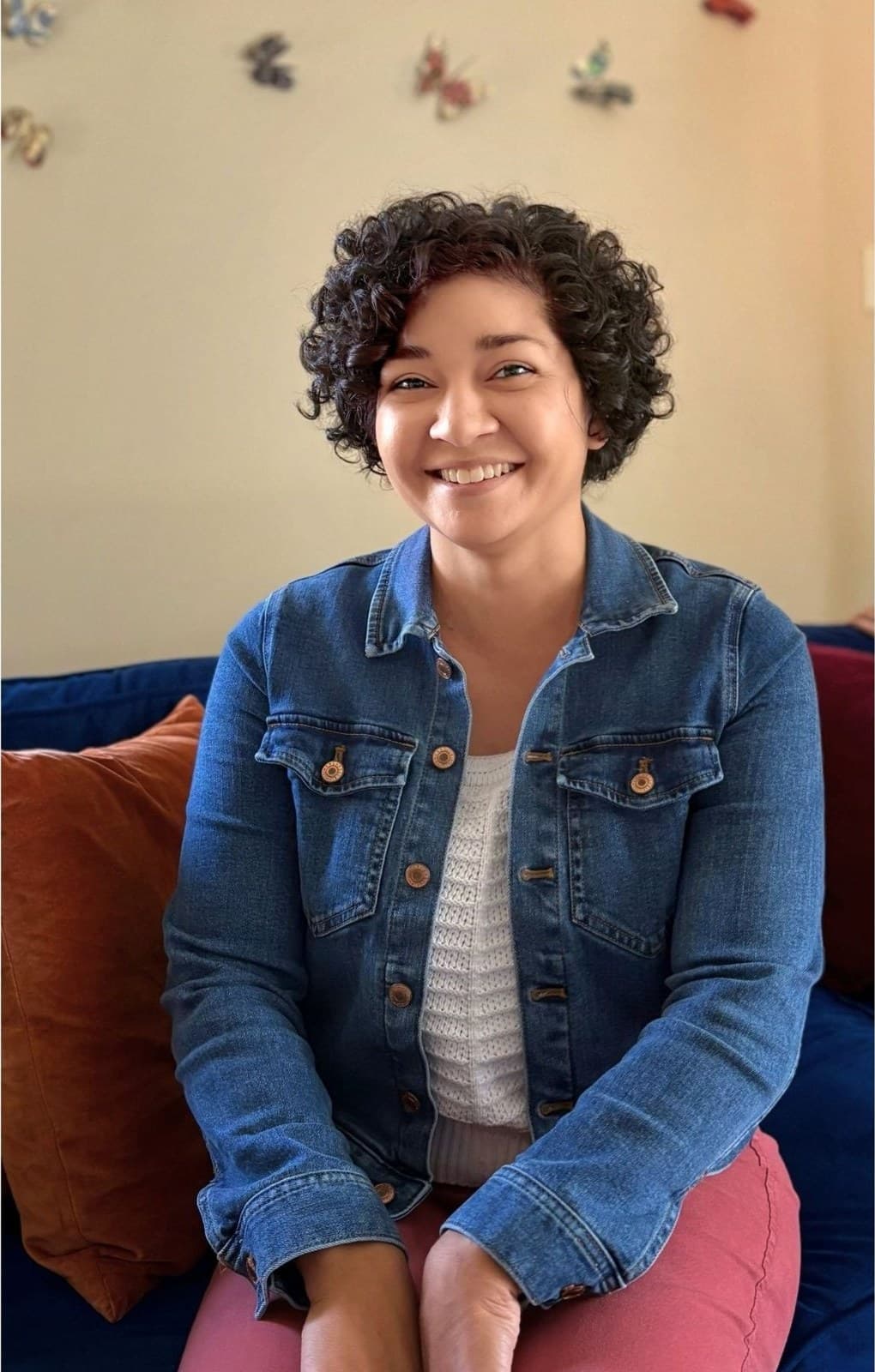
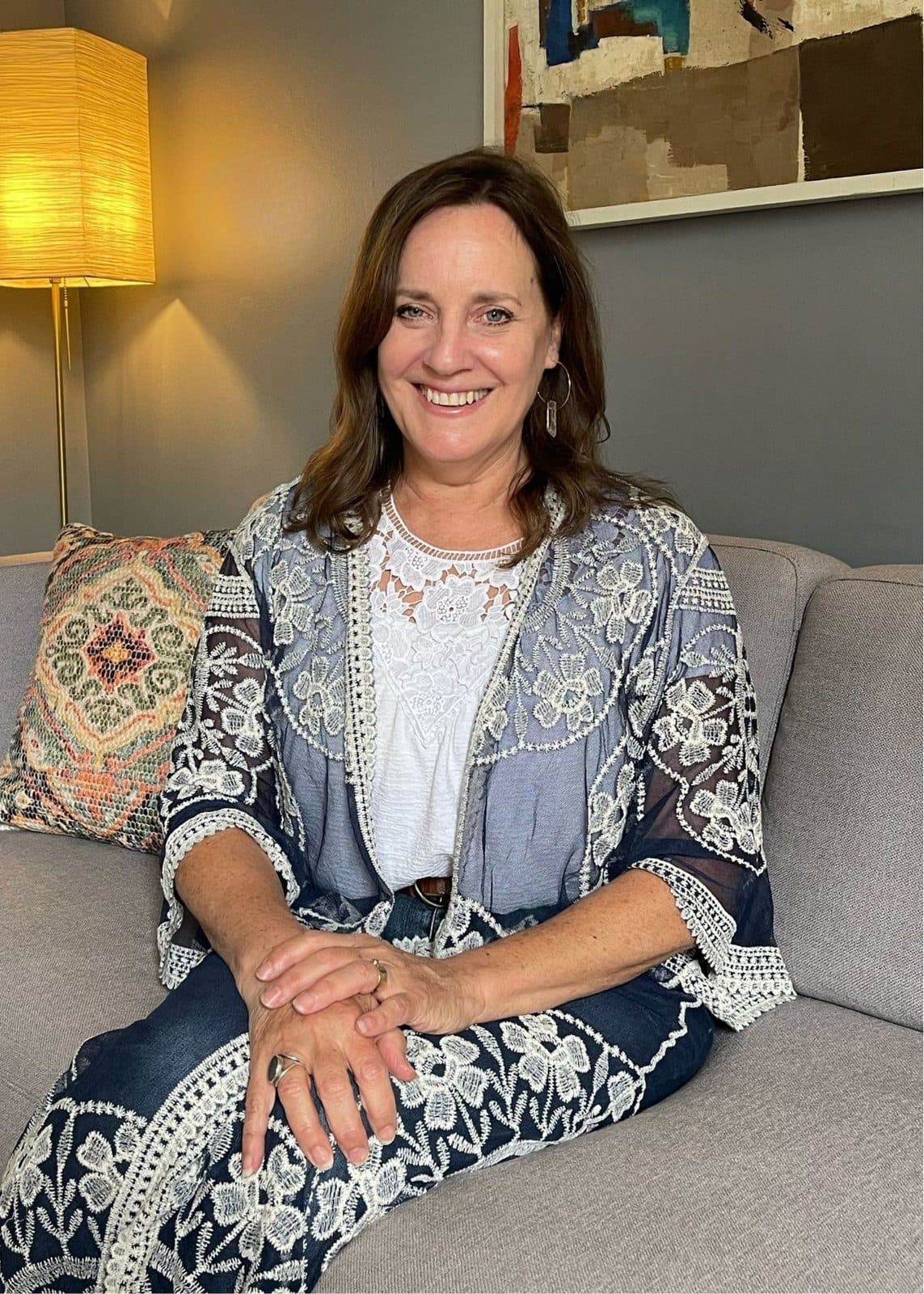
people you might work with


lgbtqia+ individual therapy near you
four offices, plus telehealth
Our clinicians see LGBTQIA+ clients at all four of our Kansas offices: our headquarters at 2619 W 6th St, Suites A & C, in west Lawrence; 616 Kentucky St, a quiet house a few blocks from downtown Lawrence; 10100 W 87th St, Suite 204, in Overland Park’s Mark One Building; and 5020 SW 28th St, Suite 204, in Topeka. For anyone who needs extra privacy, or lives farther out, secure telehealth is available in Kansas, Missouri, Washington and Florida, depending on clinician licensure.
Mon–Fri · 8 AM–9 PM · (785) 615-1995
questions
lgbtqia+ individual therapy, answered
Still wondering about something? Call (785) 615-1995 or send us a note.
Does insurance cover LGBTQIA+ therapy?
Yes. Individual therapy with an LGBTQIA+ affirming clinician is billed like any other therapy session. We file with many in-network plans, including Blue Cross Blue Shield, Aetna, Cigna, Ambetter, United, Tricare and KanCare. If you’re on a parent’s plan and worried about privacy, ask about self-pay: $250 for a 60-minute session, 40% less when paid the same day, with individualized reduced rates possible by provider agreement.
Can I choose an LGBTQIA+ therapist who shares my identity?
You can ask, and we’ll honor that request as best we can. Our team includes trans and queer clinicians and therapists who use he/they and she/they pronouns, alongside allies with deep experience in LGBTQIA+ care. Availability changes, so we can’t promise a specific clinician, but we’ll be transparent about your options.
I’m not sure of my identity yet. Is therapy still for me?
Very much so. You don’t need a label, a timeline or a conclusion to begin. Therapy can be a place to explore attraction, gender and expression with curiosity instead of pressure. Some people land somewhere clear; others find peace in staying open. Your therapist’s role is to support your exploration, not steer it.
Can you help me come out to my family?
Yes. We can help you think through timing, safety, what you want to say and how to care for yourself afterward, whatever the response. For some people, that includes rehearsing the conversation or planning around financial dependence. If family members later want to understand you better, family sessions may be an option.
Do you work with LGBTQIA+ teens?
We do. Our clinicians work with teens and young adults on identity, school stress, friendships, anxiety and family relationships. With minors, a parent or guardian consents to treatment, and we talk openly with both teen and family about what stays private in sessions and when safety concerns would need to be shared.

take the first step
you don't have to carry it alone.
Tell us a little about what's going on and we'll match you with a clinician who fits, in person or by telehealth. Most insurance accepted.