
healing in community
Group Therapy at Mind & Body Healing Collective
There is something profoundly meaningful about healing in connection with others. Our therapeutic and experiential groups create opportunities to share, reflect, learn, and grow within a supportive community. Through meaningful conversation, somatic exploration, and shared experiences, participants discover that healing is not always something we have to navigate alone.
- ◦ In person in Lawrence, Overland Park or Topeka
- ◦ Telehealth across Kansas
- ◦ Most insurance accepted

approaches we use
You might recognize yourself here
- 01
Friends care, but you’re tired of being the only one in your circle who has been through this.
- 02
You understand DBT skills on paper and want to practice them with real people.
- 03
Grief has made you feel out of step with everyone around you.
- 04
You show up for everyone else and rarely let anyone show up for you.
- 05
Individual therapy helps, and you’re curious how your patterns play out with a group.
- 06
The news cycle leaves you anxious and wanting somewhere to process it with others.
- 07
You’re looking for affordable support between individual sessions.
Group therapy at Mind & Body Healing Collective brings people together from across our Lawrence, Overland Park and Topeka community to heal, learn and practice being human alongside one another. Led by trained clinicians and community partners, our groups offer connection, skill-building and shared understanding in a structured, confidential setting. For many people, group becomes the place where isolation finally starts to loosen, and where they discover they have something valuable to offer others, too.
Our group offerings are intentionally dynamic. They shift through the year in focus, format and schedule, reflecting what our community needs and the specialties of our clinicians and partners. That means there’s often something new to explore, from skills-based groups to process groups, grief circles and ketamine integration gatherings. Whatever you’re carrying, there’s a good chance someone else in the room is carrying something similar.
Why Group Therapy Works
Group therapy isn’t a cheaper, lesser version of individual therapy. It offers things one-on-one work can’t. When you hear others describe struggles like yours, shame loses its grip, and what felt like a personal defect starts to look like a shared human experience. Watching someone else move through a hard moment with courage can show you what’s possible for yourself, sometimes more powerfully than any advice could.
Groups are also a living laboratory for relationships. The ways you tend to relate, whether staying quiet, caretaking or bracing for judgment, naturally show up in a group, where you can notice them with support and try something new in real time. Giving support matters too. Many members say that helping someone else was one of the most healing parts of the whole experience.
Types of Groups We Offer
Because our groups evolve over time, the exact lineup changes from season to season. Some groups are skills-based, with teaching, practice and take-home tools; others are process groups, where conversation unfolds from whatever members bring each week. Areas we commonly offer groups in include:
We’ve also offered groups focused on political and societal stress and on exploring consciousness and personal insight. If there’s a group you wish existed, tell us. Our offerings grow directly out of what clients and clinicians see a need for, and your idea may help shape what comes next. Some groups are led in collaboration with community partners, who bring their own lived experience and expertise to the circle.
- Anxiety and avoidance
- Depression and emotional support
- DBT skills and emotional regulation
- Grief and bereavement
- Somatic and body-based healing
- Women’s groups and men’s groups
- LGBTQIA+ community support, offered with community partners
Integration Circles and Ketamine Support Groups
Group work is woven through SomaVerse, our ketamine-assisted psychotherapy program. Integration groups give participants a place to make sense of what surfaced during their sessions, share insights and ground those experiences in everyday life. As an add-on, a 60-minute integration group is $20, and several SomaVerse packages include multiple integration groups as part of the program. Many participants say hearing others’ experiences deepened their own.
For those drawn to a more immersive group experience, we also offer a three-day weekend group ketamine workshop for 6 to 10 participants at our Kentucky Street location in Lawrence, which includes sound bath, breathwork and guided meditation. Ketamine isn’t appropriate for everyone, so every participant completes a medical evaluation first, and conditions like uncontrolled high blood pressure or psychosis rule it out.
Is Group Therapy as Helpful as Individual Therapy?
For many concerns, group therapy has strong research support, and for certain goals it may be even more useful, especially building social confidence, reducing isolation or practicing new ways of relating. It isn’t always a replacement, though. People in acute crisis, or working through very specific trauma, often benefit from individual care first, with group added once there’s a steadier foundation to stand on.
Many clients do both. Individual sessions offer space for private, in-depth work, while group offers perspective, belonging and practice. With your permission, your individual therapist and group leader can coordinate so each supports the other. Your therapist can help you decide whether group makes sense on its own, alongside individual therapy or a little later on.
Finding a Group at Our Collective Right Now
The best place to see what’s currently running is our Groups & Events page, which lists dates, times, locations and registration details, since availability changes throughout the year. If you aren’t sure which group fits, email contact@mbhealingcollective.org or call (785) 615-1995, and someone on our team will help you think it through. You don’t need to be an existing client to ask.
Group is a place for ongoing support, not emergency care. If grief, depression or anything else ever brings thoughts of suicide, please don’t wait for your next meeting: call or text 988 right away, day or night, and let your group leader know when you’re able. Your group leader can also help you connect with individual therapy or psychiatric support if you find you need more between meetings.
what to expect
how we'll begin, together
- 1
Explore current groups
Check our Groups & Events page, or reach out to ask what’s running now and which group fits what you’re hoping for.
- 2
A brief screening
A short conversation helps us understand your goals and confirm the group is a good match, so each circle stays safe and focused for everyone.
- 3
Join the circle
You’ll receive details about schedule, location and group agreements, including confidentiality, before your first meeting.
- 4
Grow together
Show up, listen, share when you’re ready and practice new ways of relating, with your group leader helping connect insights back to daily life.
clinicians across the collective
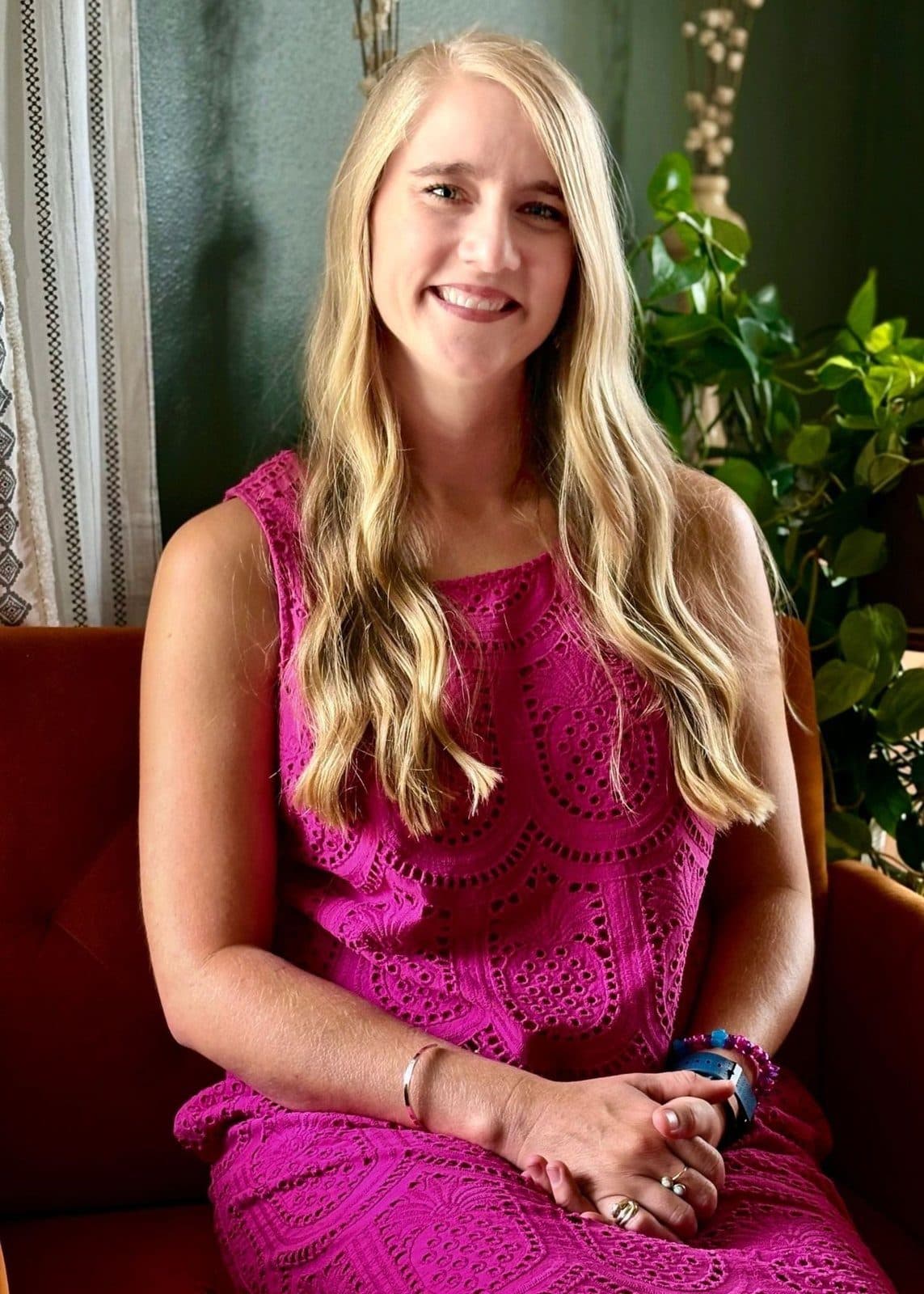
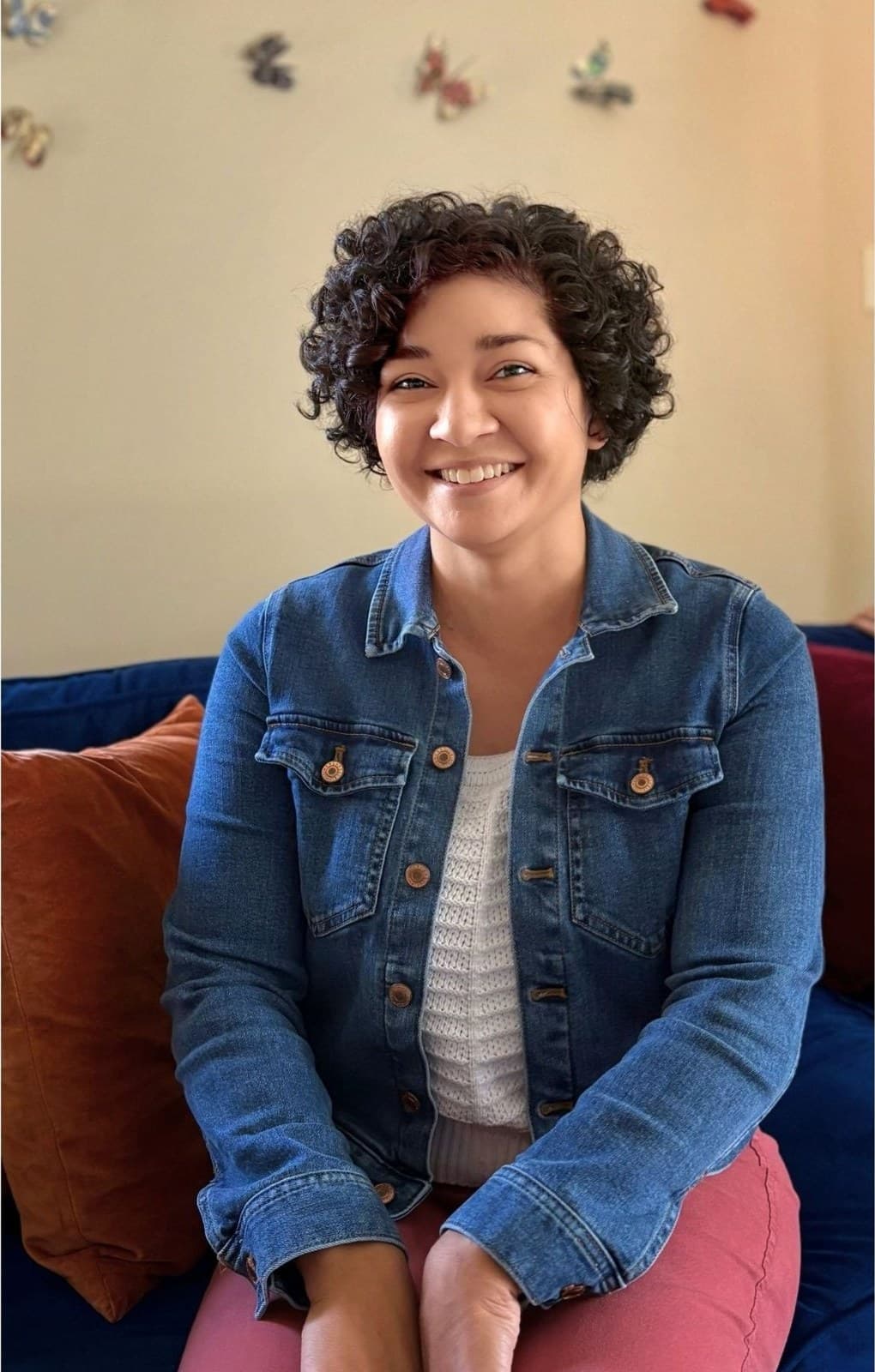
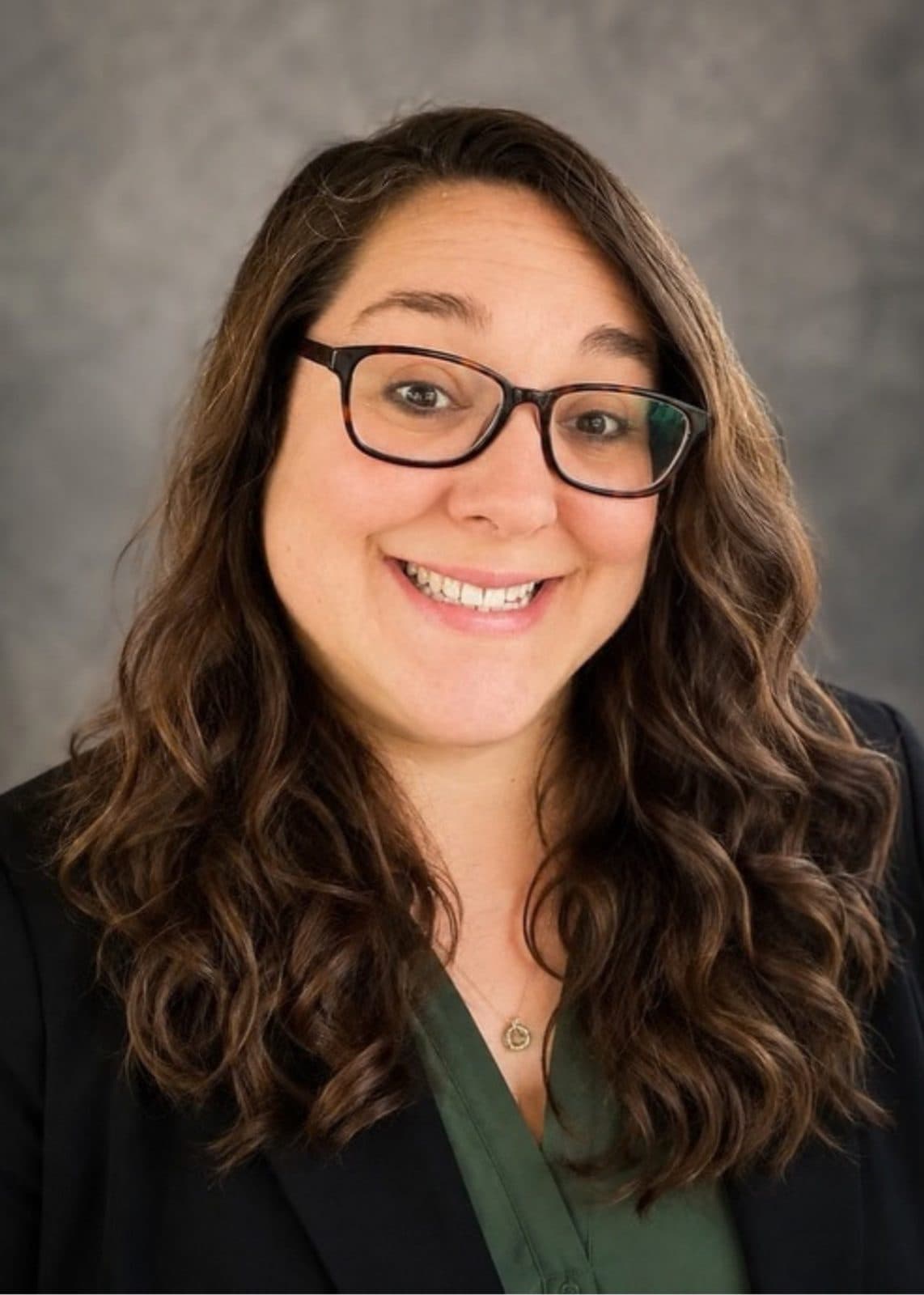
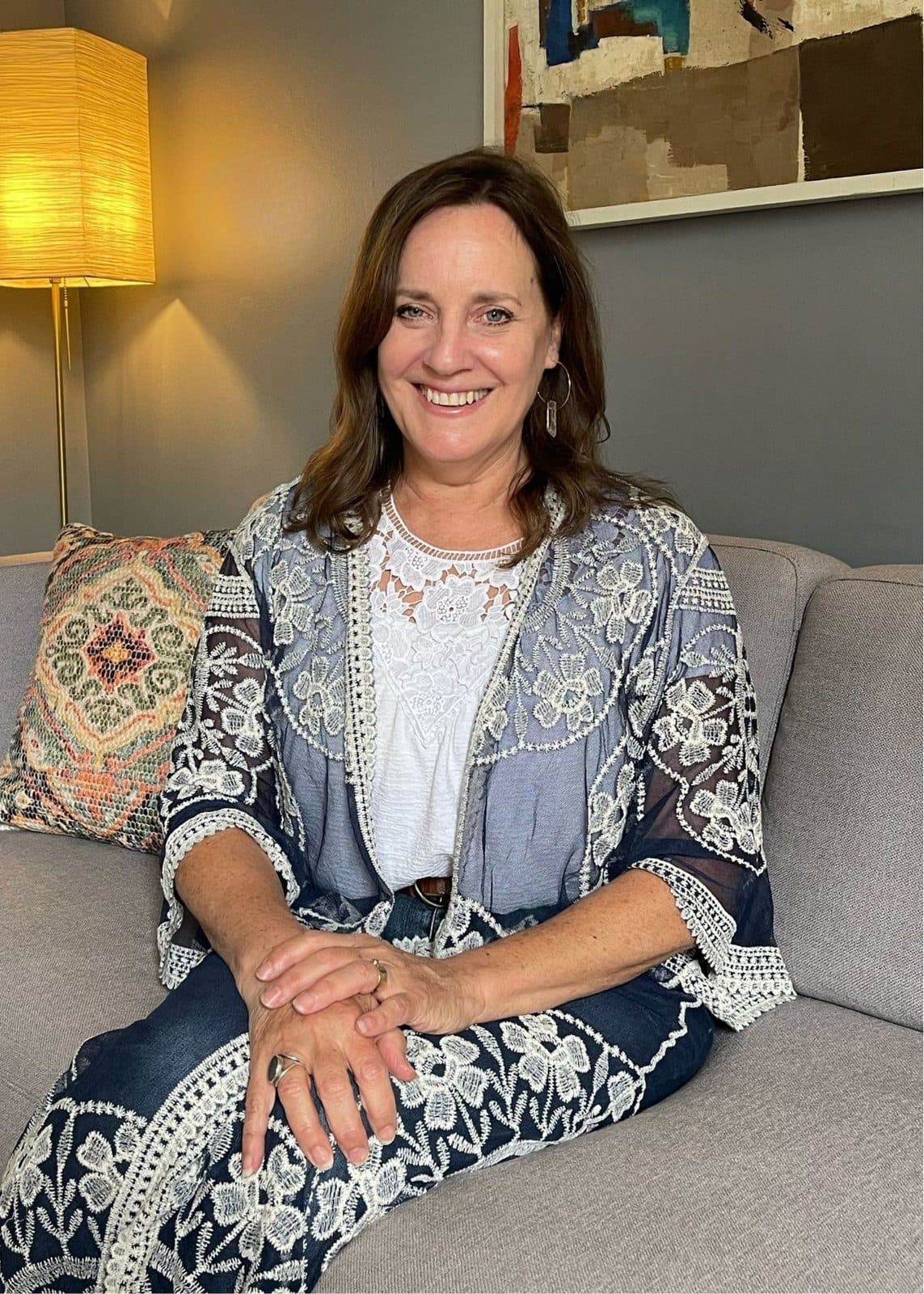
people you might work with
group therapy near you
four offices, plus telehealth
Our collective has four Kansas offices: our headquarters at 2619 W 6th St, Suites A & C, in west Lawrence; 616 Kentucky St, a quiet house a few blocks from downtown Lawrence, where SomaVerse weekend retreats and workshops are held; 10100 W 87th St, Suite 204, in Overland Park’s Mark One Building; and 5020 SW 28th St, Suite 204, in Topeka. Each group’s location is listed on our Groups & Events page, and individual therapy to complement group work is available in person or by secure telehealth.
Mon–Fri · 8 AM–9 PM · (785) 615-1995
questions
group therapy, answered
Still wondering about something? Call (785) 615-1995 or send us a note.
How much does group therapy cost?
Our standard group rate is $80 per session. Group structures vary: depending on the offering, a group may be billable to insurance, self-pay or donation-based. Ketamine integration groups are $20 as an add-on. When you ask about a specific group, we’ll tell you exactly how it’s billed before you commit, so there are no surprises.
Do I have to talk in group?
No one is ever forced to share. Many people spend the first meeting or two mostly listening, and that’s completely fine. Over time, most members find they want to speak up, often surprised by how much it helps. Your group leader guides the conversation so it feels safe and balanced for everyone.
Is group therapy confidential?
Group members agree to keep what’s shared in the room private, and clinicians are bound by professional confidentiality. Because other members aren’t licensed professionals, privacy can’t be protected in quite the same way as in individual therapy, so leaders review agreements at the start and you always decide how much to share.
Can I join a group if I have social anxiety?
Often, yes, and group can be especially helpful for it, because it offers a supportive place to practice being seen. Feeling nervous at first is completely normal. Let us know during screening, and we can talk about which group might feel most manageable and what support would help you settle in.
Can I do group therapy alongside individual therapy?
Absolutely, and many clients do. The two tend to deepen each other: group offers perspective and practice, while individual sessions give room to unpack what came up. If you’re not yet a client, joining a group can also be a gentle, lower-cost way to get to know our collective before committing to one-on-one work.
What groups are running right now?
Our lineup changes throughout the year, so the Groups & Events page on our website is the most reliable source for current offerings, dates and registration. You can also call (785) 615-1995 or email contact@mbhealingcollective.org, and we’ll help you find a group that fits your needs and your schedule.
take the first step
you don't have to carry it alone.
Tell us a little about what's going on and we'll match you with a clinician who fits, in person or by telehealth. Most insurance accepted.