
ptsd & trauma recovery
PTSD Therapy at Mind & Body Healing Collective
When one moment keeps replaying, in dreams, in your body, in the way you scan every room, it can feel like the event never ended. PTSD therapy helps your system learn that it did.
- ◦ In person in Lawrence, Overland Park or Topeka
- ◦ Telehealth across Kansas
- ◦ Most insurance accepted

approaches we use
- EMDR
- Accelerated Resolution Therapy
- Brainspotting
- Somatic Therapy
- CBT
- Ketamine-Assisted Psychotherapy
What PTSD can look like day to day
- 01
You sit facing the door in restaurants and know where every exit is.
- 02
Fireworks, sirens, or a slammed door send your heart racing long after the sound is gone.
- 03
Nightmares wake you up sweating or already on your feet, so you have started dreading sleep.
- 04
You avoid a certain road, store, or part of town because of what happened there.
- 05
Loved ones say you seem far away, irritable, or quicker to anger than you used to be.
- 06
Some pieces of the event are painfully vivid while others are strangely blank.
- 07
You feel most like yourself on the job or in a crisis, and lost when things are quiet.
- 08
Alcohol, overwork, or staying busy has become the main way to keep memories at bay.
PTSD therapy at Mind & Body Healing Collective, at our offices in Lawrence, Overland Park and Topeka or by telehealth, is for anyone whose life has been reorganized around a frightening or overwhelming experience. Combat, a serious crash, an assault, a medical emergency, a fire or tornado, or a call you responded to that you still can’t shake: post-traumatic stress disorder can follow any event that made your body believe you might not survive.
PTSD is not weakness, and it is not a sign you should have handled things better. It is a survival response that got stuck in the on position. In a split second, your brain learned that certain sights, sounds, or sensations mean danger, and it keeps sounding the alarm to protect you. That protective instinct deserves respect, even as we help it stand down.
We work with veterans, service members and their families, first responders, healthcare workers, and everyday people who never expected to need this kind of help. Whatever brought you here, the goal is the same: less reactivity, more rest, and a life that belongs to the present again. You don’t have to be certain you have PTSD to reach out; noticing that something changed after an event is reason enough to talk.
What PTSD is, and why your body stays on guard
After a traumatic event, most people experience some shakiness, sleep trouble, or intrusive memories for a while. PTSD is what happens when those reactions don’t fade with time. The memory stays fragmented and emotionally hot, stored more like an ongoing threat than a finished chapter. Reminders, even subtle ones, can trigger the same surge of adrenaline you felt in the moment. Your body is reacting to the past as if it were happening now.
Clinicians often describe four clusters of symptoms: re-experiencing the event through flashbacks, nightmares, or intrusive images; avoiding reminders; shifts in mood and beliefs, such as guilt, numbness, or the sense that nowhere is safe; and hyperarousal, including hypervigilance, a hair-trigger startle, irritability, and poor sleep. You don’t need every symptom to benefit from care. Symptoms can also appear months or even years after the event, sometimes set off by a new stressor or a life change that stirs the old memory.
Support for veterans, service members, and first responders
Military and first-responder cultures prize toughness, and for good reason; that toughness keeps people alive. But the same training that helps you function under pressure can make it hard to set the weight down afterward. Many veterans and responders wait years before reaching out, often because they worry a civilian therapist won’t understand, or that talking will make things worse. Reaching out is not a failure of that strength. It is another form of it.
We aim to be a place where you don’t have to translate yourself. Our team includes people who have served in the military, and we are in network with Tricare and VA/Veterans plans, which can make getting care simpler. We also work with police officers, firefighters, EMS crews, dispatchers, and hospital staff carrying cumulative exposure to other people’s worst days, as well as the spouses and families who live alongside PTSD.
EMDR, ART, and Brainspotting for PTSD
Trauma-focused processing is central to PTSD recovery, and our clinicians offer several brain-based approaches that can reduce the charge of traumatic memories without requiring you to tell the story over and over. Each works a little differently, and part of your early sessions is figuring out which one fits your history, your nervous system, and your comfort level. EMDR, ART, and somatic therapy are offered at our Lawrence and Overland Park offices. Some people move between approaches over time as different layers come up.
CBT can also help you examine beliefs the trauma left behind, like “it was my fault” or “I can never let my guard down.” For PTSD that has not responded to other treatment, SomaVerse ketamine-assisted psychotherapy may be an option after a thorough medical screening. It is not suitable for everyone, including people with uncontrolled high blood pressure or a history of psychosis, and it always includes integration support. That combination keeps safety at the center.
- EMDR (Eye Movement Desensitization and Reprocessing): while briefly holding a memory in mind, you follow side-to-side eye movements or tapping, helping the brain refile the experience as something that happened rather than something still happening.
- Accelerated Resolution Therapy (ART): combines eye movements with a guided process of voluntarily replacing distressing images, and is designed to work efficiently. Our team includes a Master Certified ART clinician.
- Brainspotting: uses a fixed point in your visual field linked to where the memory is held in the body, allowing deep processing with very few words.
- Somatic therapy and DBT skills: grounding, breath, and distress-tolerance tools for managing flashbacks and hyperarousal between sessions.
Can PTSD be treated without reliving the trauma?
Many people avoid therapy because they picture describing the worst moment of their life in detail, week after week. That is not how we approach PTSD. Stabilization comes first: learning to ground yourself, sleep a little better, and recognize when your system is escalating. Only then do we turn toward the memory, and even then, Brainspotting, ART, and EMDR rely more on what you notice internally than on what you say out loud.
You control the pace throughout. A good session should leave you steadier, not flooded, and your therapist will help you close each one in a settled place before you head back into your day. If something feels like too much, you can say so and the work shifts. Many clients are surprised that processing a memory feels less exhausting than the years they spent trying not to think about it.
PTSD therapy close to home, and support for the whole household
Getting to appointments matters when your nervous system is already stretched. We have two offices in Lawrence, one in Overland Park convenient to Johnson County and the KC metro, and one on SW 28th St in Topeka. For anyone who would rather begin from home, telehealth is available across Kansas and in several other states, and some clients start that way before moving to in-person sessions once trust is established. Our weekday hours run until 9 PM, which can help if you work shifts or long days.
PTSD also affects everyone under the same roof. Partners, children, and parents often absorb the ripple effects of hypervigilance, irritability, and withdrawal without understanding where they come from. Couples and family therapy with our team can help loved ones make sense of what is happening, stop taking symptoms personally, and relearn how to connect. Children in particular benefit from age-appropriate explanations of why a parent startles, snaps, or pulls away.
what to expect
how we'll begin, together
- 1
First contact, your way
Call, text, or email whenever you’re ready. If you are a veteran or covered by Tricare, let us know so we can look into your benefits before your first visit.
- 2
Assessment and safety
Your intake covers what happened only as much as you choose, along with current symptoms, sleep, supports, and substance use, so your plan is safe as well as effective.
- 3
Stabilize, then process
Early sessions focus on grounding and sleep. Once you feel steadier, you and your therapist choose a processing method, such as EMDR, ART, or Brainspotting, suited to your history.
- 4
Reclaim your life
As memories lose their charge, therapy turns toward what PTSD took from you: relationships, rest, purpose, and the places you’ve been avoiding.
clinicians across the collective
people you might work with
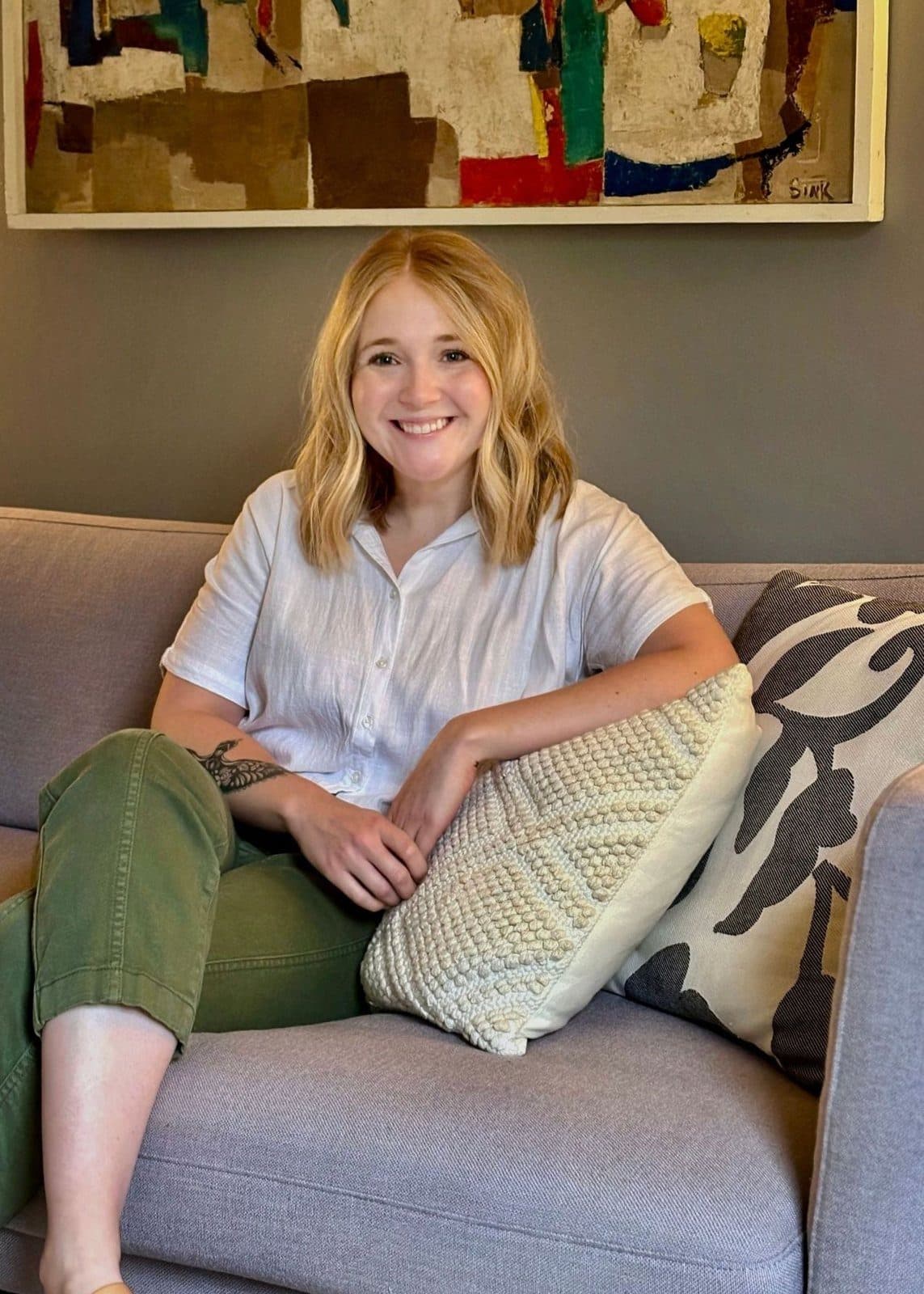
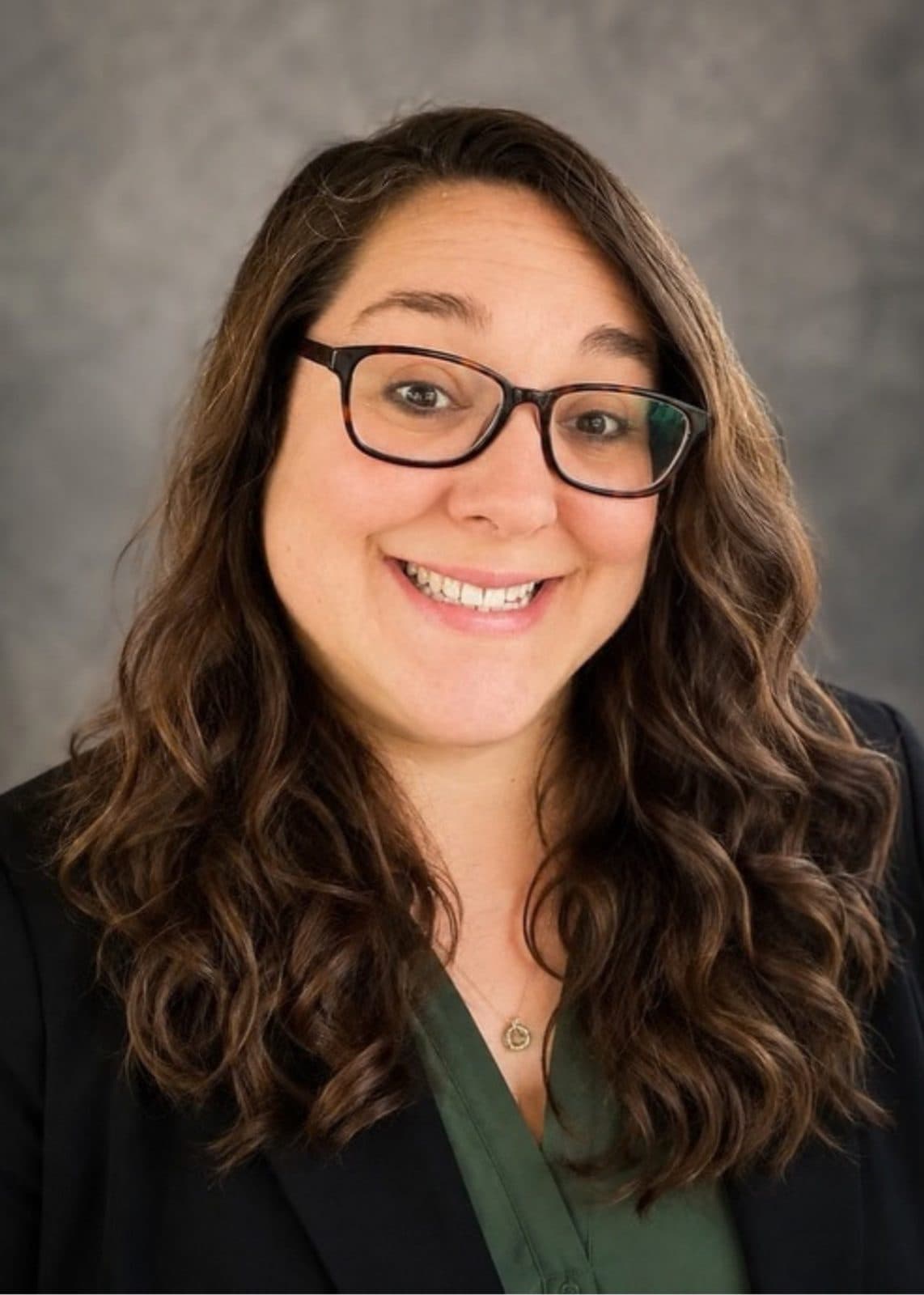
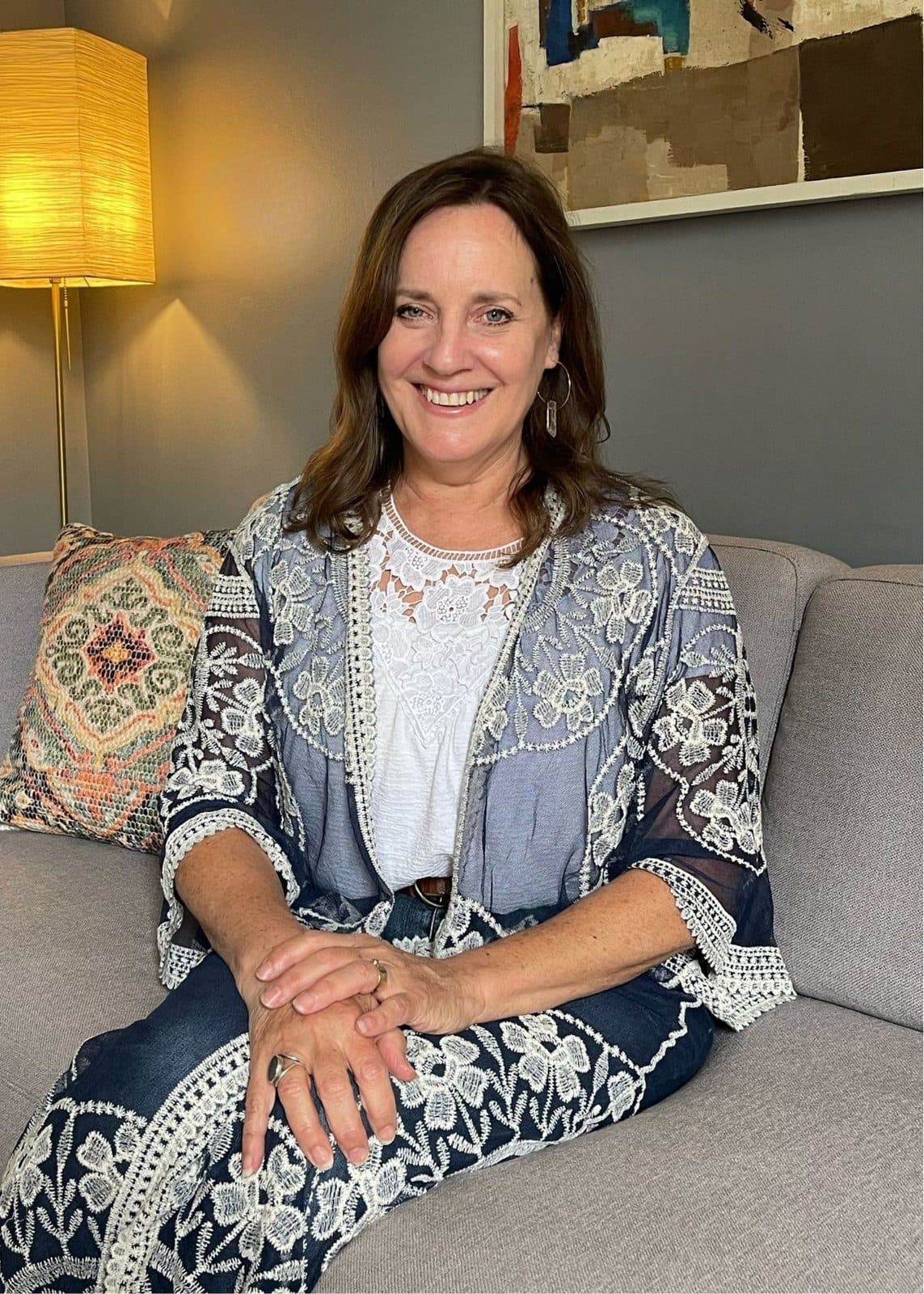
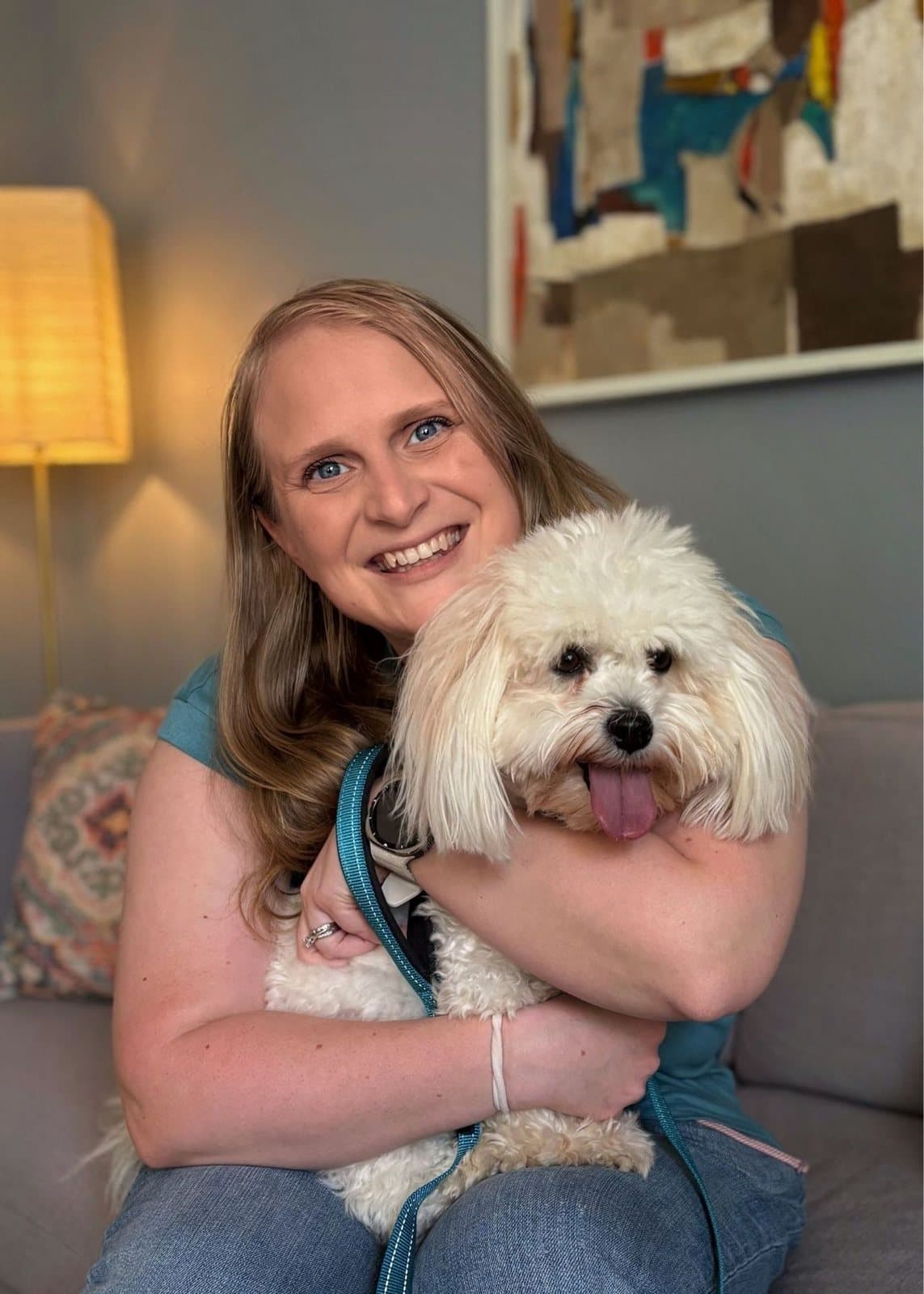
ptsd therapy near you
four offices, plus telehealth
PTSD therapy is available at 2619 W 6th St, Suites A & C, our west Lawrence headquarters; at 616 Kentucky St, a quiet house a few blocks from downtown Lawrence; at 10100 W 87th St, Suite 204, in Overland Park; and at 5020 SW 28th St, Suite 204, in Topeka. We regularly welcome clients from Douglas, Johnson, and Shawnee counties, along with veterans who make the drive from elsewhere in northeast Kansas. When driving isn’t realistic, sessions can happen by telehealth across Kansas, Missouri, Washington, and Florida, depending on clinician licensure.
Mon–Fri · 8 AM–9 PM · (785) 615-1995
questions
ptsd therapy, answered
Still wondering about something? Call (785) 615-1995 or send us a note.
Do you accept Tricare or VA insurance for PTSD therapy?
Yes. Mind & Body Healing Collective is in network with Tricare and with VA/Veterans plans, as well as many other insurers, including Blue Cross Blue Shield, Aetna, Cigna, and Medicare. We file claims for you, and you are responsible for any copay or deductible at the time of service. Reach out and we’ll do our best to help you understand what your plan covers.
How many sessions does PTSD treatment take?
It depends on whether you are working with one event or several, how long symptoms have been present, and what else is happening in your life. Some people notice meaningful relief within a few months, particularly with focused approaches like ART or EMDR. Layered or complex trauma usually takes longer. Your therapist will review progress with you along the way.
I’m a first responder. Is what I share kept confidential?
Yes. What you share in therapy is confidential, with narrow legal exceptions your therapist will explain at intake, such as imminent risk of harm. Your employer is not told you are in therapy unless you give written permission. Some first responders choose self-pay or telehealth for added privacy; self-pay fees are reduced 40% when paid the day of service.
Can my partner or family be involved in PTSD therapy?
Yes, if you want them to be. Loved ones often benefit from understanding hypervigilance, triggers, and withdrawal. Some clients invite a partner into a few sessions; others pair individual PTSD therapy with separate couples or family counseling with our team, so everyone has support.
What if I’m having thoughts of suicide?
Please reach out right away. You can call or text 988 at any hour to reach the Suicide & Crisis Lifeline, and veterans can press 1 after dialing 988 to connect with the Veterans Crisis Line. If you are in immediate danger, call 911. Once you are safe, we can help you build longer-term support.
Is PTSD therapy only for veterans?
Not at all. PTSD can follow a car accident, an assault, a difficult birth, a medical crisis, a natural disaster, or witnessing violence. Children and teens can develop it too, and we work with clients from age 4 upward. If a specific event keeps intruding on your present, PTSD therapy may help, whatever the source.

take the first step
you don't have to carry it alone.
Tell us a little about what's going on and we'll match you with a clinician who fits, in person or by telehealth. Most insurance accepted.