
for veterans and civilians alike
PTSD Therapy in Topeka, KS
The danger ended, but your body never got the message. PTSD therapy helps your nervous system finally learn that the deployment, the crash or the night it happened is over.
- ◦ In person in Topeka
- ◦ Telehealth across Kansas
- ◦ Most insurance accepted

What PTSD can feel like from the inside
- 01
You sit with your back to the wall in every restaurant, and you always know where the exits are.
- 02
Fourth of July fireworks, a car backfiring or a helicopter overhead sends your heart into your throat.
- 03
You wake up drenched in sweat from the same dream and dread falling asleep again.
- 04
You’ve stopped driving certain roads or visiting certain places, and your world keeps getting smaller.
- 05
Your family says you’ve been different since you got back, or since the accident, and you know they’re right.
- 06
You feel numb or far away from the people you love, like you’re watching your life through glass.
- 07
Anger flares faster than it used to, and the crash afterward leaves you exhausted and ashamed.
PTSD therapy in Topeka, KS at Mind & Body Healing Collective is designed for people who live with the aftershocks of trauma every day: the nightmares, the startle, the flashbacks, the constant scanning, the way certain places or sounds snap you right back. Post-traumatic stress disorder isn’t weakness or a failure to get over it. It’s what happens when a brain and body that survived something overwhelming stay locked in survival mode.
We work with combat veterans and Guard members, military spouses and kids, law enforcement, firefighters, dispatchers, nurses, and civilians who survived assault, accidents, abuse or sudden loss. Our Topeka clinicians use trauma-focused CBT, DBT skills and Internal Family Systems, with EMDR available through our Lawrence and Overland Park offices when it’s the right fit, and we accept Tricare and VA/Veterans plans, so getting help close to home is more within reach.
What PTSD is, and how it differs from ordinary stress
After a frightening event, most people have some trouble sleeping, some jumpiness, some unwanted memories. For many, those reactions fade over weeks. With PTSD, they persist or intensify, often for months or years, and life begins to organize itself around avoiding reminders. Clinicians describe PTSD in four clusters of symptoms, and most people recognize themselves in more than one. Over time, nightmares, avoidance and irritability can quietly reshape your relationships, your work and your sense of who you are.
Underneath the diagnosis is a nervous system that never received the all-clear. The part of your brain that detects danger stays loud, while the part that files memories into the past and says “that’s over now” goes quiet. So a memory doesn’t feel like a memory. It feels like it’s happening now. Effective treatment helps the brain finish that filing process. Once it does, reminders may still bring feelings, but they no longer carry the full alarm of the original moment.
- Re-experiencing: intrusive memories, flashbacks or nightmares
- Avoidance of people, places, conversations or thoughts tied to the event
- Shifts in mood and belief: guilt, shame, blame, or a sense that the world is entirely dangerous
- Hyperarousal: hypervigilance, startle, irritability and trouble concentrating
- Sleep disruption and physical tension that won’t let go
Care for veterans, service members and military families near Forbes Field
Topeka has deep military roots, and many local families are tied to the Kansas Air National Guard at Forbes Field, to Fort Riley farther west on I-70, or to generations of service. Military trauma can include combat, but also training accidents, military sexual trauma, the loss of someone in your unit, and moral injury: the lasting pain of having done, witnessed or failed to prevent something that violated your own code.
We accept Tricare and VA/Veterans plans, and we understand that many veterans are wary of therapists who haven’t asked about their service with respect. Our clinicians won’t push you to recount details before you’re ready, won’t make assumptions about your service or your politics, and will work around the practical realities of drill weekends, deployments and reintegration. Spouses and children can get their own support, because PTSD affects the whole household.
Evidence-based PTSD therapy in Topeka: what actually helps
Trauma-focused cognitive behavioral approaches are among the best-studied treatments for PTSD. They help you examine the beliefs the trauma left behind, such as “I should have stopped it” or “I can’t trust anyone,” and gradually, with support, approach the reminders you’ve been avoiding until they lose their grip. DBT skills give you practical tools for nightmares, anger and moments of overwhelm while that deeper work unfolds.
Internal Family Systems helps you meet the parts of you that took on the job of keeping you alive, the one that never sleeps, the one that goes numb, with respect instead of frustration. EMDR, another well-researched PTSD treatment, is offered by our clinicians in Lawrence and Overland Park, and your Topeka therapist can help you decide whether a referral makes sense. Your therapist will help you choose a starting point based on your symptoms, history and comfort level.
Can PTSD be cured, or only managed?
Many people experience substantial, lasting relief from PTSD with the right treatment. Memories don’t get erased, but they can lose their power: flashbacks become rare, sleep returns, and you can talk about what happened without being thrown back into it. We won’t promise a cure, because everyone’s path is different, but we have deep respect for how much healing is possible, even decades later.
When symptoms haven’t responded to other care, a medication evaluation with our psychiatric nurse practitioner, available by telehealth across Kansas, may help with sleep, nightmares or hyperarousal. Some clients also explore our SomaVerse ketamine-assisted therapy program, which pairs medically screened ketamine sessions with trauma-informed therapy and integration. It isn’t right for everyone, and screening always comes first. Any of these options tends to work best alongside trauma-focused therapy, where the deeper healing takes root.
First responders, healthcare workers and civilians
Police officers, firefighters, EMS crews, dispatchers, corrections staff and ER nurses carry cumulative trauma that rarely gets acknowledged. The culture often rewards pushing through, right up until sleep, marriage or health start to fall apart. Therapy offers a confidential space to set some of that weight down with someone who won’t flinch at what you describe. We understand the particular weight of shift work, mandatory overtime, and the way a single call can stay with you for years.
Civilians develop PTSD too: after sexual assault, domestic violence, a serious car accident, a tornado, a sudden death or a frightening medical event. There is no hierarchy of trauma here. If your nervous system is stuck in the aftermath, you deserve the same quality of care as anyone else. Whether your trauma happened last month or forty years ago, it is never too late to begin.
what to expect
how we'll begin, together
- 1
Contact us on your terms
Call (785) 615-1995 or email. Mention if you’re using Tricare or a VA plan so we can talk through what your coverage requires.
- 2
A respectful intake
We ask about current symptoms, sleep, safety and goals. You decide how much of the story to share, and when.
- 3
Stabilize, then target
You build skills for nightmares, triggers and hyperarousal, then begin working through the memories and beliefs that keep PTSD in place.
- 4
Reclaim your life
As memories settle, the focus shifts to reconnecting with family, purpose and the activities PTSD pushed out of your life.
clinicians in topeka
people you might work with


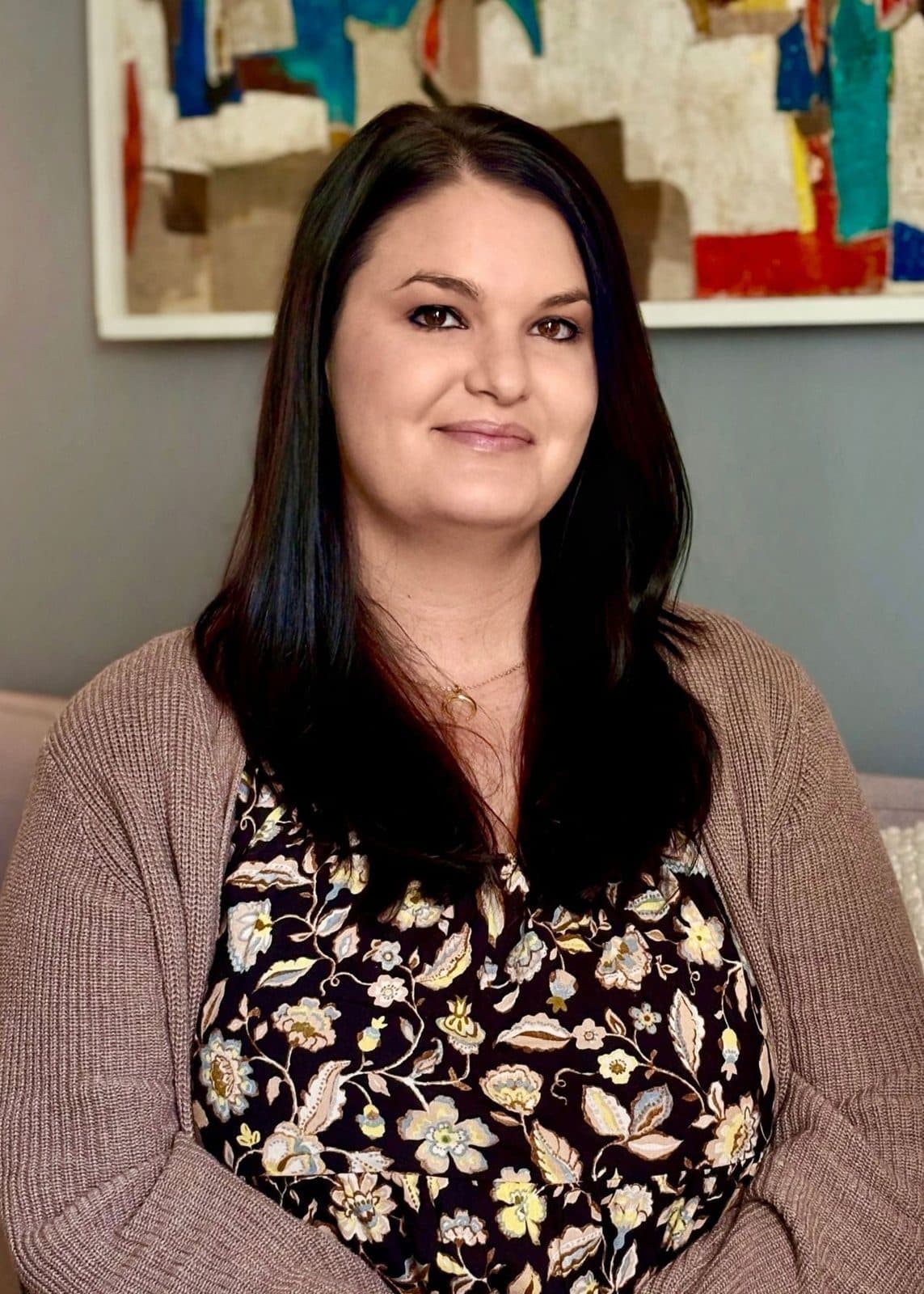
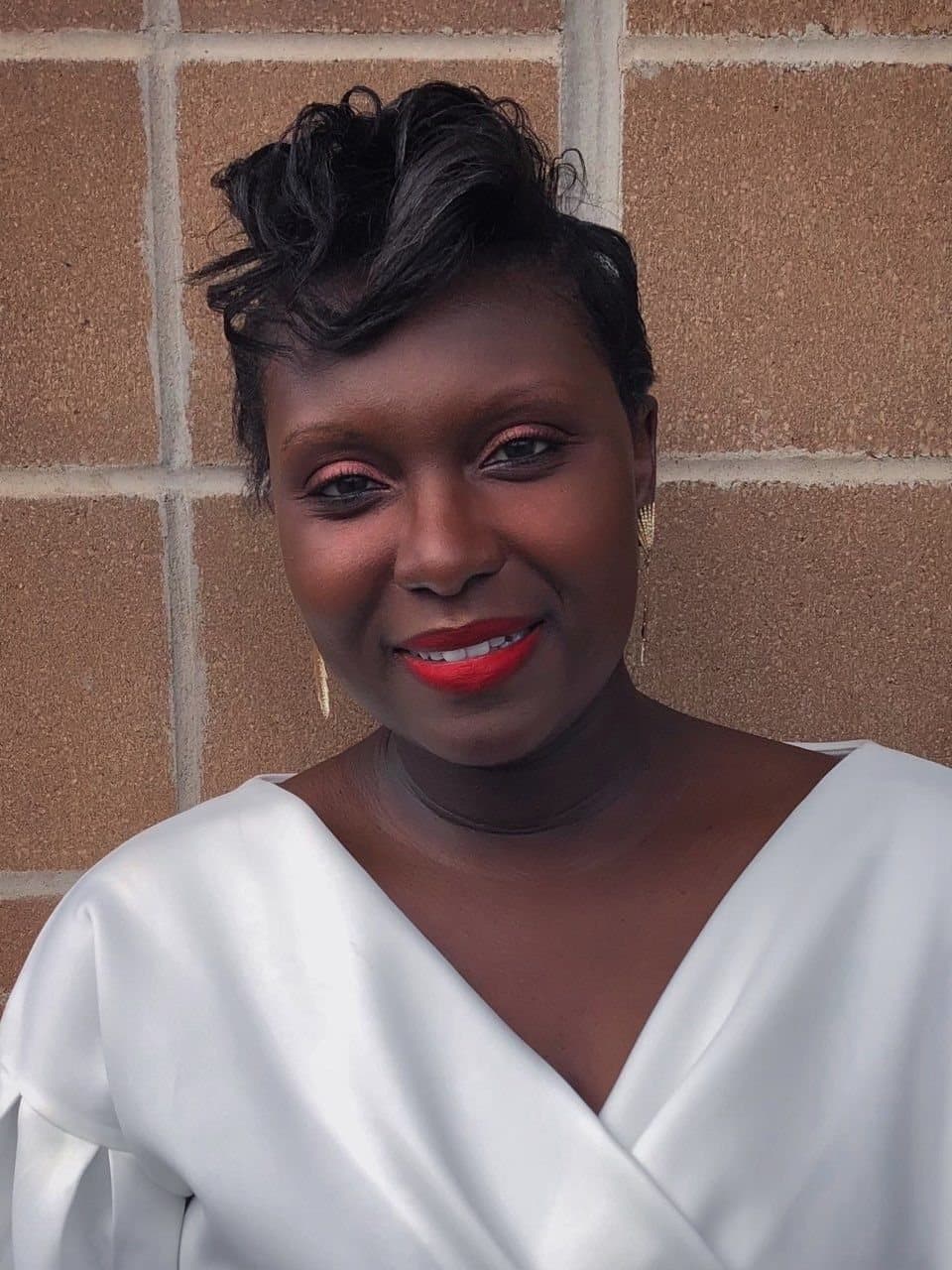
ptsd therapy near you
visiting us in topeka
PTSD therapy is available at our Topeka office, 5020 SW 28th St, Suite 204, Topeka, KS 66604, in southwest Topeka off I-470 and a reasonable drive from Forbes Field. We see veterans, service members, first responders and civilians from across Shawnee County, including Auburn, Rossville, Silver Lake and Tecumseh. Secure telehealth is available throughout Kansas, which helps with drill weekends, rotating shifts and long commutes.
Mon–Fri · 8 AM–9 PM · (785) 615-1995
questions
ptsd therapy in topeka, answered
Still wondering about something? Call (785) 615-1995 or send us a note.
Do you accept Tricare and VA insurance for PTSD therapy in Topeka?
Yes. Tricare and VA/Veterans plans are among our in-network options, along with BCBS, Aetna, Cigna, United, Medicare, KanCare plans and others. We file claims for you, and any copay, coinsurance or deductible is due at the time of service. If you have a VA referral or specific plan requirements, mention it when you call so we can walk through the details together.
Where can I get help right now if I’m in crisis?
Call or text 988 any time to reach the Suicide & Crisis Lifeline. Veterans, service members and their families can press 1 after dialing 988 to reach the Veterans Crisis Line, or text 838255. If you’re in immediate danger, call 911. Reaching out in a crisis is an act of strength, not weakness.
Do I need a PTSD diagnosis to start therapy?
No. Many people who come to us have never been formally diagnosed, and some aren’t sure the label fits. Your clinician will assess your symptoms during intake and can provide a diagnosis if it helps with treatment planning or insurance. What matters most is that you’re struggling, not whether you check every box.
Will my commander or employer find out I’m in therapy?
Therapy is confidential, and we don’t share information without your written consent except in narrow situations required by law, such as imminent danger. Rules can differ for some military and first-responder roles, so if you have questions about reporting requirements, raise them at intake and we’ll talk them through honestly.
How long does PTSD treatment usually take?
It depends on the kind of trauma, how long symptoms have been present, and the approach you choose. Single-incident trauma often responds to a shorter, focused course of therapy, while complex or repeated trauma often calls for longer work. You’ll track progress with your therapist and adjust together as you go.
Can my spouse or kids get support, too?
Yes. PTSD changes the emotional climate of a whole family. Partners often feel lonely or like they’re walking on eggshells, and kids pick up on tension. We offer individual therapy for family members from age 4 up, and we can talk with you about couples or family sessions when that would help.

take the first step
you don't have to carry it alone.
Tell us a little about what's going on and we'll match you with a clinician in Topeka who fits, in person or by telehealth. Most insurance accepted.