
trauma-informed, at your pace
Trauma Therapy in Topeka, KS
What happened to you may still echo in how you sleep, love and react, even if you’ve never called it trauma. You deserve care that moves at your pace and treats all of who you are as part of the story.
- ◦ In person in Topeka
- ◦ Telehealth across Kansas
- ◦ Most insurance accepted

How trauma can quietly show up
- 01
You scan every room you walk into for exits, moods and who might be upset.
- 02
Certain smells, songs or tones of voice drop you into a feeling you can’t explain.
- 03
You can describe hard things from your childhood in a flat, matter-of-fact voice, as if they happened to someone else.
- 04
Closeness feels good until it suddenly feels dangerous, and you pull away.
- 05
You apologize constantly, or you never let anyone see you struggle.
- 06
Your body is always braced: jaw clenched, stomach tight, startling at small noises.
- 07
Holidays, anniversaries or a certain time of year bring a heaviness you dread weeks in advance.
Trauma therapy in Topeka, KS is for anyone whose past is still showing up in the present. Trauma isn’t defined by how dramatic an event sounds. It’s defined by what happened inside you when something overwhelmed your ability to cope, and by what your nervous system learned to do afterward to keep you safe. Sometimes the effects are obvious. Often they hide in anxiety, irritability, numbness, trouble trusting people, or a constant low sense that something is wrong.
At Mind & Body Healing Collective, trauma-informed care is the foundation of everything we do. Our Topeka clinicians draw on trauma-focused CBT, DBT skills and Internal Family Systems, and bring particular depth in identity-based harm, birth and perinatal trauma, and the stress families carry while raising autistic or neurodivergent kids. We match the method to you instead of forcing you into a single model. You set the pace, and what you notice in session helps guide the work.
Trauma isn’t only one terrible event
People often picture trauma as a single catastrophe: a crash, an assault, a disaster. Those experiences can absolutely be traumatic. But trauma also develops from things that happened again and again, or from what didn’t happen at all: growing up with a volatile or addicted parent, emotional neglect, bullying, medical trauma, racism or homophobia, a controlling relationship, or years in a job where you were always on edge. This is sometimes called complex or developmental trauma.
Complex trauma tends to shape identity itself: how worthy you feel, whether you believe your needs matter, how you handle conflict. Many adults who come to us don’t start by saying they have trauma. They say, “I keep choosing the same kind of partner,” or “I can’t relax,” or “I don’t know who I am unless I’m useful.” Therapy helps connect those dots with compassion.
- Childhood abuse, neglect or growing up in chaos
- Sexual assault or harassment
- Car accidents, injuries and frightening medical procedures
- Sudden or traumatic loss
- Abusive or controlling relationships
- Identity-based harm, discrimination or religious trauma
- A traumatic birth, pregnancy loss or a frightening NICU stay
Do I have to talk about everything that happened?
No, and this may be the most important thing to know. Good trauma therapy never forces you to retell your story before you’re ready, and some approaches don’t require a detailed retelling at all. Early sessions focus on building safety: understanding your symptoms, learning grounding skills, and widening what therapists call your window of tolerance, the zone where you can feel things without shutting down or getting overwhelmed.
When you do begin processing, your therapist may use trauma-focused CBT to loosen the beliefs trauma left behind, such as “it was my fault” or “nowhere is safe,” or parts work to meet the younger self who still carries the memory. You stay aware and in charge the entire time, and you can pause, slow down or change direction whenever you need to. If you’re looking specifically for EMDR, our intake team can connect you with EMDR-trained clinicians at our Lawrence or Overland Park offices. Many survivors find that this sense of control is healing in itself, because it is the opposite of what trauma felt like.
A phased approach to healing from trauma
We generally think about trauma work in three phases, though real healing rarely moves in a straight line. First comes stabilization: getting sleep, relationships and daily functioning on steadier ground, and giving your nervous system tools to settle. Second is processing, where stuck memories and beliefs are revisited and reworked so they lose their grip. Third is integration, building a life that reflects who you are now rather than who you had to become to survive.
Throughout all three, we pay attention to how trauma shows up in your relationships, your sense of identity and your daily routines. DBT skills give you concrete ways to ride out flashbacks, shutdown and sudden waves of feeling. Internal Family Systems helps you meet the parts of you that took on extreme roles, the protector who never rests, the younger self who still feels alone, with understanding rather than shame. Protective parts often show up as tension, numbness or a racing heart, and learning to listen to them is part of feeling safe again.
Medication, telehealth and other supports along the way
For some people, therapy is one piece of a broader plan. When trauma comes with severe anxiety, depression or disrupted sleep, a medication evaluation with our psychiatric nurse practitioner can help. Because psychiatry and therapy happen within the same practice, your providers can coordinate rather than working in silos. For some clients whose symptoms have resisted other treatments, our SomaVerse ketamine-assisted program is another option to explore after medical screening.
Telehealth across Kansas can make trauma care more reachable, too. Meeting from a private, familiar space can feel safer for some survivors, and it helps people keep a consistent rhythm when life gets in the way. Some processing methods feel different on video, so your therapist will talk with you about what fits best in person versus online. They can also help you create a sense of privacy and grounding at home before and after each video session.
- Demanding or unpredictable work schedules
- No reliable transportation to southwest Topeka
- Mobility limits or chronic health conditions
- Living in a small town where privacy is hard to come by
Trauma therapy in Topeka that meets you where you are
Trauma doesn’t respect zip codes. In Topeka we meet survivors of childhood abuse, people shaken by serious accidents, caregivers and helpers who absorb other people’s worst days, students navigating assault or harassment, and families carrying generations of hurt. Some are ready to dive in. Others mostly want to know someone will believe them. All of it is welcome. You won’t be rushed, and you won’t be asked to prove that what happened was bad enough.
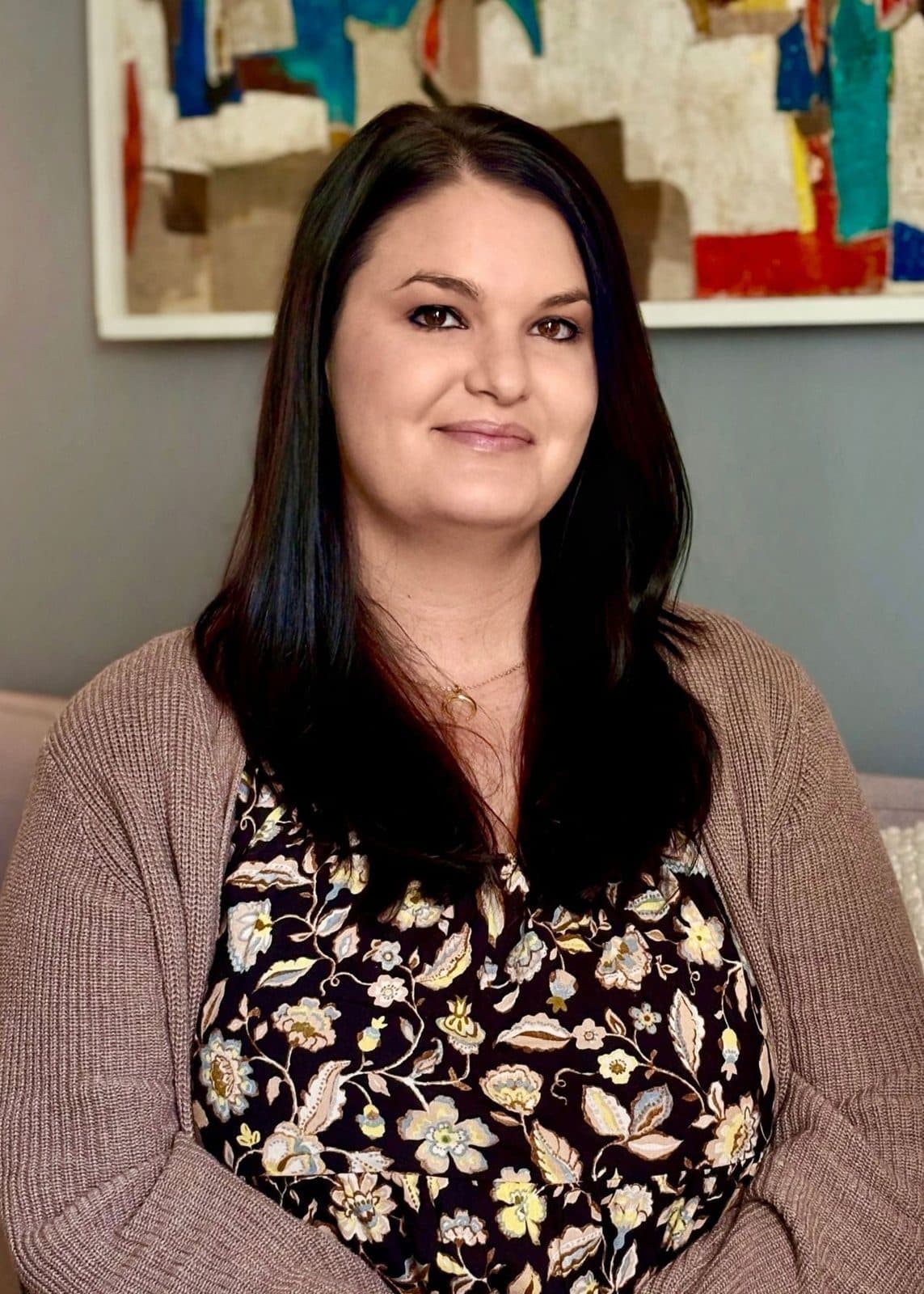
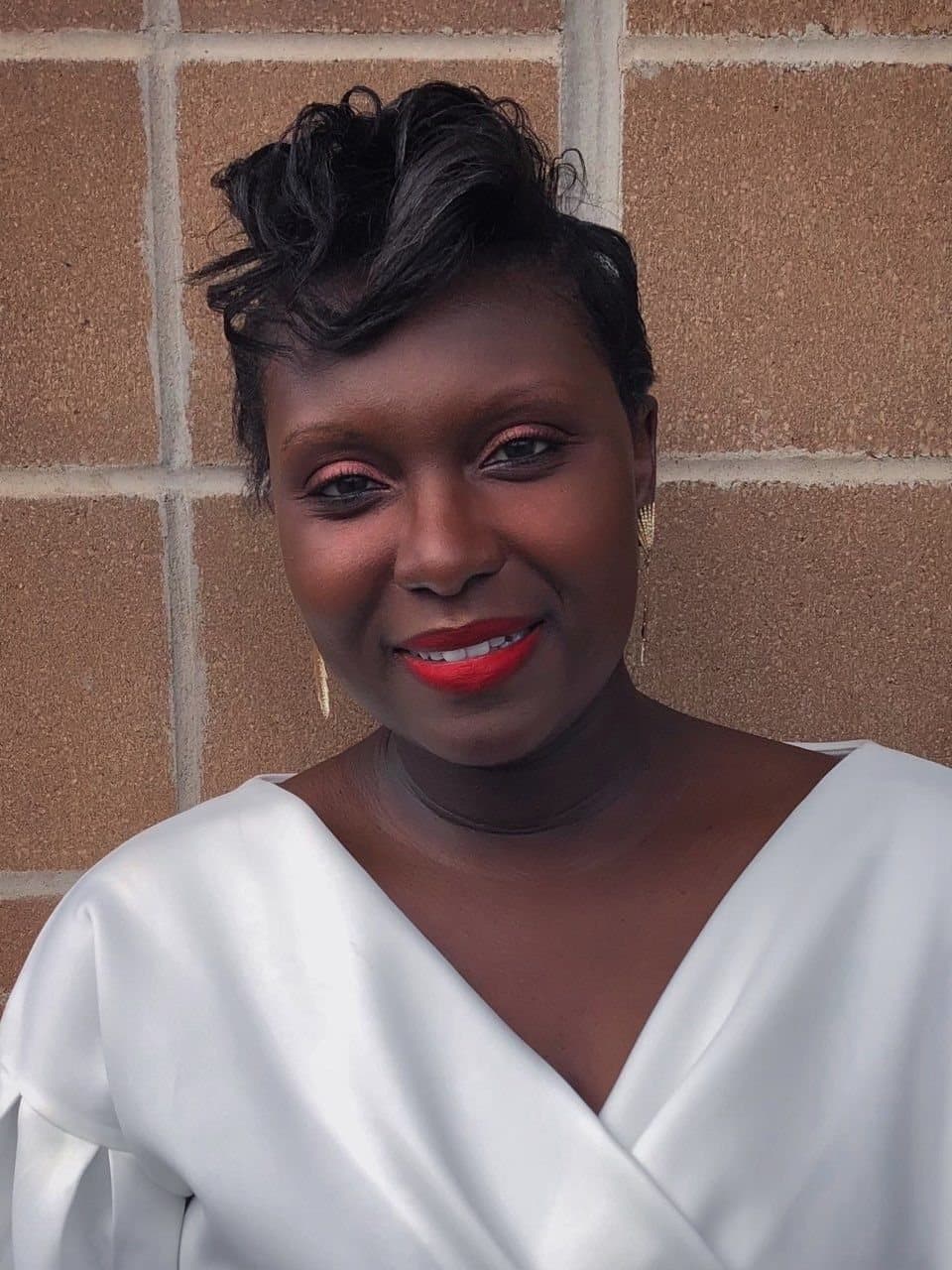
Our Topeka team includes an LGBTQIA+ specialist, a therapist focused on perinatal and postpartum care, and two autism specialists, and our whole collective is LGBTQIA+ affirming, neurodivergent-affirming, and respectful of every spiritual and cultural background. We aim for our southwest Topeka office to feel calm and unhurried. If your trauma is tied specifically to military service or a diagnosis of PTSD, our PTSD therapy page describes how we work with veterans, service members and first responders. Wherever you enter, your care is shaped around your history rather than a one-size-fits-all protocol.
what to expect
how we'll begin, together
- 1
Reach out, share only what you want
Call or email. You don’t have to describe your trauma to schedule; “I’m looking for trauma therapy” is enough.
- 2
An intake focused on safety
Your first session explores current symptoms, supports and goals. We won’t push into details you aren’t ready to share.
- 3
Stabilize and choose a method
You build grounding skills together and decide whether trauma-focused CBT, IFS, DBT skills or a referral for EMDR suits you best.
- 4
Process and integrate
As memories are processed, you practice new ways of relating, resting and responding, and notice old triggers losing their power.
clinicians in topeka
people you might work with


trauma therapy near you
visiting us in topeka
Trauma therapy in Topeka takes place at 5020 SW 28th St, Suite 204, Topeka, KS 66604, in southwest Topeka within easy reach of I-470. We serve survivors across Shawnee County, including the Washburn University community, Wakarusa, Tecumseh, Berryton and Silver Lake. If coming in person isn’t possible or doesn’t feel safe yet, you can meet with a trauma-trained clinician by secure telehealth from anywhere in Kansas.
Mon–Fri · 8 AM–9 PM · (785) 615-1995
questions
trauma therapy in topeka, answered
Still wondering about something? Call (785) 615-1995 or send us a note.
What if I’m not sure what I went through counts as trauma?
You don’t need to decide that before starting. If an experience still affects how you feel, sleep, relate or react, it’s worth exploring. Many people minimize their pain because someone else had it worse. Trauma isn’t a competition, and your therapist will help you understand your own responses without judgment.
How much does trauma therapy in Topeka cost?
With insurance, we file for you and you pay your usual copay, coinsurance or deductible; we’re in network with BCBS, Aetna, Cigna, United, Medicare, Tricare, KanCare plans and many others. Self-pay intake is $275 and a 60-minute session is $250, with a 40% discount for payment on the day of service. A Good Faith Estimate is available on request.
Do you offer EMDR in Topeka?
Not at our Topeka office. EMDR is offered by our clinicians in Lawrence, about 30 minutes east on I-70, and in Overland Park. Our Topeka therapists use trauma-focused CBT, DBT skills and Internal Family Systems, and many people heal well with those approaches. If EMDR turns out to be the best fit, we’ll help you make that connection within the collective.
Can trauma work make me feel worse before I feel better?
Sometimes, briefly. Stirring up old material can bring more dreams, emotion or fatigue for a few days. That’s why we build stabilization skills first and pace processing carefully. If you ever feel unsafe, tell your therapist. In a crisis, call or text 988 any time, or call 911 if you’re in immediate danger.
Do you offer trauma therapy for children and teens?
Yes. We work with clients from age 4 up. For younger children, trauma work often happens through play and caregiver involvement rather than talking. Teens get a confidential, respectful space, and parents get guidance on how to support healing at home without pushing.

take the first step
you don't have to carry it alone.
Tell us a little about what's going on and we'll match you with a clinician in Topeka who fits, in person or by telehealth. Most insurance accepted.