
calm, from the inside
Anxiety Therapy in Topeka, KS
“Don’t worry about it” has never once helped anyone stop worrying. What helps is understanding why your body keeps sounding the alarm, and learning, slowly and kindly, how to turn it down.
- ◦ In person in Topeka
- ◦ Telehealth across Kansas
- ◦ Most insurance accepted

Does any of this sound familiar?
- 01
You check your inbox before your feet hit the floor, and your heart rate climbs before you’ve read a single message.
- 02
A vague text like “can we talk later?” sends you spinning for hours.
- 03
You’ve pulled off the highway, or started avoiding I-70 altogether, because your chest tightened and you couldn’t catch your breath.
- 04
You over-prepare for every meeting, exam or appointment and still walk in sure you’ll get something wrong.
- 05
Your shoulders live somewhere near your ears, and headaches or stomach trouble have become background noise.
- 06
You say yes to things you dread because saying no feels even more frightening.
- 07
Lying in bed, your mind plays a highlight reel of everything that could go wrong tomorrow.
Anxiety therapy in Topeka, KS starts with a simple idea: your anxiety is not a character flaw. It is a protective system working overtime. Somewhere along the way your mind and body learned that staying on guard kept you safe, and now that vigilance runs whether you need it or not. At Mind & Body Healing Collective, we help you understand that system, respect what it has been trying to do, and teach it that it’s allowed to rest.
Maybe your worry has felt like an edge. It keeps you prepared, over-prepared, always three steps ahead. But you may also notice what it costs: the sleep you lose, the conversations you rehearse, the moments with your kids or partner that slip by because your mind is somewhere in next Tuesday. With the right support, tomorrow can become something you meet instead of something you brace against.
What anxiety actually is: an alarm, not a verdict
Anxiety is your nervous system preparing you for danger. Your heart speeds up, breathing gets shallow, muscles tense, and thinking narrows to scan for threats. That response is useful when a car swerves into your lane. It becomes painful when it fires for an email, a crowded store, or a quiet evening with nothing to distract you. Over time, the body can get stuck in a low hum of readiness that never fully switches off.
Anxiety shows up in many forms: generalized worry, panic attacks, social anxiety, health anxiety, perfectionism, performance and test anxiety, the racing worry that can arrive during pregnancy and after a baby is born, and the intrusive loops of OCD. It often travels with depression, trauma, autism, ADHD or sleep problems, and with the strain of hiding parts of who you are. Naming what you’re experiencing matters, but the label is less important than understanding your particular pattern: what sets it off, what keeps it going, and what your body is trying to tell you.
How anxiety therapy in Topeka works: body first, then mind
Many people have already tried to think their way out of anxiety, and they’re exhausted. Our approach begins by helping your body feel a little safer, because a nervous system on high alert can’t absorb new ideas very well. Early sessions often focus on grounding, breath, orienting to your surroundings, and catching the first physical signs that anxiety is building, so you can step in sooner.
From there, we get curious about the roots. For some people, anxiety grew out of an unpredictable childhood. For others, it traces back to a frightening event, years of high-pressure work, or growing up as the responsible one in the family. Understanding where the alarm came from helps it feel less random, and gives us something real to work with instead of managing symptoms forever.
- Grounding and breathing practices you can use at your desk or in the car
- Mapping your personal triggers and early warning signs
- Gently questioning catastrophic predictions with CBT tools
- Building distress tolerance with DBT skills
- Processing older experiences that taught your body to stay on guard
Therapies that help with anxiety, in plain language
Cognitive Behavioral Therapy (CBT) teaches you to catch anxious thoughts, weigh the evidence, and gradually face situations you’ve been avoiding, in small steps you choose. Mindfulness-based therapy trains attention so that a worried thought can pass through without taking over the whole afternoon. DBT skills add practical ways to ride out waves of intense feeling without making things worse. Over time, situations that once felt impossible start to feel merely uncomfortable, and then ordinary.
When anxiety is tied to past experiences, our Topeka therapists use trauma-informed talk therapy to trace where the alarm first got set. Internal Family Systems can help you befriend the anxious part of you, the one convinced it has to worry to keep you safe, rather than fighting it. For LGBTQIA+ clients, anxiety is often shaped by years of scanning for whether it’s safe to be yourself, and affirming identity work speaks to that directly. New and expecting mothers can work with a clinician who focuses on perinatal anxiety, and parents of autistic kids can get support for the worry that comes with advocating for a child every day.
Can anxiety be treated without medication?
For many people, yes. Therapy on its own can meaningfully reduce anxiety, especially when it combines skills for the present with work on the underlying causes. Some people prefer to start there, and some have tried medication before and didn’t like how it felt. Your therapist will respect that choice and help you track whether what you’re doing is actually making a difference. Progress often shows up in small ways first: an easier night’s sleep, a meeting you didn’t dread for days.
For others, anxiety is intense enough that a medication evaluation helps them get their footing. Our psychiatric nurse practitioner offers evaluations and medication management by telehealth anywhere in Kansas and can coordinate with your Topeka therapist. Using medication doesn’t mean therapy has failed, and skipping it doesn’t mean you have to white-knuckle your way through. The right mix is whatever helps you live your life.
Anxiety in a capital city: support that fits Topeka life
Topeka has its own flavor of pressure. State employees navigate legislative sessions, budget cycles and shifting leadership. Washburn students juggle classes, jobs and family expectations. Military families connected to Forbes Field live with deployments and uncertainty. People in Silver Lake, Rossville and the surrounding towns may drive a long way for any appointment at all. Whatever your version of stress, anxiety care should fit around your life, not become one more thing to worry about.
That’s why we offer in-person sessions at our southwest Topeka office, office hours from 8 AM to 9 PM on weekdays, and secure telehealth across Kansas. Some clients start in person and move to video once they have a toolkit. Others begin online because leaving the house feels like too much right now. Both are welcome here. If your workday leaves little room, ask about later appointments, keeping in mind that specific times depend on each clinician’s schedule.
what to expect
how we'll begin, together
- 1
Make first contact
Call, email or send the online request form. If picking up the phone feels hard, a short written message is completely fine.
- 2
A calm, unhurried intake
Your first 60-minute session explores what anxiety looks like for you, how it shows up in your body and days, and what relief would look like.
- 3
Build your toolkit and plan
Early sessions send you home with at least one practical skill, plus a plan that blends in-the-moment tools with deeper work.
- 4
Widen your world again
As your nervous system settles, you gradually return to the places and plans anxiety took from you, at a pace you choose.
clinicians in topeka
people you might work with


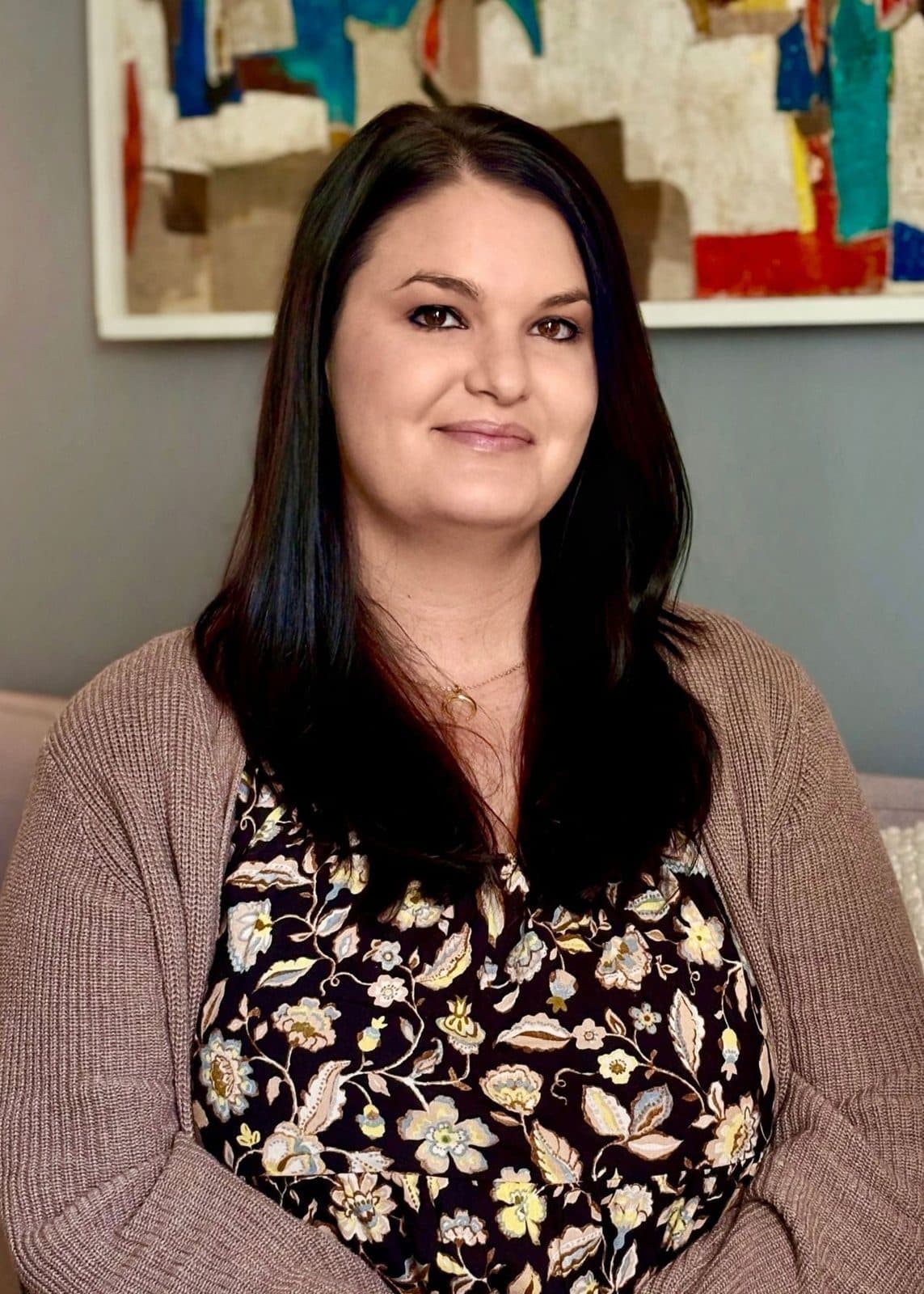
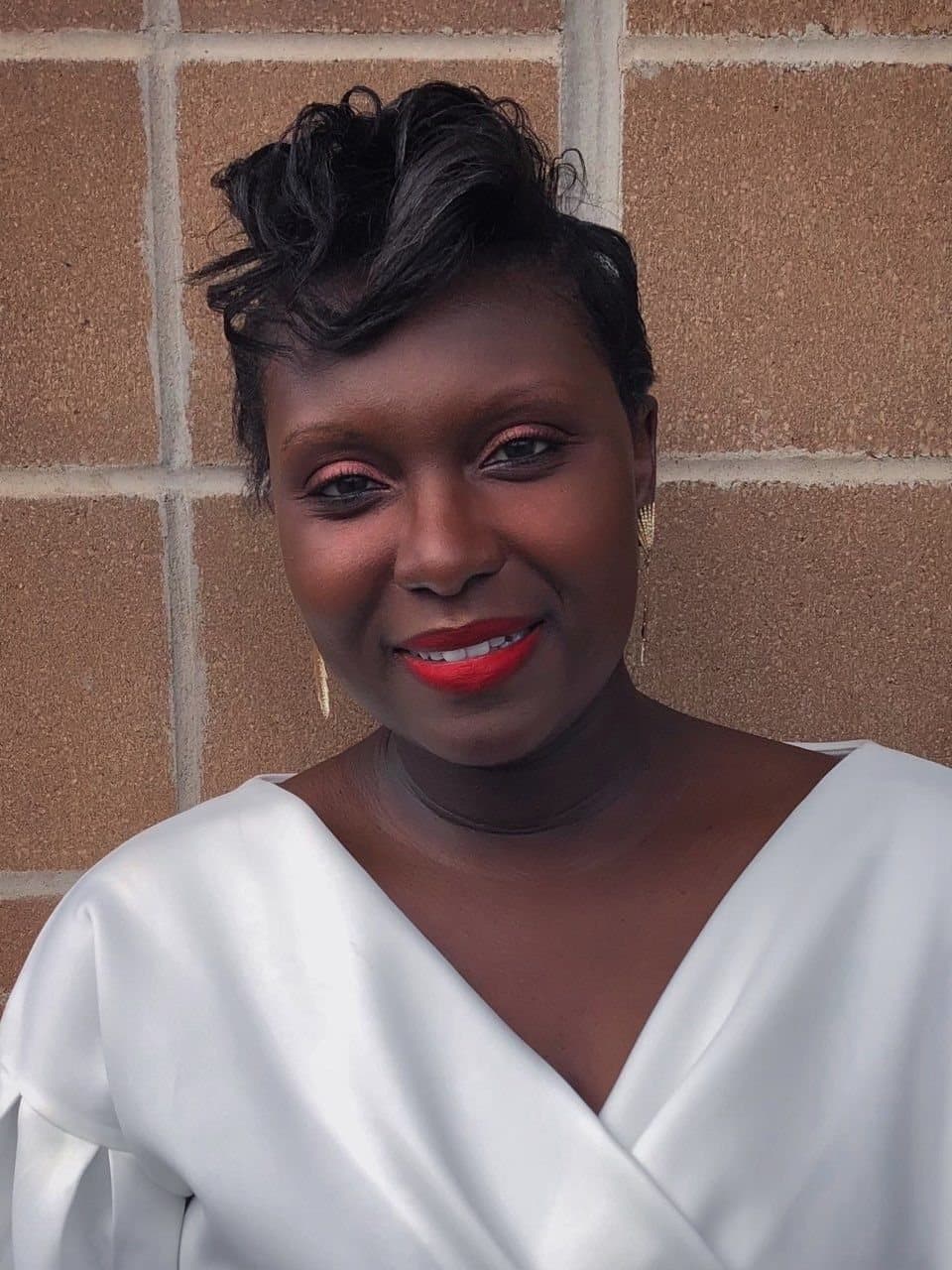
anxiety therapy near you
visiting us in topeka
Anxiety therapy is available in person at 5020 SW 28th St, Suite 204, Topeka, KS 66604, in southwest Topeka and a short drive from Washburn University. We regularly welcome people from Auburn, Wakarusa, Berryton and Silver Lake as well as Topeka itself. Prefer to stay home? Secure telehealth sessions are available anywhere in Kansas, and our Lawrence offices are just down I-70 if you split your week between the two cities.
Mon–Fri · 8 AM–9 PM · (785) 615-1995
questions
anxiety therapy in topeka, answered
Still wondering about something? Call (785) 615-1995 or send us a note.
How do I know if my anxiety is bad enough for therapy?
If anxiety is shaping your choices, costing you sleep, straining relationships or showing up in your body, it’s worth addressing. You don’t have to wait for panic attacks or a breakdown. Many people start therapy simply because they’re tired of living braced for impact, and early support is usually easier than untangling years of avoidance later.
Is anxiety therapy in Topeka covered by insurance?
Usually, yes. We’re in network with plans including Blue Cross Blue Shield of Kansas and Kansas City, Aetna, Cigna, United Commercial, UMR, Humana Medicare, Medicare, Tricare and KanCare plans, and we file claims for you. If you prefer self-pay, a 60-minute session is $250, with a 40% discount when you pay on the day of service.
What happens if I have a panic attack during a session?
Then we work with it, gently. Your therapist will help you slow your breathing, notice the room around you and ride the wave until it passes. Many clients find that having panic in a safe space, with someone steady beside them, is one of the most useful parts of treatment, because it proves the feeling can crest and fall.
How long does anxiety treatment take?
It varies. Some people notice relief within the first several weeks as they learn grounding and thinking skills. When anxiety has deep roots in trauma or long-standing patterns, therapy often continues for several months or longer. You and your therapist will check in regularly about progress, and you’re always part of the decision about pacing.
Do you help children and teens with anxiety?
Yes, we see clients from age 4 up. Children’s anxiety often looks like stomachaches, clinginess, meltdowns or school refusal rather than worry talk, so our clinicians use play, movement and simple calming tools alongside parent support. Our two autism specialists also help autistic kids and their families sort out what is anxiety and what is sensory overwhelm. Teens get a confidential space to talk about pressure, friendships, identity and the constant hum of social media.

take the first step
you don't have to carry it alone.
Tell us a little about what's going on and we'll match you with a clinician in Topeka who fits, in person or by telehealth. Most insurance accepted.