
feelings as guides
Emotion-Focused Therapy at Mind & Body Healing Collective
You may have spent years managing, hiding or apologizing for your feelings. What if they’ve been trying to tell you something important all along?
- ◦ In person in Lawrence, Overland Park or Topeka
- ◦ Telehealth across Kansas
- ◦ Most insurance accepted

approaches we use
- Emotion-Focused Therapy
- Attachment-Based Therapy
- Psychodynamic Therapy
- Internal Family Systems
- CBT
You might recognize yourself here
- 01
You go numb or crack a joke whenever a conversation turns serious.
- 02
Anger comes out fast, and only later do you realize you were actually hurt or scared.
- 03
You and your partner keep having the same fight about dishes that is never really about dishes.
- 04
You grew up believing tears were weakness, and you’re still paying for it.
- 05
You can describe your feelings in impressive detail but still don’t know what to do with them.
- 06
Old shame floods your chest whenever someone seems disappointed in you.
- 07
You long for closeness, then pull away the moment it arrives.
Emotion-focused therapy begins from a hopeful premise: your emotions aren’t the problem. They carry information about what you need, what matters to you and what hurts. When feelings get tangled, buried or overwhelming, they stop working as a compass and start feeling like a storm. Emotion-focused therapy, often called EFT, helps you slow down and listen to them again.
At Mind & Body Healing Collective, our clinicians in Lawrence, Overland Park and Topeka, and by telehealth, use emotion-focused and attachment-based approaches with individuals and couples. Rather than teaching you to override feelings with logic, we help you get curious about them, trace them to the deeper needs underneath, and express those needs in ways that bring you closer to yourself and the people you love. Emotions stop being enemies and start becoming messengers.
Emotions as Information, Not Enemies
Emotion-focused therapy grew out of research on how people actually change in therapy. One of its key insights is that feelings come in layers. There’s often a reactive surface emotion, such as irritation, defensiveness or shutting down, sitting on top of something more tender, like grief, fear of being left or a longing to be seen. Therapy helps you notice those layers and reach the one that carries the most useful information.
EFT also distinguishes between emotions that help you and emotions that keep you stuck. Healthy sadness helps you let go; healthy anger helps you set limits. But old, painful feelings, like the shame of never being enough, can loop without resolution. A core principle of this work is that you change an emotion by experiencing something new alongside it, such as self-compassion meeting old shame, rather than by arguing it away.
What Happens in an Emotion-Focused Session
EFT sessions tend to move more slowly than people expect. Your therapist will often pause on a moment, like a catch in your voice, a sigh or a shift in posture, and invite you to stay with it. The goal isn’t to dig for pain. It’s to let a feeling complete its natural arc so it can finally change shape.
Depending on what you’re working on, your therapist may draw on techniques such as:
- Focusing on your bodily felt sense to find words for vague or confusing feelings
- Two-chair dialogues between a critical part of you and the part that gets criticized
- Empty-chair work to say what never got said to someone who hurt you or is gone
- Tracking the moment-to-moment shift from a reactive feeling to the need beneath it
- Practicing new ways to express needs, first in session and then in your relationships
Emotion-Focused Therapy for Couples
When EFT is used with couples, attention shifts to the pattern between you. Most distressed couples get caught in a cycle: one partner pursues, criticizes or protests, while the other withdraws, defends or goes quiet. Each move makes sense from the inside, and each one triggers the other. Emotion-focused couples work helps you see the cycle itself as the shared problem, instead of each other.
Beneath the cycle are attachment questions: Do I matter to you? Can I count on you? Will you be there when I need you? As those needs become safe to name, partners often soften toward one another. The work moves from calming conflict, to new and more vulnerable conversations, to a relationship that feels like a secure base. We welcome couples of all genders, orientations and relationship structures, including partners who are rebuilding trust after a betrayal or feeling like roommates after years of drifting apart.
What Is the Difference Between Emotion-Focused Therapy and CBT?
Both are well established, but they start from different places. Cognitive behavioral therapy focuses mostly on identifying and changing unhelpful thoughts and behaviors, and it’s often a great fit for building concrete skills. Emotion-focused therapy works more directly with emotional experience itself, on the understanding that lasting change happens when feelings are accessed, understood and transformed, not only reasoned with.
Neither is better across the board. Many of our clinicians blend them, using CBT or DBT skills to steady intense moments and emotion-focused work to heal what sits underneath. Some also draw on related relational approaches, including attachment-based therapy and Accelerated Experiential Dynamic Psychotherapy (AEDP), which likewise treat emotion and connection as engines of change. Your therapist will talk with you openly about which blend suits your goals and adjust it as therapy unfolds.
Finding an Emotion-Focused Therapist at Our Collective
Our team across Lawrence, Overland Park and Topeka includes clinicians who focus on attachment, emotion and relationships, including a licensed marriage and family therapist and counselors who see individuals, couples and families. When you reach out, we consider whether you’re looking for individual or couples work, your schedule, your insurance and any identity or relationship needs that matter to you, then match you with someone whose style fits.
Emotion-focused sessions happen in person at any of our four offices, and many couples also meet by telehealth from home, which can make it easier to fit therapy around work, kids and busy evenings. Either way, the heart of the work is the same: making it safe to feel, so you can reach for what you truly need.
what to expect
how we'll begin, together
- 1
Say hello
Call, email or request an appointment, and tell us whether you’re looking for individual emotion-focused work or support as a couple.
- 2
First session
Your intake explores what’s been happening, the feelings that keep recurring and, for couples, the pattern you both get caught in and how each of you experiences it.
- 3
A shared map
Your therapist offers a working picture of the emotional cycle or core pain at the center of things, and you agree together on where to begin.
- 4
Deepen and consolidate
Sessions move toward new emotional experiences and conversations, then focus on making those changes last, including how you repair after conflict.
clinicians across the collective
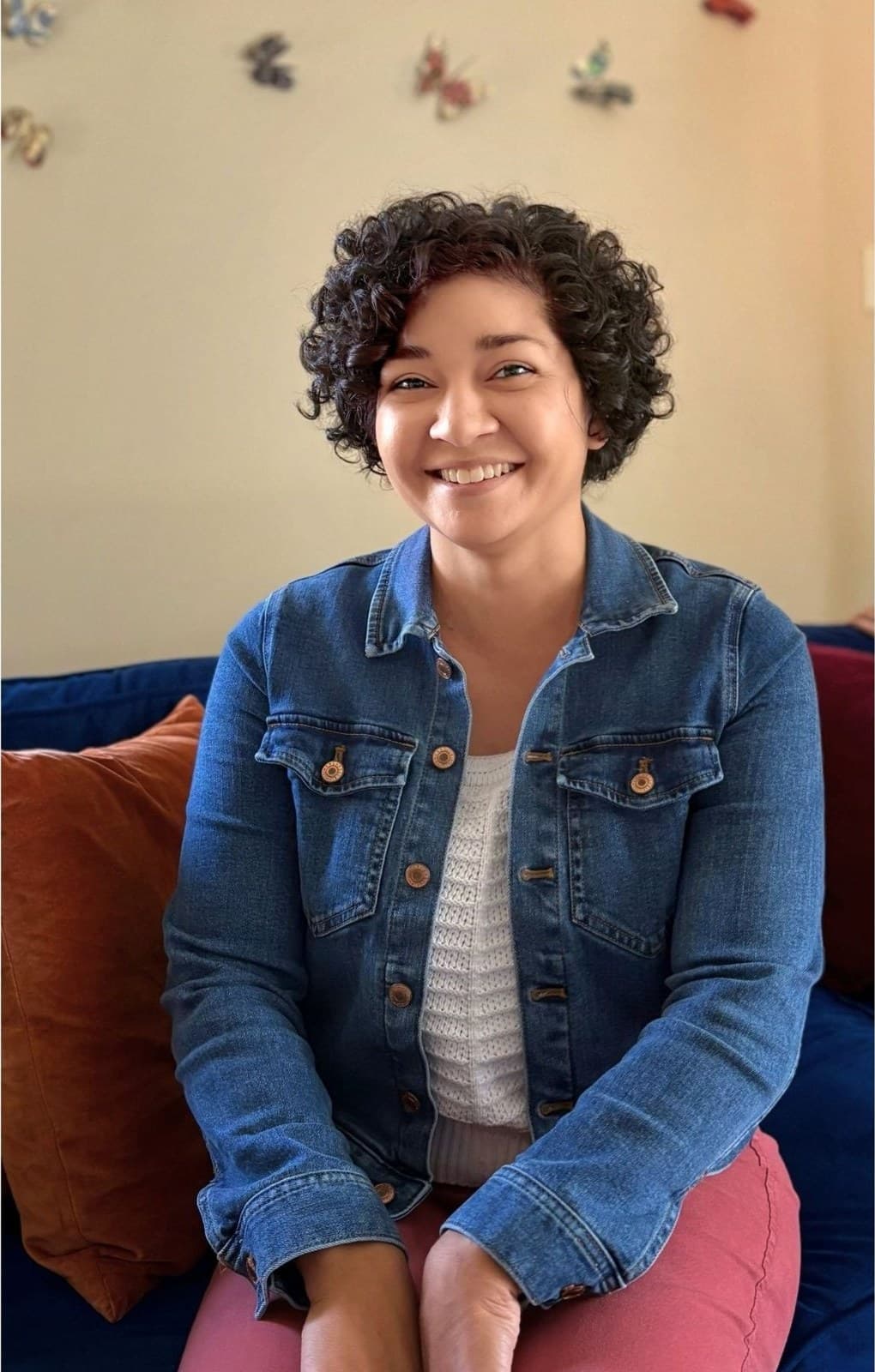
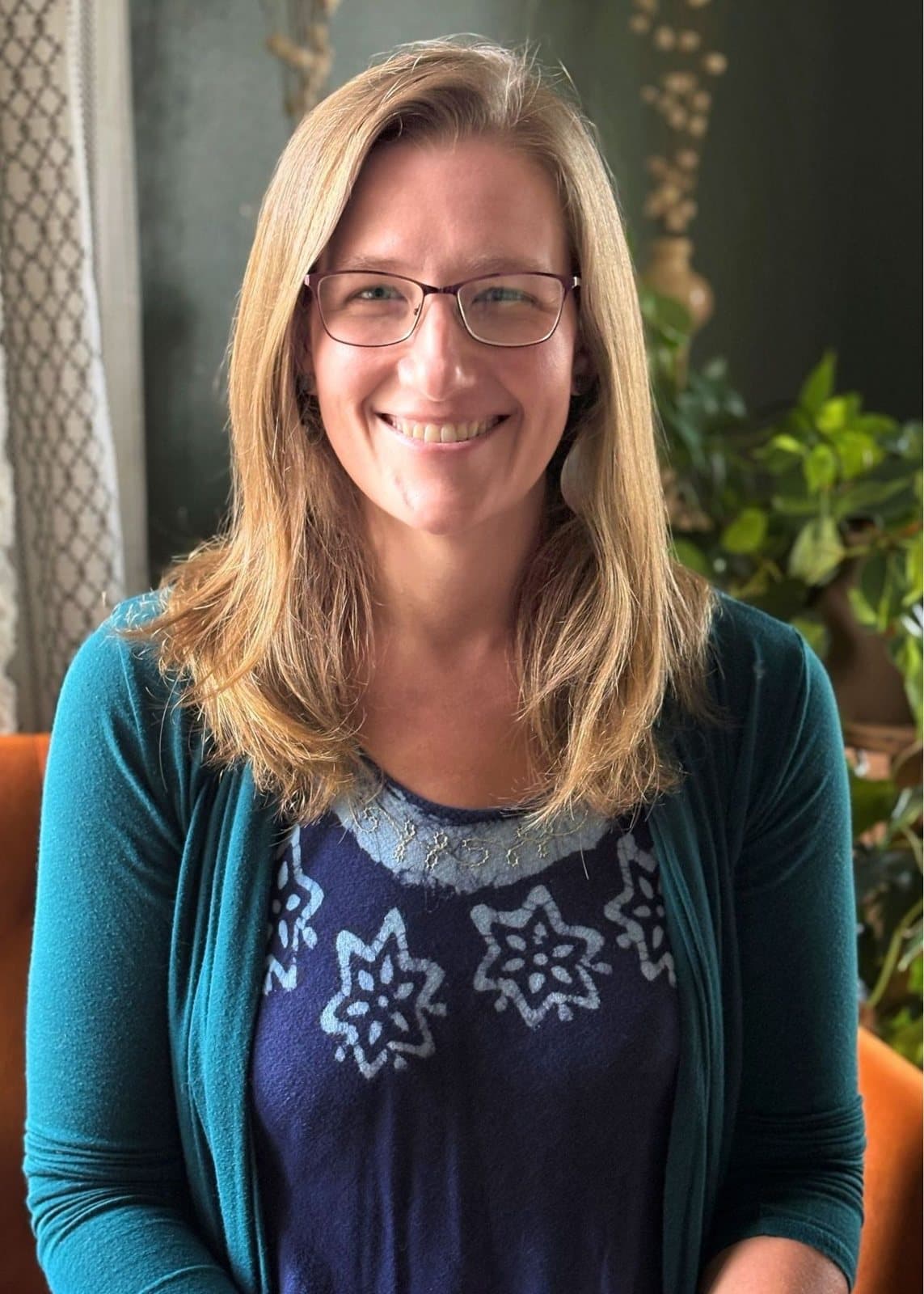
people you might work with


emotion-focused therapy near you
four offices, plus telehealth
Emotion-focused sessions take place at all four of our Kansas offices: our headquarters at 2619 W 6th St, Suites A & C, in west Lawrence; 616 Kentucky St, a quiet house a few blocks from downtown Lawrence; 10100 W 87th St, Suite 204, in Overland Park’s Mark One Building; and 5020 SW 28th St, Suite 204, in Topeka. When evenings are packed, emotion-focused therapy also works well over secure telehealth in Kansas, Missouri, Washington and Florida, depending on clinician licensure.
Mon–Fri · 8 AM–9 PM · (785) 615-1995
questions
emotion-focused therapy, answered
Still wondering about something? Call (785) 615-1995 or send us a note.
Is emotion-focused therapy covered by insurance?
Individual emotion-focused therapy is billed as psychotherapy and is often covered. Couples sessions can be handled differently depending on your plan, so it’s worth asking your insurer about couples or family therapy benefits. We’re in network with plans including BCBS, Aetna, Cigna, United and Tricare, and we submit the paperwork on your behalf. Self-pay sessions are $175 for 45 minutes or $250 for 60 minutes.
Will I have to cry or fall apart in session?
No. Emotion-focused therapy doesn’t require dramatic displays of feeling, and your therapist won’t push you past what feels manageable. For many people, the work is quieter: noticing a tightness, naming a feeling for the first time, letting a sigh happen. Tears are welcome when they come, and so are silence and humor.
Can I do emotion-focused therapy if my partner won’t come?
Yes. Individual EFT can help you understand your part in a relationship pattern, heal attachment wounds from earlier relationships, and learn to express needs more clearly. Often, when one person changes how they show up, the whole dynamic begins to shift. If your partner becomes interested later, we can talk about adding couples sessions.
Does emotion-focused therapy help people who feel emotionally shut down?
It’s often a strong fit. If you grew up in a home where feelings were ignored or punished, you may have learned to cut them off for very good reasons. EFT begins gently, helping you notice small signals in your body and build tolerance for feeling at a pace that respects why you shut down in the first place.
How long does emotion-focused couples therapy take?
It varies with how long a pattern has been in place and what the relationship has weathered, including affairs or major losses. Some couples feel less reactive within the first stretch of sessions, while deeper repair takes longer. Your therapist will check in regularly about what’s changing so you can make informed decisions about pacing.
Do you offer emotion-focused therapy for LGBTQIA+ and non-monogamous couples?
Yes. Attachment needs are universal, and emotion-focused work adapts well to queer couples, trans and nonbinary partners, and ethically non-monogamous or polyamorous relationships. Our practice is LGBTQIA+, ENM and kink-affirming, so you won’t need to explain or defend your relationship structure before getting help with it.

take the first step
you don't have to carry it alone.
Tell us a little about what's going on and we'll match you with a clinician who fits, in person or by telehealth. Most insurance accepted.