
forward-looking support
Mental Health Coaching in Lawrence, KS
Sometimes what you need isn’t another hour unpacking the past. You need someone in your corner who helps you decide what’s next, and then checks that you actually did it.
- ◦ In person in Lawrence
- ◦ Telehealth across Kansas
- ◦ Most insurance accepted

approaches we use
- Health and wellness coaching
- Motivational interviewing
- Stages-of-change model
- Mindfulness-Based Therapy
- Ketamine-Assisted Psychotherapy
You might be a fit for coaching if…
- 01
You know what you want to change and keep not changing it, and you’d like someone to help you follow through.
- 02
You’re between chapters, whether after graduation, a job change, a breakup or a move, and want help choosing a direction rather than drifting into one.
- 03
Therapy or a ketamine session gave you a real insight, and you want help turning it into daily habits instead of a memory.
- 04
Your nervous system runs hot, and you want grounding practices you’ll actually use, not just read about.
- 05
You don’t feel like you need therapy, but you do want a dedicated hour each week or two for your own growth.
- 06
You’re already in therapy and want extra, action-oriented support between sessions.
- 07
You’re curious about mindfulness, ritual or creative practice as tools for well-being and want a guide who takes them seriously.
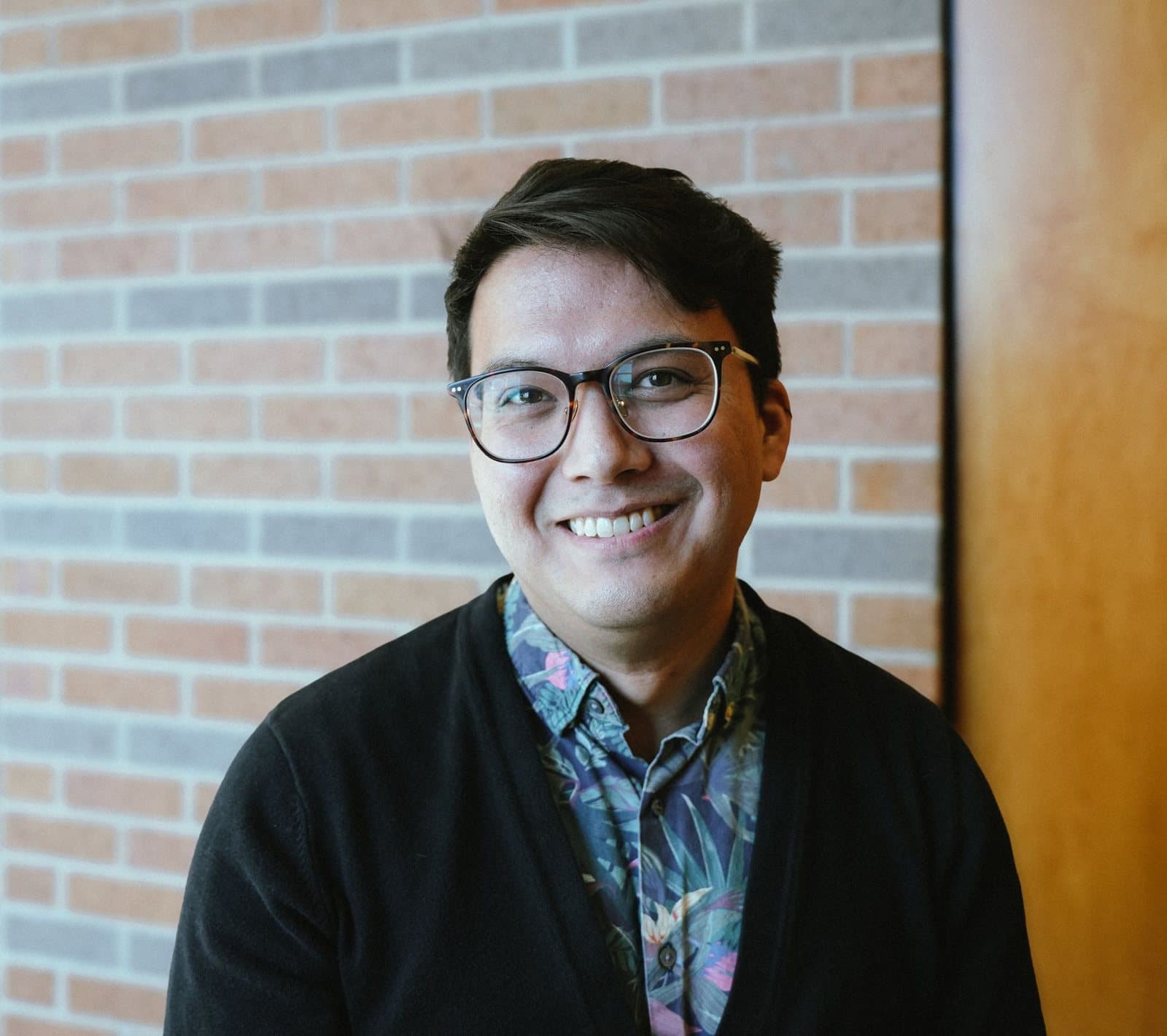
Mental health coaching at Mind & Body Healing Collective is practical, forward-looking support for people who want to build better habits, find direction and feel steadier in their own nervous system. Coaching is offered by Ian Cook, our holistic healer and mental health and psychedelic guide, in person at our Lawrence offices and by video. It’s a different kind of relationship than therapy: less about diagnosis and treatment, more about where you want to go and what’s getting in the way of getting there.
A coaching session tends to be active. You might map out a goal and the smaller steps that lead to it, practice a grounding technique you can use before a hard conversation, or talk through an insight that surfaced in therapy, in meditation or during a ketamine session and decide how to live it out this week. Ian draws on training in health and wellness coaching, motivational interviewing and the stages-of-change model, along with more than a decade of peer support and creative practice, to help you build a personal system of well-being that fits your real life.
Coaching is not psychotherapy, and Ian is not a licensed therapist. It isn’t billed to insurance, and it isn’t a substitute for treatment of a mental health condition. For many people, though, it’s exactly the right amount of support: alongside therapy with one of our licensed clinicians, or on its own for someone who doesn’t need or want therapy right now but wants structure, accountability and a thoughtful guide.
What Mental Health Coaching Is (and Isn’t)
Coaching starts from the assumption that you’re capable and resourceful, and that what you need is clarity, structure and someone to walk beside you. Sessions focus on goals, habits and the practical work of change: what you’ll do this week, what got in the way last week and what you learned from it. Ian also brings a holistic lens, so conversations often touch on sleep, movement, creativity, community and meaning, not just task lists.
What coaching doesn’t do is diagnose or treat a mental health condition. If you’re dealing with depression, an anxiety disorder, trauma symptoms, an eating disorder or thoughts of self-harm, you deserve care from a licensed clinician, and our intake team will help you find one. Coaching can still be part of the picture, but it shouldn’t be the whole plan. Being clear about this line protects you, and it’s something we take seriously.
- Goal-setting and accountability, with check-ins on what you actually did
- Habit design: sleep, movement, screen time, creative practice, routines that stick
- Nervous-system and grounding practices for stress, overwhelm and transitions
- Integration of insights from therapy, meditation, psychedelic or ketamine sessions
- Life direction: values, decisions, next steps when the path isn’t obvious
Coaching Alongside Therapy
Many people at our collective work with a licensed therapist and a coach at the same time, and the two roles complement each other well. Therapy is where you go deep: history, patterns, trauma, the roots of things. Coaching is where you go forward: this week’s plan, the practice you’re building, the conversation you’ve been avoiding. With your permission, Ian and your therapist can coordinate so that what you’re uncovering in one room gets put into practice in the other.
This pairing is especially common in our SomaVerse ketamine-assisted psychotherapy program, where Ian serves as a guide. A ketamine session can bring up vivid insights that fade quickly without follow-through. Coaching gives those insights somewhere to land: a specific practice, a boundary, a creative project, a next step. The same is true after a meaningful stretch of therapy, when you feel better and want to make sure it lasts.
Coaching on Its Own
Not everyone who walks through our door needs therapy. Some people are functioning well and simply want a dedicated space to work on their lives with intention: a career pivot, a creative block, a habit they’ve been meaning to build, a sense that their days could feel more like their own. For them, coaching can stand alone. There’s no diagnosis required and no treatment plan, just a clear agreement about what you want to work toward and how you’ll know you’re getting there.
If along the way something surfaces that calls for therapy, Ian will say so plainly and help you connect with a clinician on our team. Coaching and therapy aren’t in competition. They’re different tools, and part of a coach’s job is knowing which one you need.
Ian’s Approach: Grounded and Creative
Ian Cook is the founder of Alva Dean Consulting and the Lawrence Psychedelic Society, and he sits on the NAMI Douglas County Steering Committee. His coaching blends clinical insight, holistic practice and lived experience. He has spent more than ten years teaching creative expression and providing peer support, and he’s trained in health and wellness coaching, motivational interviewing, the transtheoretical (stages-of-change) model, trauma-informed care and psychedelic facilitation.
In practice, that means sessions can be as structured or as expansive as you need. Some weeks are about a calendar and a checklist. Other weeks involve storytelling, ritual, breath or a creative exercise that helps you see a stuck place differently. Ian describes healing as a creative, collaborative act, and coaching with him tends to feel like that: two people building something together, with you holding the pen.
what to expect
how we'll begin, together
- 1
Reach out and tell us what you’re after
Call (785) 615-1995, email contact@mbhealingcollective.org or use our online form and mention coaching. Our intake team will help you decide whether coaching, therapy or both is the right starting point.
- 2
A first conversation with Ian
You’ll talk through what you want to change, what you’ve tried and what support would help. Together you’ll set a few clear goals and agree on how often to meet.
- 3
Practice, check in, adjust
Sessions happen in person in Lawrence or by video. Between meetings you practice; at each session you review what worked, what didn’t and what comes next.
- 4
Build something that lasts
As habits take hold and direction clarifies, sessions can space out. The goal is a system of well-being you can run on your own, with a guide to return to when you need one.
clinicians across the collective
people you might work with
mental health coaching near you
lawrence, plus telehealth
Coaching with Ian Cook is offered in Lawrence at our headquarters, 2619 W 6th St, Suites A & C, in west Lawrence, and at 616 Kentucky St, a quiet house a few blocks from downtown, where SomaVerse workshops and retreats are also held. Video coaching is available for clients across Kansas and beyond. Our Overland Park office at 10100 W 87th St, Suite 204, and our Topeka office at 5020 SW 28th St, Suite 204, offer therapy and psychiatric care, and clients there are welcome to add coaching by video.
Mon–Fri · 8 AM–9 PM · (785) 615-1995
questions
mental health coaching, answered
Still wondering about something? Call (785) 615-1995 or send us a note.
Is mental health coaching the same as therapy?
No. Therapy is provided by a licensed clinician and involves assessment, diagnosis and treatment of mental health conditions. Coaching is forward-looking support for goals, habits, grounding and life direction, provided by Ian Cook, who is not a licensed therapist. If you have a mental health condition, coaching can complement therapy but shouldn’t replace it, and our intake team will help you choose.
How much does coaching cost, and does insurance cover it?
Coaching isn’t psychotherapy, so it isn’t billed to insurance and you’ll pay for it directly. Rates depend on session length and how often you meet; ask us about coaching rates when you call or email and we’ll walk you through the options before you commit to anything.
Can I do coaching and therapy at the same time?
Yes, and many clients do. Therapy tends to look back and inward, while coaching looks forward and outward, and they tend to reinforce each other. With your written permission, Ian and your therapist can coordinate so the insights from one setting become practices in the other.
Do I need to be in therapy to work with Ian?
No. Coaching can stand on its own for people who don’t need or want therapy right now. During your first conversation, Ian and our intake team will make sure coaching is appropriate for what you’re bringing. If it becomes clear that therapy would serve you better, we’ll help you connect with a licensed clinician on our team.
Is coaching confidential?
Yes. What you share in coaching stays between you and Ian, with the same exceptions that apply to any helping relationship, such as risk of serious harm. Nothing is shared with your therapist or anyone else unless you ask for that coordination in writing.
Is coaching available by video?
Yes. Ian offers coaching in person at our Lawrence offices and by secure video, so you can meet from home, work or wherever you have privacy. Many clients mix formats, coming in when they can and meeting online when life gets busy.

take the first step
you don't have to carry it alone.
Tell us a little about what's going on and we'll match you with a clinician who fits, in person or by telehealth. Most insurance accepted.