
facing fear, gently
Exposure Therapy at Mind & Body Healing Collective
Avoidance makes sense. It brings relief in the moment. But over time, the list of things you avoid can quietly grow until your world feels smaller than you want it to be.
- ◦ In person in Lawrence, Overland Park or Topeka
- ◦ Telehealth across Kansas
- ◦ Most insurance accepted

approaches we use
- Exposure and Response Prevention
- CBT
- EMDR
- Somatic Therapy
- Mindfulness-Based Therapy
- Telehealth
You might recognize yourself here
- 01
Intrusive thoughts send you into checking, washing, counting or seeking reassurance, and the relief never lasts.
- 02
A fear of flying, driving, needles, animals or heights is shaping where you go and what you do.
- 03
You’ve started avoiding places where a panic attack once happened, just in case.
- 04
Social situations feel so exposing that you skip them, then feel lonely and frustrated with yourself.
- 05
You steer clear of anything that reminds you of a painful event, and that list keeps getting longer.
- 06
You understand logically that your fear is out of proportion, but your body doesn’t seem to care.
- 07
Rituals or safety behaviors take up time and energy you’d rather spend living.
Exposure therapy at Mind & Body Healing Collective, offered in Lawrence, Overland Park and Topeka and by telehealth, helps people step back toward the situations, sensations, thoughts and memories that fear has taught them to avoid. It’s one of the most effective, well-studied approaches for OCD, phobias, panic and many forms of anxiety, and trauma-focused versions can help when painful memories keep life on hold. The goal isn’t to make you fearless. It’s to help you live more freely, even when fear shows up.
If the word “exposure” makes your stomach drop, you’re not alone. Many people picture being thrown into their worst fear and told to tough it out. That’s not how we work. Exposure here is gradual, collaborative and built on your consent at every step. You and your therapist plan each step together, starting with something challenging but manageable, and you always have a say in what happens next.
Exposure also sits within a broader, whole-person approach at our collective. Before you face anything difficult, we make sure you have ways to steady your body and mind. Along the way, we may weave in mindfulness, somatic tools, CBT or self-compassion practices so the work feels supported rather than grueling. A few of our clinicians have specialized training in exposure and response prevention and trauma-focused exposure, and our intake process helps match you with someone whose experience fits your needs.
Why Facing Fear Helps
Fear is designed to protect us, and avoidance is how it does its job. The trouble is that every time we avoid something, our brain files away a quiet lesson: “That was dangerous, and I only survived because I escaped.” The fear never gets the chance to be proven wrong, so it stays strong or even grows. Over time, more and more of life can start to feel off limits.
Exposure therapy works by giving your brain new experiences. When you approach a feared situation in a planned, supported way and stay with it long enough, you learn something avoidance never allows: that the discomfort rises and falls, that you can handle more than you thought, and that the feared outcome often doesn’t happen. These new lessons don’t erase the old fear overnight, but with practice they become stronger than it.
Exposure and Response Prevention for OCD
Exposure and response prevention, or ERP, is a specialized form of exposure therapy for OCD. OCD tends to run on a painful loop: an intrusive thought or doubt sparks intense distress, and a compulsion, whether visible like checking or hidden like mental reviewing, brings brief relief. That relief teaches the brain to repeat the cycle, again and again.
In ERP, you gradually approach the thoughts and situations that trigger your OCD while practicing not doing the compulsion that usually follows. Your therapist helps you build a step-by-step plan, often called a hierarchy, so you begin with something manageable and work upward at a pace you agree to. ERP takes courage, and your therapist will be right there with you, explaining the reasons behind each step and adjusting whenever something feels like too much. ERP is often used with:
- Contamination fears and washing or cleaning rituals
- Checking, repeating and “just right” urges
- Harm, sexual or religious intrusive thoughts
- Relationship and health doubts that drive reassurance seeking
- Mental compulsions like reviewing, counting or praying to undo a thought
Exposure for Phobias, Panic and Social Anxiety
For specific phobias, exposure might mean looking at pictures of what you fear, then watching videos, then gradually being near it in real life. For panic, it can include interoceptive exposure: safely bringing on sensations like a racing heart or dizziness so they stop feeling like a catastrophe. For social anxiety, it often means practicing small, real-world steps like making a phone call, speaking up in a group or tolerating a moment of awkwardness.
Some exposure happens in session, and some happens between sessions as practice you plan together. Imaginal exposure, where you vividly picture a feared scenario, can be useful when real-life practice isn’t practical. Throughout, you’ll learn to notice and ride out discomfort rather than fight it, and many clients find that mindfulness and body-based grounding make that much easier.
Trauma-Focused Exposure, at Your Pace
For some people living with post-traumatic stress, trauma-focused exposure can help reduce the power of painful memories and reminders. This might involve gradually revisiting the memory in a structured way, or slowly reengaging with places and activities you’ve avoided since the event. The aim is for the memory to feel like something that happened in the past, rather than something that keeps happening now.
Trauma work requires extra care. We start by building stability and grounding skills, and we never push you into material before you’re ready. Exposure is one of several trauma approaches at our collective, alongside EMDR, somatic therapy and Internal Family Systems. During intake and early sessions, your therapist will talk honestly with you about which approach, or which combination, makes the most sense for you.
Consent, Collaboration and Choice
Exposure therapy only works well when you trust the process and the person guiding it. That’s why every step is discussed and agreed on in advance. You’ll know what you’re practicing, why it matters and how long it will last. You can ask questions, suggest changes and say no. A good exposure plan stretches you without overwhelming you, and if a step turns out to be too big, we simply break it into smaller ones.
Exposure therapy isn’t emergency care. If fear, OCD or trauma symptoms ever bring thoughts of suicide or leave you feeling unsafe, please call or text 988 right away, any time of day or night.
what to expect
how we'll begin, together
- 1
Reach out
Call (785) 615-1995 or send an appointment request, and mention that you’re interested in exposure therapy or ERP so we can match you thoughtfully.
- 2
Intake and matching
Your first appointment explores your fears, avoidance patterns and goals, and helps us pair you with a clinician whose training fits what you’re facing.
- 3
Preparation and planning
You’ll learn grounding skills, understand how exposure works and build a step-by-step plan together, beginning with something manageable.
- 4
Practice and progress
Sessions move gradually through your plan, with practice between appointments and regular check-ins about what’s getting easier and what needs adjusting.
clinicians across the collective
people you might work with



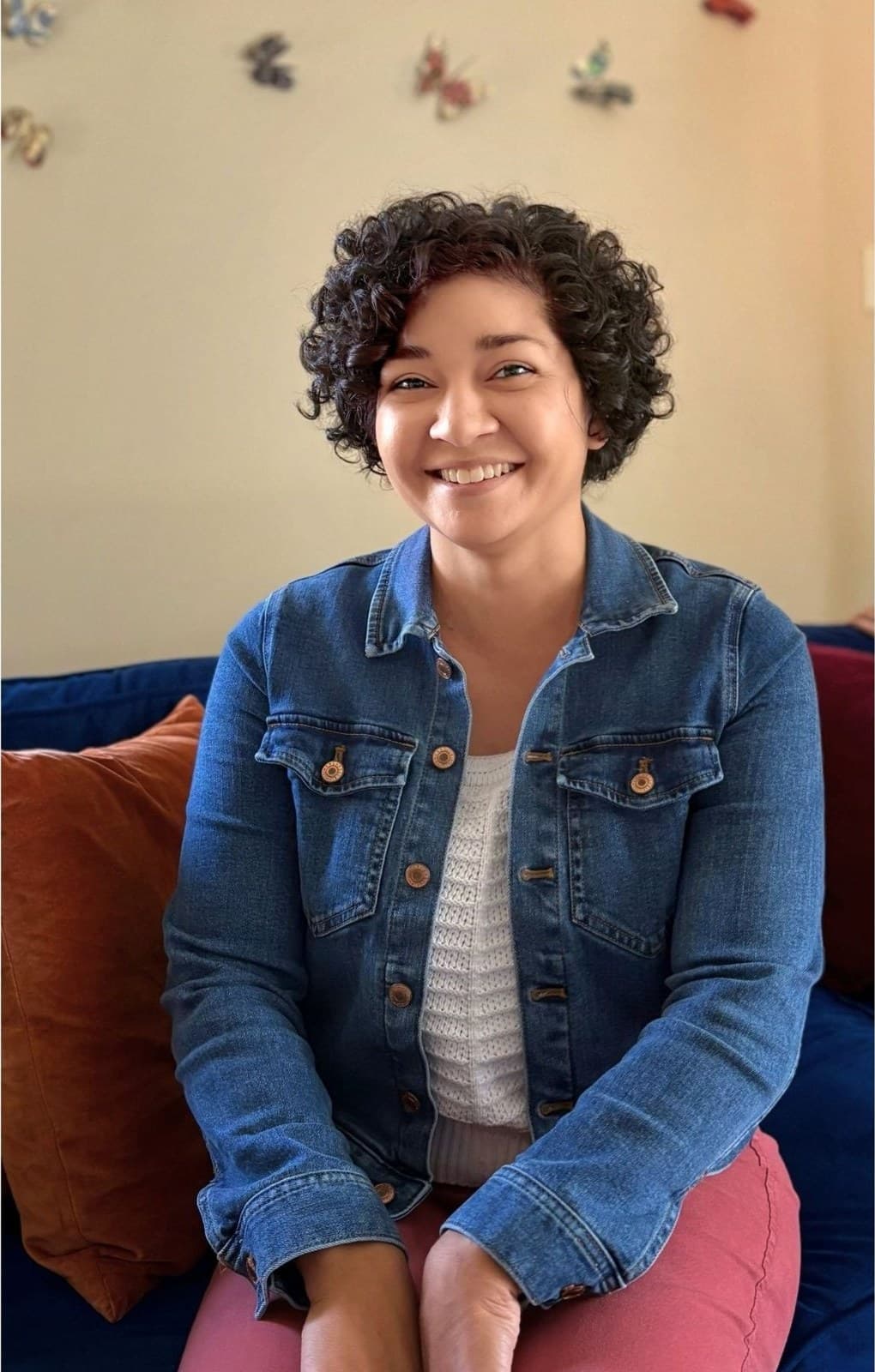
exposure therapy near you
four offices, plus telehealth
Exposure therapy is offered across our four Kansas offices: our headquarters at 2619 W 6th St, Suites A & C, in west Lawrence; 616 Kentucky St, a quiet house a few blocks from downtown Lawrence; 10100 W 87th St, Suite 204, in Overland Park’s Mark One Building; and 5020 SW 28th St, Suite 204, in Topeka. Telehealth can be especially useful for exposure work, since practicing at home or in your own neighborhood brings the skills right into daily life. Secure telehealth is available in Kansas, Missouri, Washington and Florida, depending on clinician licensure.
Mon–Fri · 8 AM–9 PM · (785) 615-1995
questions
exposure therapy, answered
Still wondering about something? Call (785) 615-1995 or send us a note.
Will I be forced to face my worst fear right away?
No. Exposure therapy here is gradual and consent-based. You and your therapist build a plan together, starting with steps that feel challenging but doable, and you always have a say in when and how you move forward. Nothing happens without your agreement, and slowing down is always an option.
Does insurance cover exposure therapy and ERP?
Exposure therapy and ERP take place within regular psychotherapy sessions, so they’re generally billed like any other therapy visit. We’re in network with many plans, including Blue Cross Blue Shield, Aetna, Cigna, United, Medicare, Tricare and KanCare, and we file claims for you. Self-pay rates are $275 for the intake and $250 for a 60-minute session, with a 40% discount when you pay on the day of service.
Do you offer an intensive ERP program?
We provide exposure therapy and ERP within regular outpatient sessions rather than as an intensive, ERP-only program. If you’re looking for a more intensive level of care, mention it when you reach out. We’ll talk honestly about fit and, if a different setting would serve you better, help you think through next steps.
Will exposure therapy make my anxiety worse?
You’ll likely feel some discomfort during exposure practice, since that’s part of how the learning happens. But the plan is designed so you stay within a range you can manage, and most people find the discomfort becomes more tolerable with repetition. If a step feels like too much, your therapist will help you break it down further.
Can exposure therapy help kids and teens?
Yes. Exposure and ERP can be adapted for children and teens using playful language, rewards and small, concrete steps. Our practice works with clients from age 4 through older adulthood, and caregivers are usually involved so they can support practice at home and learn how to respond to reassurance seeking in helpful ways.

take the first step
you don't have to carry it alone.
Tell us a little about what's going on and we'll match you with a clinician who fits, in person or by telehealth. Most insurance accepted.