
skills for big emotions
DBT Skills at Mind & Body Healing Collective
If your emotions arrive fast and hit hard, you’re not broken and you’re not “too much.” You may simply need tools no one ever handed you, and those tools can be learned.
- ◦ In person in Lawrence, Overland Park or Topeka
- ◦ Telehealth across Kansas
- ◦ Most insurance accepted

approaches we use
You might recognize yourself here
- 01
Your emotions go from zero to a hundred in seconds, and coming back down takes hours.
- 02
You’ve said or done things in the heat of the moment that you deeply regret afterward.
- 03
Urges to self-harm, or to numb out with substances, food or scrolling, show up when feelings get too big.
- 04
Anger flares quickly and leaves you feeling ashamed once it passes.
- 05
Relationships feel intense and turbulent, swinging between closeness and conflict.
- 06
Asking for what you need feels impossible, so you either stay silent or explode.
- 07
You’ve been told you’re “too sensitive,” and part of you has started to believe it.
- 08
As a parent, you’re looking for ways to support a teen who feels everything at full volume.
DBT skills work at Mind & Body Healing Collective, offered in Lawrence, Overland Park and Topeka and by telehealth, is for teens and adults whose emotions often feel bigger than they can manage. Dialectical Behavior Therapy was developed to help people who feel things intensely, react quickly and sometimes act in ways they later regret. Its skills give you practical ways to ride out emotional storms, calm your body, ask for what you need and build a life that feels more steady and worth living.
The word “dialectical” points to a central idea: two things that seem opposite can both be true. You can accept yourself exactly as you are and also want to change. Your feelings can make sense and your reactions can still be causing pain. Holding both of those truths, rather than swinging between them, is at the heart of DBT, and it often brings a deep sense of relief to people who have spent years feeling judged or misunderstood.
Our clinicians teach DBT skills within individual therapy and, when offered, in skills groups. We aren’t a certified comprehensive DBT program, and we’re upfront about that. What we offer is skillful, compassionate teaching of DBT’s core tools, blended with mindfulness, somatic work and relational therapy, so the skills fit your nervous system and your real life. If you need a more intensive level of care, we’ll talk honestly about that, too.
The Four DBT Skill Areas
DBT skills are organized into four areas that work together. Mindfulness forms the foundation, helping you notice what’s happening inside you before you react. The other three areas build on that awareness, giving you tools for crisis moments, for shifting difficult emotions and for navigating relationships with more confidence.
You don’t need to master everything at once. Your therapist will help you identify which skills matter most right now, whether that’s surviving a crisis without making it worse or learning to say no without guilt, and build from there. Over time, the skills start to feel less like techniques and more like second nature. Here’s what each area offers:
- Mindfulness: noticing thoughts, feelings and urges with curiosity, and finding your “wise mind” between pure emotion and pure logic
- Distress tolerance: getting through intense moments without self-harm or other choices that deepen the pain, using tools like changing your body temperature, paced breathing and self-soothing
- Emotion regulation: understanding what your emotions are telling you, reducing vulnerability to emotional storms and building more positive experiences
- Interpersonal effectiveness: asking for what you need, setting boundaries and keeping self-respect in your relationships
Who DBT Skills Can Help
DBT was first developed for people experiencing chronic suicidal thoughts and self-harm, and it’s now used much more broadly. It can help anyone who struggles with intense emotions, impulsive reactions or relationships that feel like a rollercoaster. Many of our clients find DBT skills useful alongside work on anxiety, depression, trauma, anger, disordered eating or the emotional side of ADHD.
DBT skills adapt well for teens, whose emotions are often running at high intensity while their skills are still developing. When we work with adolescents, caregivers are frequently invited to learn the skills too, so the whole family shares a common language for hard moments. College students, busy parents and adults who grew up without much modeling for handling big feelings all find DBT skills practical and empowering.
Individual Skills Coaching and Skills Groups
Most clients learn DBT skills in individual therapy, where your therapist teaches skills that match your specific challenges and helps you apply them to real situations from your week. You might review a recent blowup together, identify the moment where a skill could have helped, and plan how to use it next time. This tailored approach lets skills practice weave naturally into deeper therapeutic work.
Our collective also offers DBT skills groups from time to time, since group offerings shift throughout the year. Learning skills alongside others can be powerful: you hear how other people use them, practice in a supportive setting and realize you aren’t the only one who feels this way. Ask about current groups when you reach out, or check our Groups & Events page to see what’s running now.
DBT Skills With a Body-Aware Lens
Intense emotions don’t only live in your thoughts. They show up as a pounding heart, a hot face, a clenched jaw or a sudden urge to flee. Many DBT skills already work through the body, and our clinicians build on that with somatic tools that help your nervous system settle, so you can actually reach for a skill in the moment instead of only remembering it afterward.
We also pay attention to the reasons behind intense emotions. For many people, big reactions make sense in light of past experiences, including trauma, invalidation or growing up in chaos. DBT skills can bring stability now, and when you’re ready, approaches like EMDR, Internal Family Systems or Emotion-Focused Therapy can help heal what’s underneath. If you’re ever thinking about suicide or self-harm and need help right away, please call or text 988, any time of day or night.
what to expect
how we'll begin, together
- 1
Reach out
Call (785) 615-1995 or send an appointment request, and let us know you’re interested in DBT skills for yourself or your teen.
- 2
Intake and safety planning
Your first appointment explores what’s been hardest, any safety concerns and your goals, so we can recommend the right level of support and the best clinician fit.
- 3
Learn the skills
Your therapist teaches DBT skills in the order that matters most for you, with practice between sessions and, if it’s a good fit, a skills group when one is offered.
- 4
Apply and deepen
Together you review real situations, strengthen what’s working and, when you’re ready, explore the deeper roots of intense emotions with other approaches.
clinicians across the collective
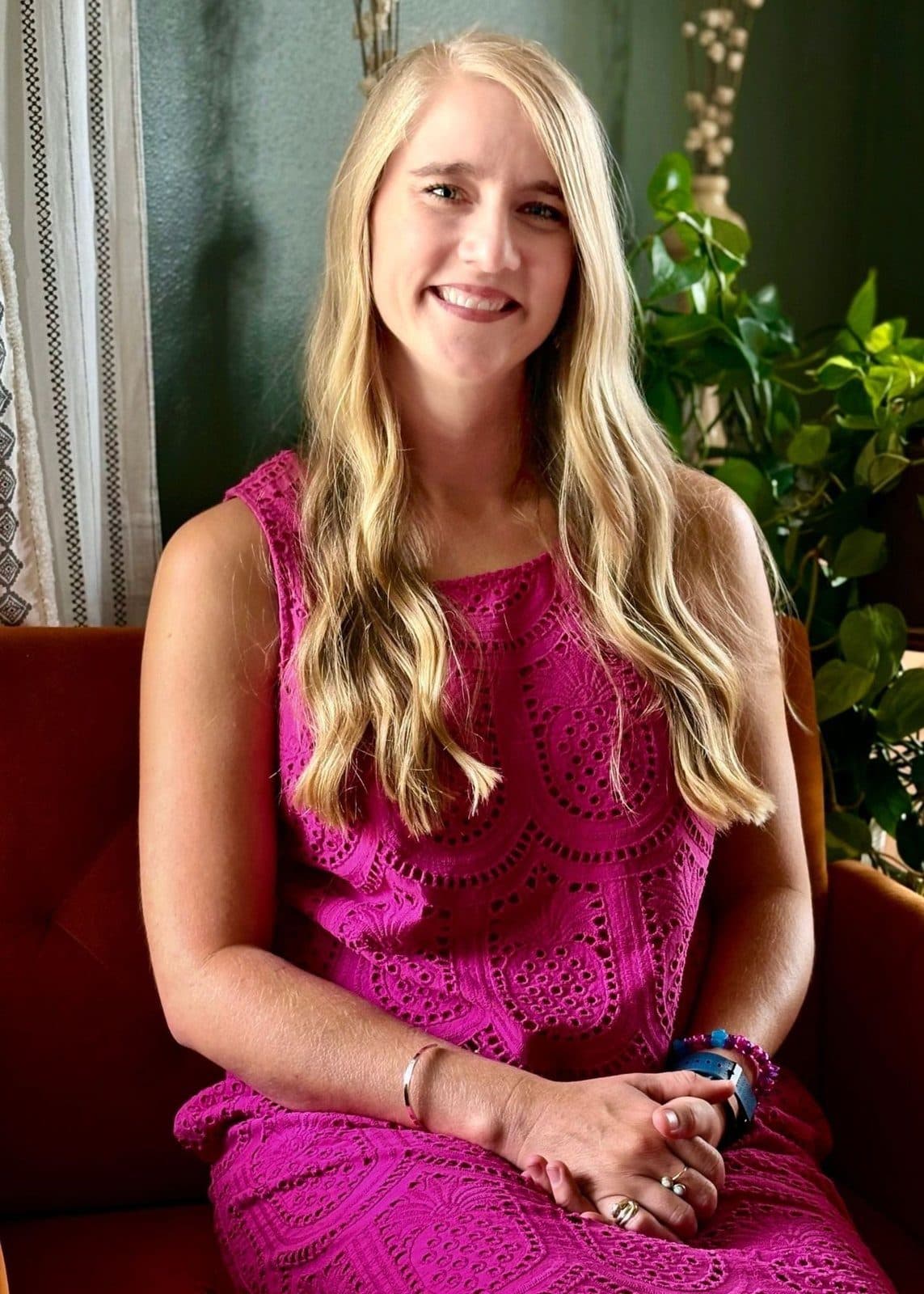
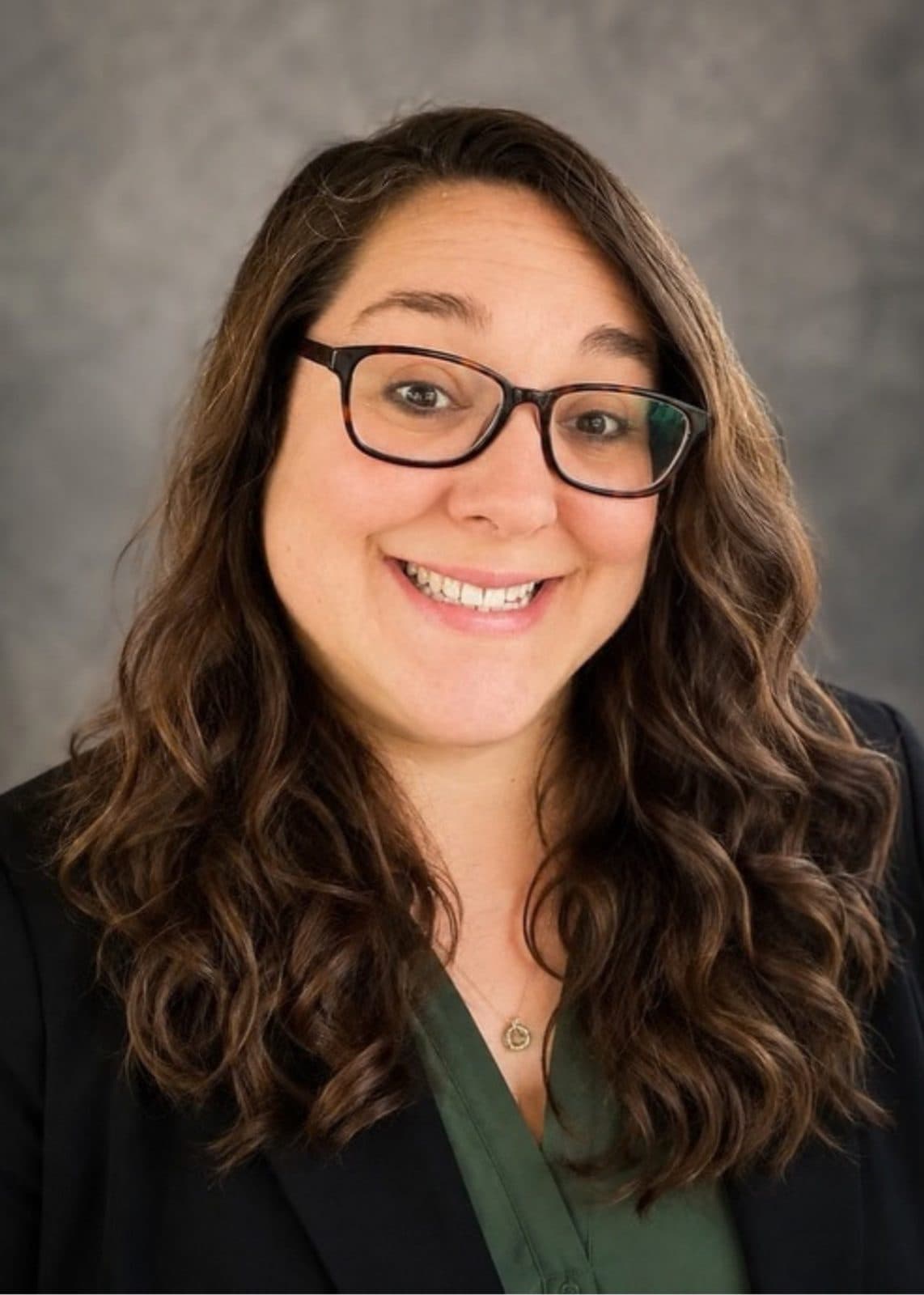
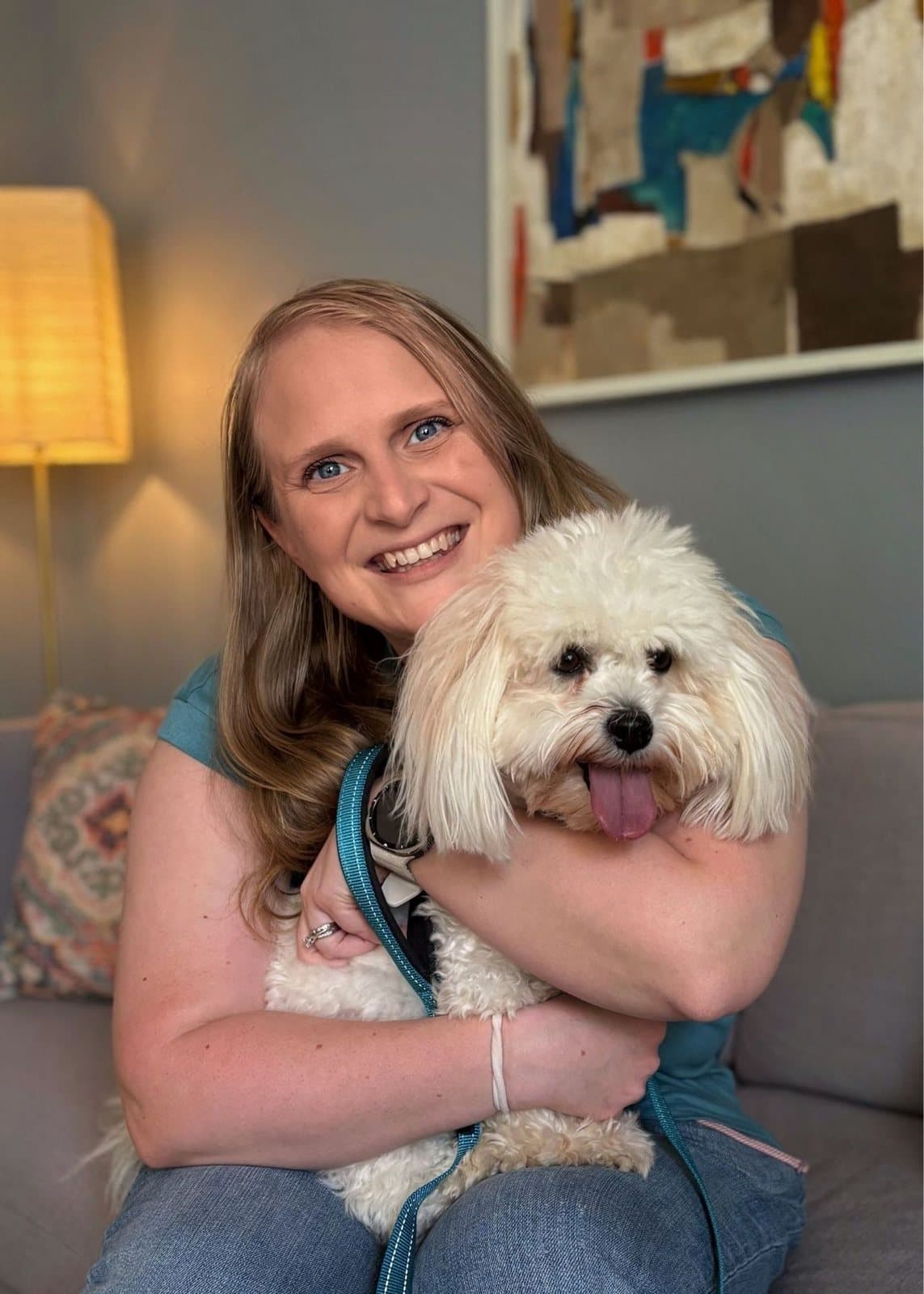
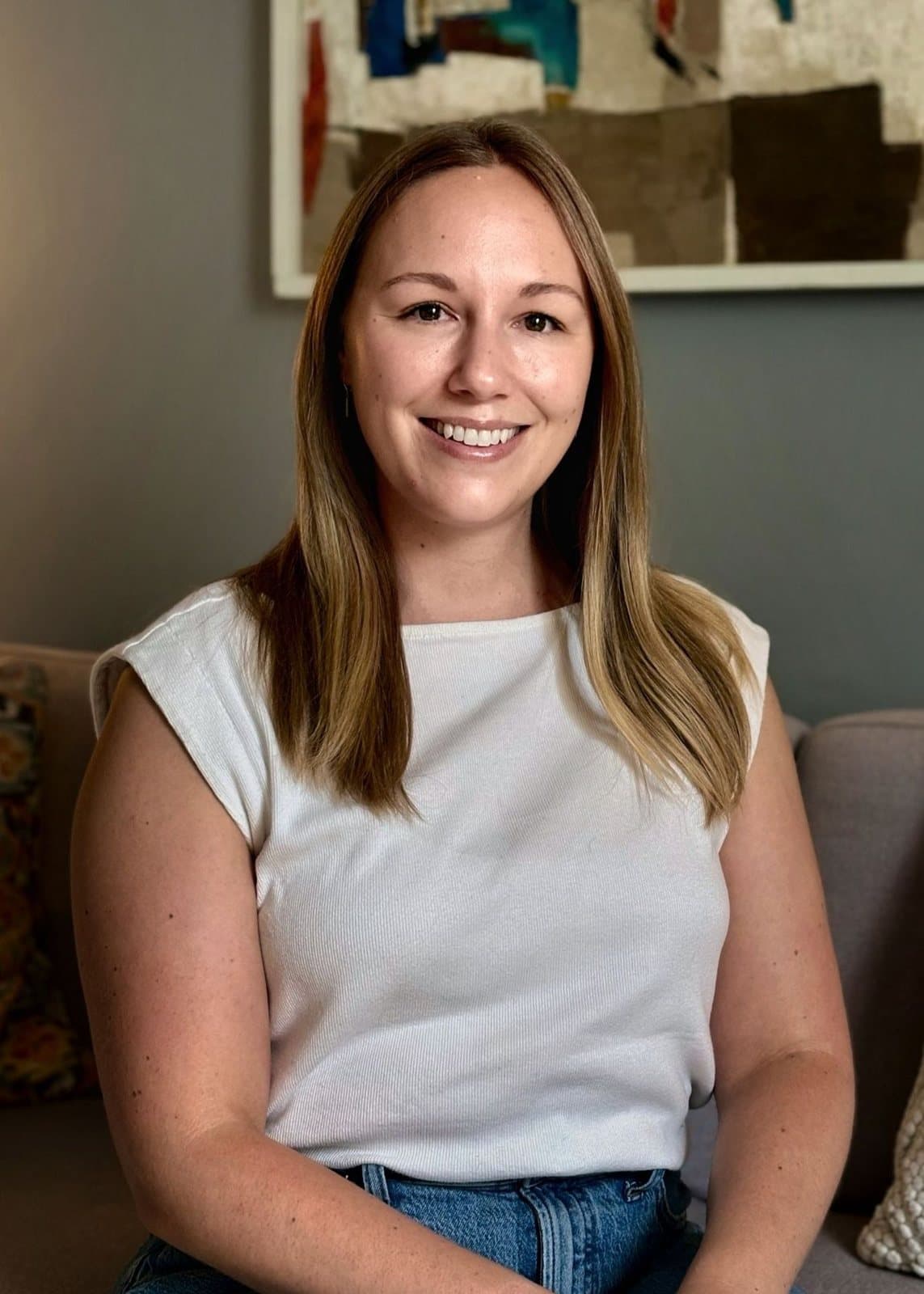
people you might work with
dbt skills near you
four offices, plus telehealth
DBT skills work is available at all four of our Kansas offices: our headquarters at 2619 W 6th St, Suites A & C, in west Lawrence; 616 Kentucky St, a quiet house a few blocks from downtown Lawrence; 10100 W 87th St, Suite 204, in Overland Park’s Mark One Building; and 5020 SW 28th St, Suite 204, in Topeka. When skills groups are running, each group’s location is listed on our Groups & Events page. Individual DBT skills work is also available by secure telehealth in Kansas, Missouri, Washington and Florida, depending on clinician licensure.
Mon–Fri · 8 AM–9 PM · (785) 615-1995
questions
dbt skills, answered
Still wondering about something? Call (785) 615-1995 or send us a note.
Are you a comprehensive DBT program?
No. Comprehensive DBT programs include specific components like weekly skills groups, individual therapy, phone coaching and a clinician consultation team. We teach DBT skills within individual therapy and in skills groups when offered. If your needs call for a comprehensive program or a higher level of care, we’ll talk honestly with you about that and help you think through options.
Do you have a DBT skills group running now?
Our group lineup changes throughout the year, so the best way to know is to ask about current groups when you reach out or check our Groups & Events page. Our standard group rate is $80 per session, and we’ll explain exactly how any specific group is billed before you commit.
Does insurance cover DBT skills therapy?
DBT skills taught in individual therapy are billed like any other psychotherapy session. We’re in network with many plans, including Blue Cross Blue Shield, Aetna, Cigna, United, Medicare, Tricare and KanCare, and we file claims for you. Self-pay rates are $275 for the intake and $250 for a 60-minute session, with a 40% discount when you pay on the day of service.
Is DBT only for people with borderline personality disorder?
No. DBT was originally developed for people with chronic suicidal thoughts, many of whom had that diagnosis, but its skills are now used much more widely. Anyone who struggles with intense emotions, impulsive reactions or turbulent relationships can benefit. You don’t need any particular diagnosis to learn DBT skills with us.
Can my teenager learn DBT skills?
Yes. DBT skills adapt well for adolescents, and we often invite caregivers to learn the skills too, so everyone at home shares the same language for hard moments. Our practice works with clients from age 4 through older adulthood, and we’ll match your teen with a clinician experienced in both DBT skills and adolescent development.
What if I’m having thoughts of self-harm right now?
Please reach out for immediate support. Call or text 988 any time of day or night, or go to your nearest emergency room if you’re in danger. DBT skills can help you build safety over time, and once you’re safe, we’re glad to help you take the next step toward ongoing care.

take the first step
you don't have to carry it alone.
Tell us a little about what's going on and we'll match you with a clinician who fits, in person or by telehealth. Most insurance accepted.