
no explaining required
Poly & Kink-Affirming Therapy at Mind & Body Healing Collective
You shouldn’t have to defend how you love or what you enjoy before a therapist can help you. Here, your relationships and desires are a starting point, not the problem.
- ◦ In person in Lawrence, Overland Park or Topeka
- ◦ Telehealth across Kansas
- ◦ Most insurance accepted

approaches we use
- LGBTQIA+ Affirming Therapy
- Emotion-Focused Therapy
- Attachment-Based Therapy
- Internal Family Systems
- Somatic Therapy
- EMDR
You might be looking for this kind of support if…
- 01
A past therapist suggested that polyamory or kink was a symptom of something deeper.
- 02
You and a partner are considering opening your relationship and want help talking it through honestly.
- 03
Jealousy, insecurity or new relationship energy is shaking up agreements that used to feel steady.
- 04
You’re struggling with shame about desires that are consensual and important to you.
- 05
Tension with a metamour, or scheduling and time across several relationships, is wearing everyone down.
- 06
You’re weighing whether and how to come out to family, friends or coworkers.
- 07
You want a professional who can tell the difference between consensual kink and harm, and won’t confuse the two.
Poly and kink-affirming therapy at Mind & Body Healing Collective, in Lawrence, Overland Park, Topeka, or by telehealth, offers knowledgeable, nonjudgmental care for polyamorous, ethically non-monogamous and kink-involved people and relationships. We treat consensual relationship structures and consensual kink as healthy variations of human life. You won’t be asked to justify them, and they won’t be assumed to be the cause of whatever brings you in.
This is an area where our practice has strong, practice-wide support that can be genuinely hard to find elsewhere. Many people tell us they’ve hidden a partner, a play relationship or a whole part of their life from past therapists, or that they spent sessions educating a counselor instead of getting help. We want you to be able to walk in, use your own language and get to the heart of what matters.
We see individuals, couples, triads, polycules and partners at every stage: people exploring non-monogamy for the first time, long-established networks navigating change, and folks who are curious about kink and want a safe place to think it through. Whatever your structure, you get to define what healthy looks like for you.
Affirming, not just tolerant
There’s a real difference between a therapist who quietly tolerates your relationship structure and one who understands it. An affirming therapist knows the vocabulary, from compersion and metamours to hierarchy, relationship anarchy, negotiation and aftercare, and doesn’t need you to define every term. More importantly, they recognize that the challenges you face are usually human ones: communication, trust, boundaries, attachment and self-worth.
Affirming care also means taking stigma seriously. Living outside mainstream relationship or sexual norms can mean hiding parts of your life, fearing judgment at work or in your family, or carrying shame absorbed long before you had words for who you are. We help you sort out which struggles come from inside a relationship and which come from a world that hasn’t caught up, because those call for different kinds of care.
- Opening a relationship or transitioning between structures
- Jealousy, insecurity and new relationship energy
- Agreements, boundaries and renegotiation
- Metamour dynamics and polycule communication
- Kink-related shame, negotiation and consent
- Coming out, stigma and disclosure decisions
Individual therapy and relationship therapy
Some people come in on their own. Individual sessions might focus on understanding your own needs and limits, healing from a painful breakup or rupture, working with anxious or avoidant attachment patterns that show up across several relationships, or simply having one place where you don’t have to edit your story. Many clients also come for anxiety, depression, trauma or grief, and want a therapist who won’t get distracted by the shape of their relationships.
Relationship therapy can include two partners, three, or more. Sessions focus on communication, repair after hurt, building agreements that reflect everyone’s values and checking in when those agreements no longer fit. Your therapist will help make sure each person has a voice and that the work stays centered on consent, honesty and care, rather than on deciding whose way of loving is correct.
Kink-affirming care with consent at the center
For many people, consensual kink is a meaningful source of connection, play, trust and even healing. Our clinicians are comfortable hearing about it in plain language, and you can bring it up whenever it’s relevant, or not at all. Therapy might explore mismatched desires between partners, how to talk about interests you’ve never voiced, what happens in your body before and after a scene, or shame left over from messages you absorbed growing up.
Consent is the line that matters. Affirming care means we don’t confuse consensual kink with abuse, and it also means we take it seriously when something didn’t feel consensual, whether in a kink context or anywhere else. If you’re processing a boundary violation, our trauma-informed clinicians can help with approaches like EMDR or somatic therapy, available at our Lawrence and Overland Park offices.
Why this kind of care can be hard to find in Kansas
Across Douglas, Johnson and Shawnee counties, plenty of people live polyamorous or kink-involved lives quietly and well. What many of them lack is a professional they can be fully honest with. Our commitment to poly, ENM and kink-affirming care is shared across the practice, alongside our LGBTQIA+ and neurodivergent-affirming values, so it doesn’t depend on which clinician happens to have an opening.
Privacy matters too. We understand that disclosure can carry real stakes at work, in custody conversations or with family, so you decide what is shared and how it’s described. Telehealth lets you meet from a space you control, and in-person sessions in Lawrence, Overland Park and Topeka offer a quiet, discreet setting when you want to be in the room together.
what to expect
how we'll begin, together
- 1
Make contact
Call or text (785) 615-1995 or send a message. Let us know whether you’re coming alone, with one partner or with several, and we’ll match you with an affirming clinician.
- 2
First session
Your first session explores what brings you in, who is involved, the language you use for your relationships and what a good outcome would look like. Share at your own pace.
- 3
Shape the work together
We set goals that reflect your values, then choose approaches that fit, from communication and attachment work to trauma processing and body-based practices.
- 4
Grow and renegotiate
Relationships change, and so can therapy. Sessions adapt as agreements shift, new people join, or the focus moves from crisis toward deeper connection and self-trust.
clinicians across the collective
people you might work with
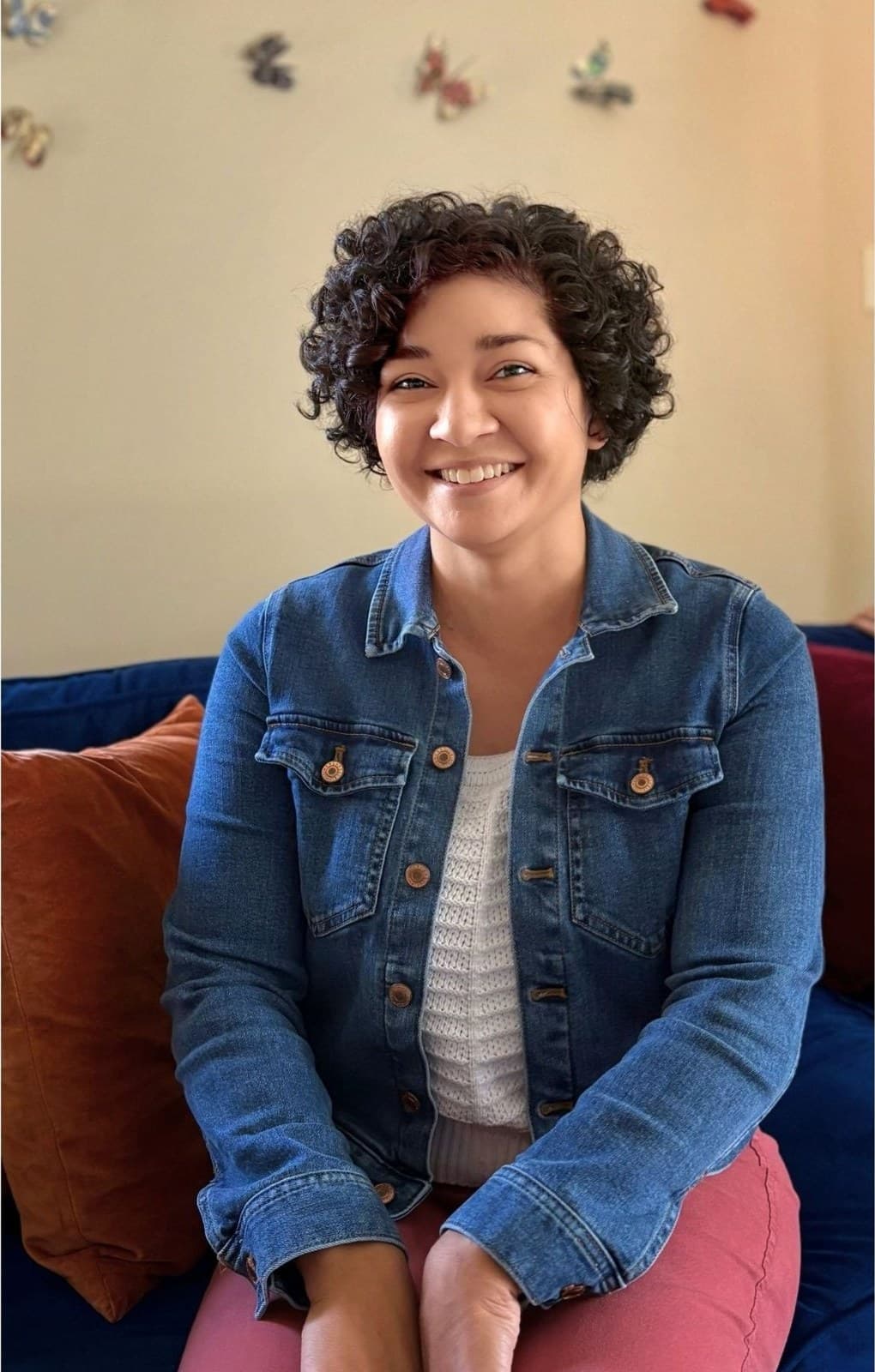

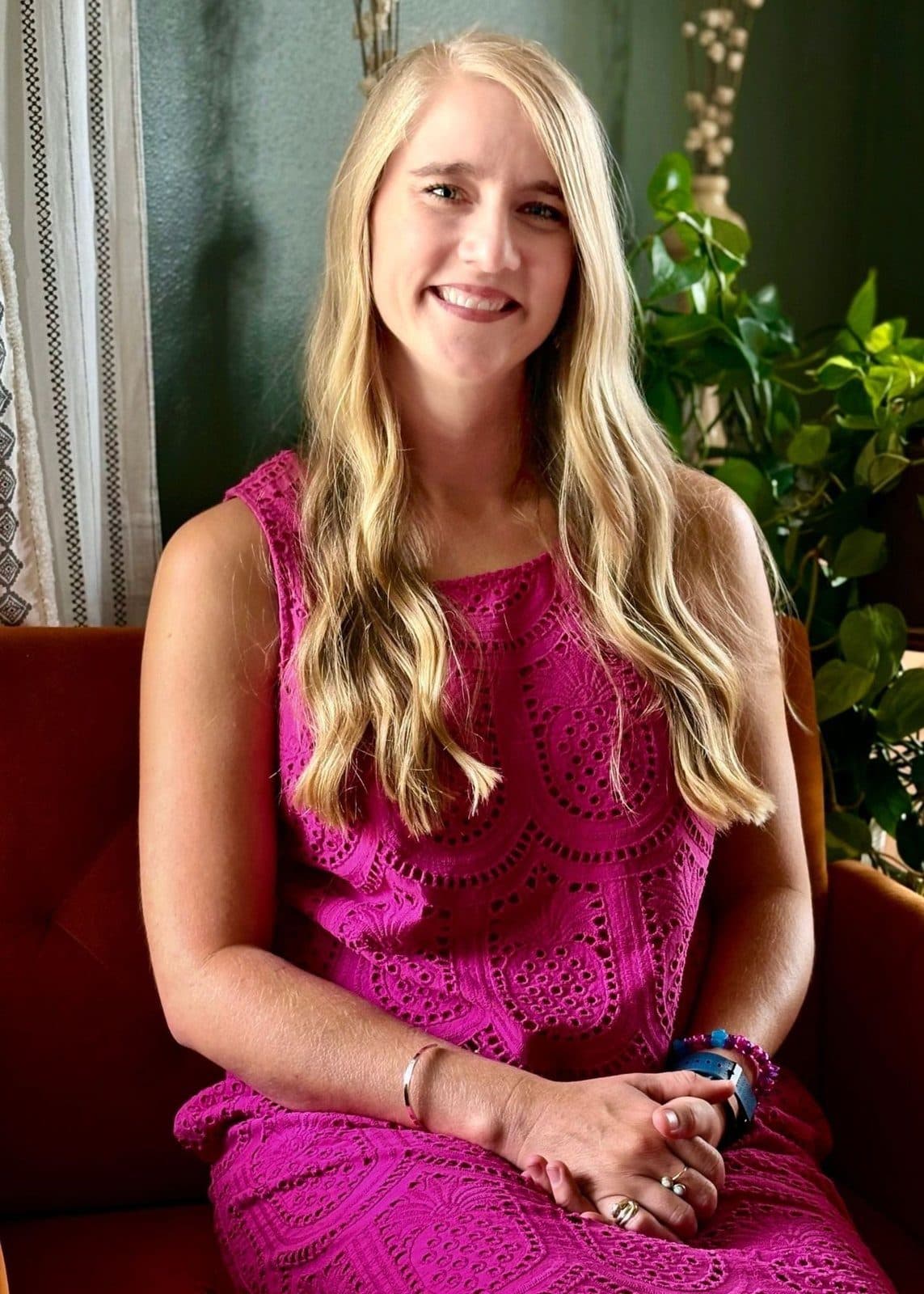

poly & kink-affirming therapy near you
four offices, plus telehealth
Poly and kink-affirming therapy is available at every office: 2619 W 6th St, Suites A & C, in west Lawrence; 616 Kentucky St, a quiet house a few blocks from downtown Lawrence; 10100 W 87th St, Suite 204, in Overland Park; and 5020 SW 28th St, Suite 204, in Topeka. For partners in different cities or anyone who prefers extra privacy, secure telehealth is available across Kansas, Missouri, Washington and Florida, depending on clinician licensure.
Mon–Fri · 8 AM–9 PM · (785) 615-1995
questions
poly & kink-affirming therapy, answered
Still wondering about something? Call (785) 615-1995 or send us a note.
Will I have to explain polyamory or kink to my therapist?
You shouldn’t have to. Our clinicians are familiar with ethically non-monogamous structures and kink communities, so you can use your own terms and focus on what you came in for. If something about your relationship is unique, we’ll ask out of curiosity, not because we need convincing.
Can all of my partners come to sessions together?
Yes. We see couples, triads and larger polycules, and we can also mix individual and joint sessions when that fits better. Your therapist will talk with everyone about how sessions will work so each person feels heard and the space stays fair.
Will you try to talk us out of non-monogamy?
No. Our goal is to help you build relationships that are honest, consensual and nourishing for the people in them. Some clients decide to change their structure along the way, and that choice belongs to them. We won’t push you toward monogamy or away from it.
Is it safe to talk about kink in therapy?
Yes. Consensual kink is a healthy part of life for many people, and our clinicians are kink-affirming. You’re never required to share more than you want to, and what you share is protected by the same confidentiality as anything else you bring to therapy.
We’re thinking about opening our relationship. Is it too early for therapy?
Not at all. Many partners find it helpful to talk through hopes, fears and possible agreements before anything changes. Therapy can help you go at a pace that feels right for both of you, and to notice early if one person is saying yes while feeling no.
Do you take insurance?
Most insurance is accepted, and we file claims for you. Coverage for relationship sessions can vary by plan, so we’re glad to help you check your benefits ahead of time. Self-pay options are available as well.

take the first step
you don't have to carry it alone.
Tell us a little about what's going on and we'll match you with a clinician who fits, in person or by telehealth. Most insurance accepted.