
solo or together
Relationship Counseling in Overland Park, KS
Your relationships shape almost everything: how you feel at home, at work, and inside your own head. Relationship counseling helps you understand your patterns and build connections that feel steadier, whether or not a partner joins you.
- ◦ In person in Overland Park
- ◦ Telehealth across Kansas
- ◦ Most insurance accepted

approaches we use
- Attachment-Based Therapy
- Emotion-Focused Therapy
- Internal Family Systems
- DBT Skills
- Somatic Therapy
- Telehealth
Relationship counseling may help if…
- 01
You keep ending up with the same kind of partner and the same kind of heartbreak.
- 02
Dating apps have left you burned out, anxious, or more cynical than you want to be.
- 03
You go quiet or over-explain when you need to ask for something, and resentment builds afterward.
- 04
A new relationship is going well, and you can’t stop waiting for it to fall apart.
- 05
You’re opening a relationship, or already living polyamory, and need space to think it through without judgment.
- 06
Moving in, getting engaged, becoming a parent, or retiring has changed your partnership in ways you didn’t expect.
- 07
You’re dating again after divorce or loss and feel out of practice and unsure of yourself.
- 08
Your partner isn’t interested in therapy, but you still want to change how things go between you.
Relationship counseling in Overland Park, KS, at Mind & Body Healing Collective is broader than couples therapy. It’s for anyone who wants to understand how they love, connect, argue, and attach, and how to do it with less pain. You might be single and tired of the same disappointing dating pattern, newly partnered and unsure how to ask for what you need, navigating an open or polyamorous structure, or facing a life change that has shaken a relationship you thought you understood.
The biggest difference from couples counseling is who’s in the room. Many relationship clients come on their own. Others bring a partner for some sessions and not others, or begin individually and move into joint work later. Our clinicians, including our licensed marriage and family therapist in Overland Park, are trained to think relationally, which means even one-on-one sessions look at the connections around you, not just what’s happening inside you.
We welcome every kind of relationship and every kind of person: monogamous and consensually non-monogamous, married and never-married, long-distance and living apart together, queer, trans, and asexual or aromantic-spectrum folks, and people whose chosen family matters as much as their family of origin. Your relationship doesn’t have to fit a template to deserve care.
Relationship counseling vs. couples counseling
Couples counseling treats one specific partnership as the client, with both partners in the room working on their bond. Relationship counseling keeps a wider lens. The focus may be your attachment style, the way you communicate under stress, the boundaries you struggle to hold, or a pattern that has followed you through several relationships. Sometimes the work involves a current partner; sometimes it’s preparation for a partner you haven’t met yet.
In practice the two often overlap, and you don’t need to know which one you want before you call. Many people start with individual relationship counseling and later invite a partner in for a few joint sessions. Others finish a round of couples work and continue alone to understand their own part more deeply. Your therapist will help you choose the format that fits where you are right now.
Dating, attachment, and the patterns you keep repeating
Most of us learned how to love long before we chose a partner. Early experiences with caregivers shape whether closeness feels safe, how we react when someone pulls away, and what we believe we have to do to be loved. Those patterns aren’t destiny, but they tend to repeat until we can see them. Relationship counseling helps you notice the moments when an old script takes over, like the panic when a text goes unanswered or the urge to leave the second someone gets close.
From there, the work becomes practical. You might explore what you actually want in a partner, as opposed to what simply feels familiar, how to pace a new relationship, or how to tell intuition from anxiety. For people healing from a painful breakup, a divorce, or a controlling relationship, counseling offers a place to rebuild trust in your own judgment before, or while, you date again.
Communication skills that work in any partnership
Healthy communication isn’t about saying everything perfectly. It’s about staying connected while you disagree, asking for what you need without attacking or apologizing for it, and repairing when you get it wrong. Relationship counseling gives you a place to practice those skills, often by rehearsing real conversations before you have them.
Because our team works through a trauma-informed, nervous-system lens, we also pay attention to what happens in your body during hard conversations. Learning to notice a tight chest or a racing mind, and to settle it, often matters more than finding the perfect words.
- Naming needs clearly instead of hinting and hoping
- Setting and holding boundaries without guilt
- Staying grounded when conflict makes your body want to fight or flee
- Listening for the feeling under a partner’s words
- Repairing after a hurtful moment
- Negotiating agreements about time, money, sex, and space
Non-traditional relationships, held without judgment
Many people in polyamorous, open, or otherwise non-traditional relationships have had a therapist treat their relationship structure as the problem. That won’t happen here. We help clients design clear agreements, work through jealousy, navigate hinge and metamour dynamics, and talk honestly about what each person needs. The same care extends to long-distance partnerships, couples who live apart by choice, relationships across big age or cultural differences, and partnerships that don’t include sex.
LGBTQIA+ clients can expect a therapist who understands coming out at different life stages, gender transition within an existing relationship, and the role of chosen family. Neurodivergent partners get the same respect: we work with the way your brain processes communication, sensory input, and emotion, rather than asking you to perform a neurotypical version of intimacy.
How do relationships change with each life stage?
Even strong relationships wobble when life shifts. Moving in together merges more than furniture. Engagement and marriage bring family expectations into sharper focus. A new baby can quietly turn partners into co-workers. Midlife may surface questions about identity, desire, and purpose, and an empty nest or retirement can leave two people looking at each other and wondering who they are now. Caregiving for an aging parent, a serious illness, or a job relocation can test any bond.
Relationship counseling helps you name what’s changing, grieve what’s ending, and make deliberate choices about what comes next, whether that means renegotiating roles at home, finding new ways to connect, or deciding together that the relationship needs a different shape. Sessions at our Overland Park office or by telehealth can fit around the work, school, and family schedules that so often drive these transitions in the first place.
what to expect
how we'll begin, together
- 1
Tell us what you’re looking for
Call (785) 615-1995 or request an appointment. Let us know whether you’d like to come alone, with a partner, or aren’t sure yet, and we’ll suggest a clinician who fits.
- 2
Map your relationship story
Your 60-minute intake explores your current relationships, past patterns, family background, and what you hope will feel different.
- 3
Choose the format
Together you decide on individual sessions, joint sessions, or a mix, and set a few goals you’ll actually be able to notice in daily life.
- 4
Practice in real life
Between sessions you try new skills in real conversations, then bring back what happened so you can refine your approach.
clinicians in overland park
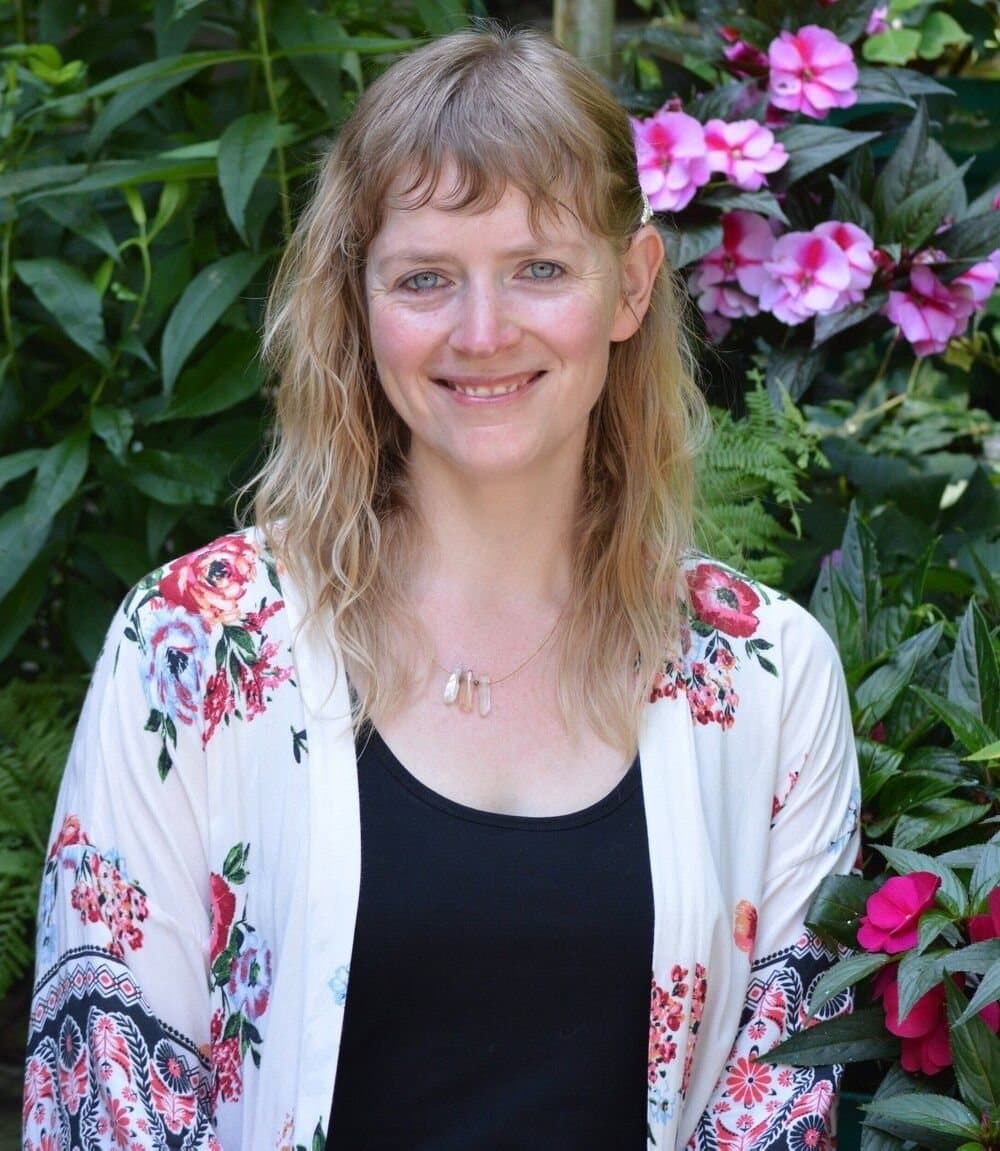
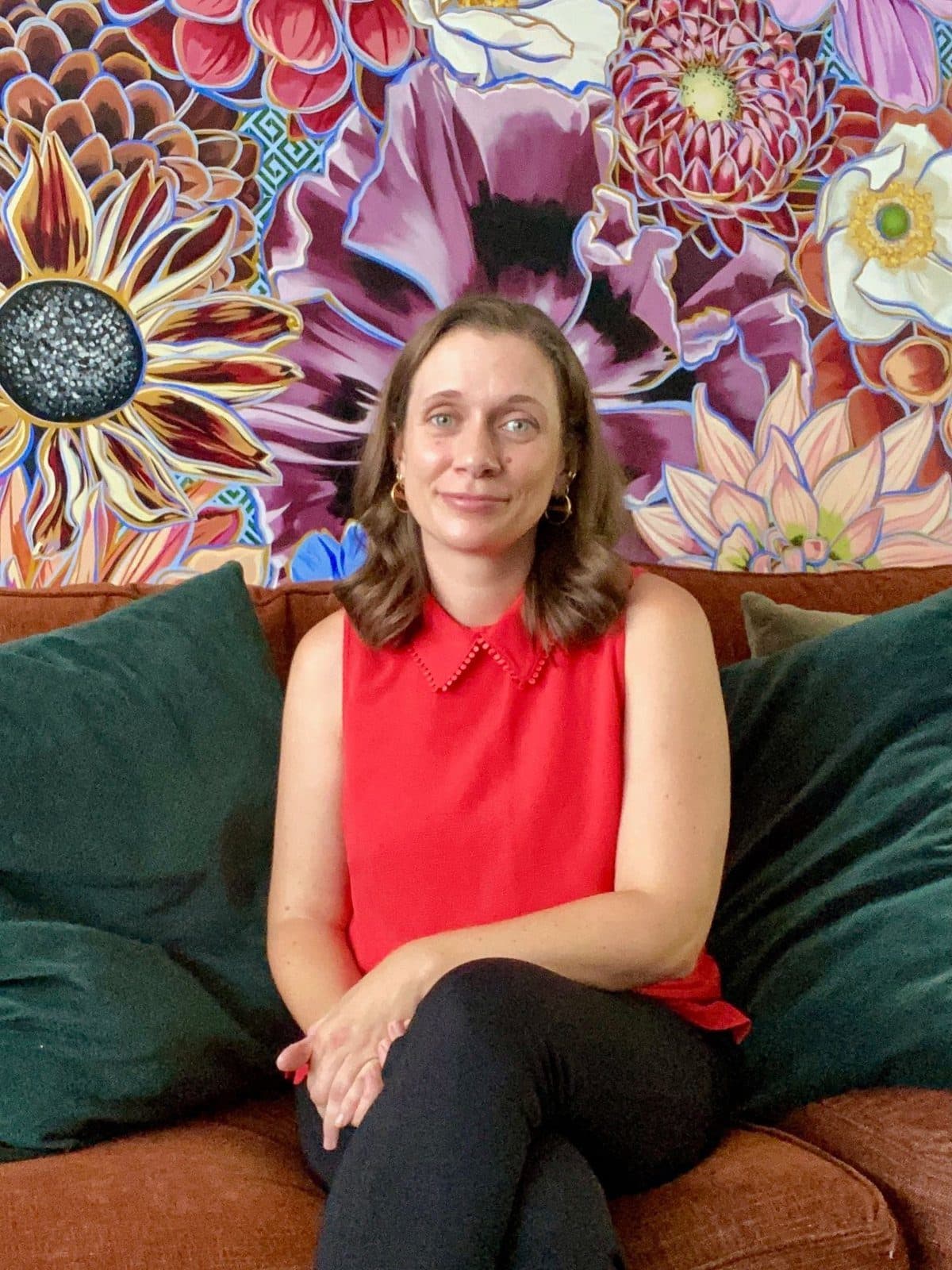
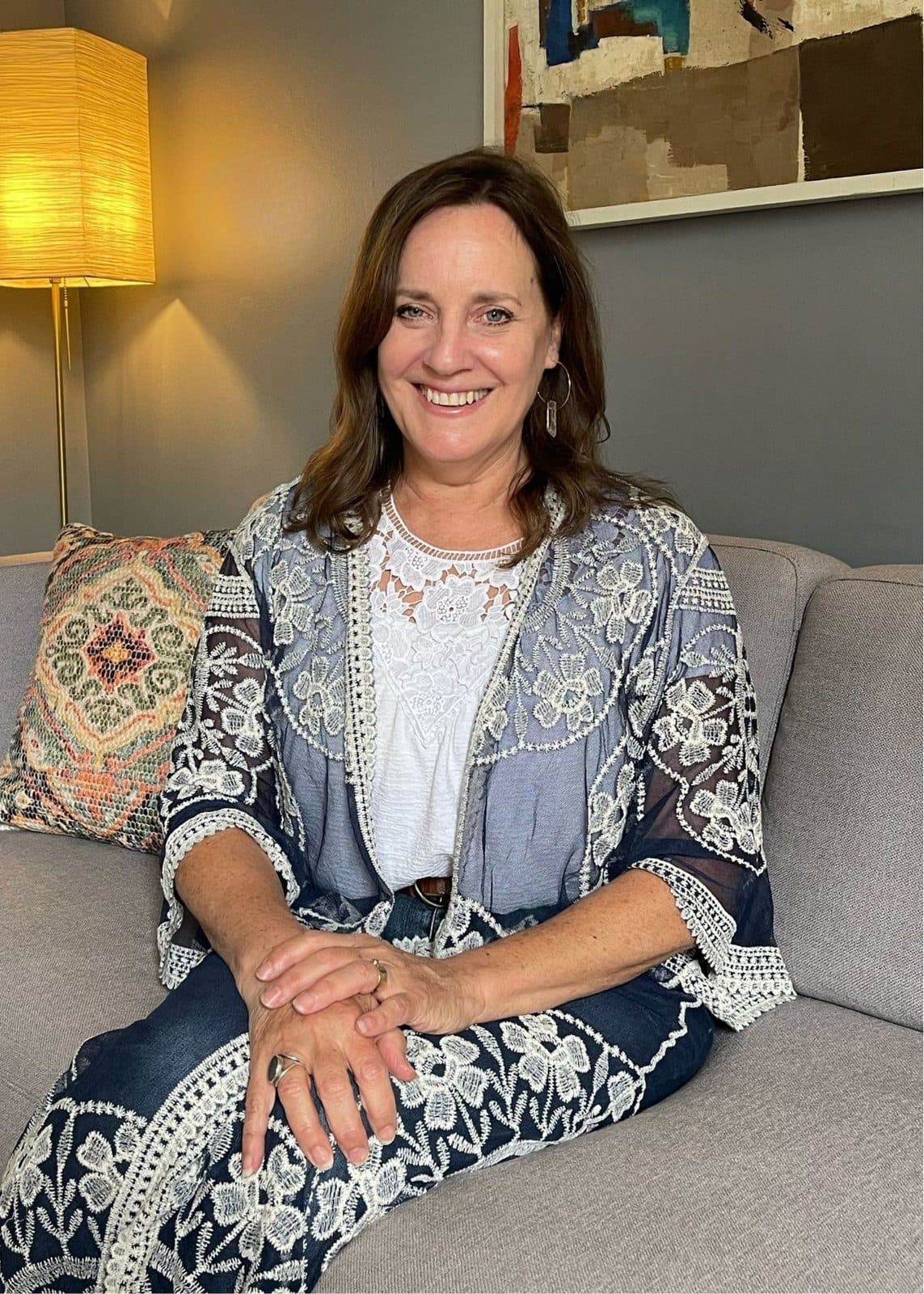
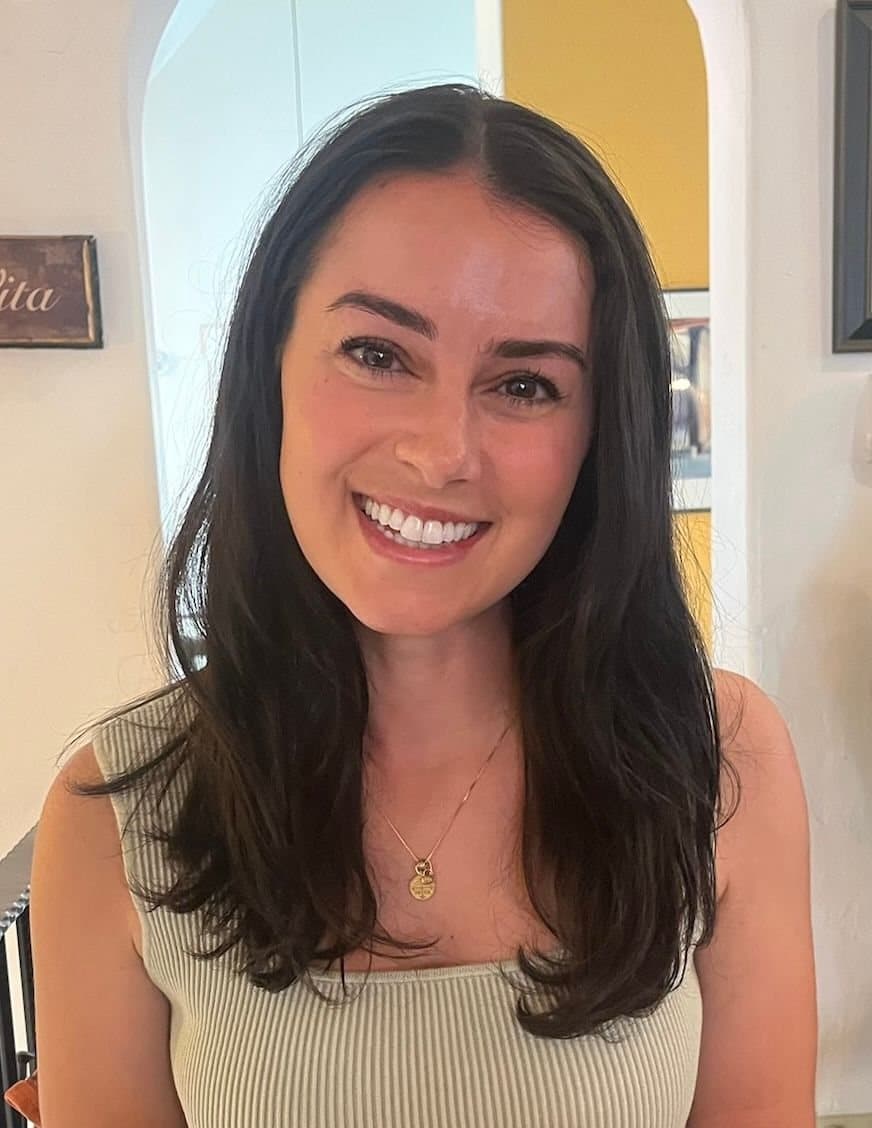
people you might work with
relationship counseling near you
visiting us in overland park
Relationship counseling is available at our Overland Park office, 10100 W 87th St, Suite 204, Overland Park, KS 66212, in the Mark One Building off I-35 and 87th Street Parkway. Clients come from Leawood, Olathe, Lenexa, Shawnee, Merriam, and Prairie Village, and from throughout the Kansas City metro. Sessions are also offered by secure telehealth across Kansas, and some clinicians are licensed in Missouri.
Mon–Fri · 8 AM–9 PM · (785) 615-1995
questions
relationship counseling in overland park, answered
Still wondering about something? Call (785) 615-1995 or send us a note.
Can I go to relationship counseling without my partner?
Yes. Many relationship counseling clients come on their own, whether they’re single, dating, or partnered with someone who isn’t ready for therapy. Working on how you show up in relationships often changes the dynamic for everyone involved. If your partner decides to join later, your therapist can add joint sessions or connect you with a colleague for couples counseling.
How is relationship counseling different from individual therapy?
There’s overlap, but relationship counseling keeps your connections at the center. Rather than focusing mainly on symptoms like anxiety or low mood, sessions look at attachment, communication, boundaries, and the patterns that play out with partners. If anxiety, depression, or trauma is driving those patterns, your therapist can weave that work in too.
Do you work with polyamorous and ENM relationships?
Yes. We work with individuals and with multiple partners in polyamorous, open, and relationship-anarchy structures. Sessions might focus on one person’s experience, on a pair within a larger network, or on agreements that affect everyone. We don’t treat non-monogamy as a symptom, and you won’t have to explain the basics before we can help.
How much does relationship counseling cost?
The first 60-minute intake is $275, and ongoing sessions are $250 for 60 minutes or $175 for 45, with a 40% discount when you pay on the day of service. Individual relationship counseling can often be billed to insurance like other therapy when it addresses a diagnosed concern such as anxiety or depression. We file with plans including BCBS, Aetna, Cigna, United, and Tricare, and a Good Faith Estimate is available for self-pay clients.
Can relationship counseling help after a breakup or divorce?
Yes. Endings bring grief, anger, relief, and a lot of questions about what went wrong and what you want next. Counseling gives you a place to process the loss, understand your part without drowning in blame, and rebuild confidence before dating again. If children are involved, we can also help you think through co-parenting communication.

take the first step
you don't have to carry it alone.
Tell us a little about what's going on and we'll match you with a clinician in Overland Park who fits, in person or by telehealth. Most insurance accepted.