
before, during and after baby
Perinatal & Postpartum Therapy in Topeka, KS
No one hands you a manual for the version of yourself that shows up during pregnancy and after a baby arrives. You deserve support that makes room for all of it, including the parts no one posts about.
- ◦ In person in Topeka
- ◦ Telehealth across Kansas
- ◦ Most insurance accepted

approaches we use
- Perinatal Mental Health
- CBT
- Internal Family Systems
- Mindfulness-Based Therapy
- Medication Management
- Telehealth
You might be ready for support if…
- 01
You’re thinking about getting pregnant, and old fears about your own childhood or a past loss keep surfacing.
- 02
Worry about the baby’s health fills your mind no matter how many good appointments you have.
- 03
Since the birth, you feel more like a machine running feeds and diapers than a person.
- 04
Scary, unwanted thoughts about something happening to your baby pop into your head, and you’re afraid to tell anyone.
- 05
You love your child and still miss your old life, and the guilt about that is eating at you.
- 06
Your birth didn’t go the way you hoped, and you replay it when you try to sleep.
- 07
You’re a young mom, and you can feel people’s opinions about that every time you walk into a clinic or a family gathering.
Perinatal and postpartum therapy in Topeka, KS at Mind & Body Healing Collective supports you across the whole arc of becoming a parent: thinking about pregnancy, trying to conceive, being pregnant, giving birth, and the long, disorienting months that follow. Our Topeka office includes a therapist whose work centers on perinatal mental health, with a particular heart for young mothers who are navigating this season early, often with fewer resources and more judgment than they deserve.
The perinatal period is one of the most common times for anxiety and depression to appear or return, and yet it’s also when many people feel the most pressure to look grateful and fine. Therapy here is a place to set that pressure down. We’ll talk about sleep, feeding and the relationship with your partner or co-parent, and also about identity, fear, grief, anger, tenderness and everything else that comes with growing and caring for a new person.
You can start at any point. Some clients come to us before they’re pregnant, to sort through fears from a past pregnancy or their own childhood. Others reach out in the third trimester, at six weeks postpartum, or as their baby turns one and they realize they still don’t feel like themselves. There’s no wrong time to ask for help.
What perinatal mental health means, from preconception to the first year
“Perinatal” covers pregnancy and the first year after birth, and many clinicians extend that window to include the months of planning or trying to conceive. Across that stretch, your body, hormones, relationships, sleep and sense of self all change at once. It makes sense that emotions shift too. Some changes are a normal part of adjusting. Others, like depression, anxiety, intrusive thoughts or trauma symptoms after birth, are common, treatable conditions that deserve real care.
Perinatal mood and anxiety disorders affect a significant share of new and expecting parents, and they don’t always look like the stereotype of postpartum sadness. They can show up as irritability, rage, constant checking, an inability to rest even when the baby sleeps, numbness, or a sense of watching your life from a distance. Partners and co-parents can struggle too. Naming what’s happening is often the first relief.
- Anxiety or depression while trying to conceive or during pregnancy
- Postpartum depression, anxiety and intrusive thoughts
- Birth trauma and difficult NICU experiences
- Pregnancy loss, miscarriage and infertility grief
- Identity shifts, relationship strain and returning to work or school
- Fears rooted in your own childhood as you prepare to parent
Support for young mothers in Topeka
Becoming a mom in your teens or early twenties can be joyful and terrifying at the same time, and it often comes with an extra layer: people questioning whether you’re ready, school or work plans upended, relationships with your own parents suddenly complicated, money stretched thin. Our perinatal therapist works with young mothers in Topeka without lectures or judgment. Sessions are a place to be honest about what’s hard and to build confidence in the parent you are already becoming.
Practical life matters in this work. We can talk about finishing school or holding a job with a newborn, setting boundaries with family who mean well but overstep, co-parenting with someone you’re no longer with, and finding community so you’re not doing this alone. Some young moms are also carrying their own history of trauma or instability, and therapy is a chance to make sure what they pass on is chosen, not simply inherited.
Before pregnancy: preparing your mind as well as your body
Preconception counseling is less familiar than prenatal vitamins, but it can be just as meaningful. If you have a history of depression or anxiety, a previous difficult pregnancy or birth, a loss, or a complicated relationship with your own parents, it can help to sort through those things before a new pregnancy begins. Therapy can help you clarify what you want, plan for support, and recognize early warning signs so you’re not caught off guard.
If you take psychiatric medication and are thinking about pregnancy, that’s an important conversation to have with your prescriber and your OB or midwife before making changes. Our psychiatric nurse practitioner offers medication management by telehealth anywhere in Kansas and, with your consent, can coordinate with your Topeka therapist, so you’re weighing options with a team rather than alone.
Postpartum: the fourth trimester and beyond
The weeks after birth are often called the fourth trimester, and for good reason. Your body is healing, sleep is fractured, and your whole life is reorganizing around a tiny person’s needs. Postpartum therapy helps you separate the ordinary exhaustion of new parenthood from symptoms that need more support, and it gives you somewhere to put the feelings that don’t fit the newborn photos.
Sessions can be flexible. Many new parents find telehealth easiest in the early months, meeting from the couch during a nap instead of loading a car seat, and if you’d like to bring your baby to an in-person session, just ask when you schedule. We work with your actual life: feeding plans, night shifts with a partner, the return to work or school, and the slow process of feeling like yourself again, or getting to know a new version of yourself.
what to expect
how we'll begin, together
- 1
Reach out when you’re ready
Call (785) 615-1995 or send the request form. Mention that you’re looking for perinatal or postpartum support so we can match you with our Topeka perinatal therapist.
- 2
A gentle first session
Your 60-minute intake covers where you are in your journey, your mood, sleep and support system, and what you hope will feel different.
- 3
Build a plan around your life
Together you choose a rhythm, in person or by telehealth, and focus on what matters most right now, from intrusive thoughts to birth recovery to family boundaries.
- 4
Keep support steady through changes
As pregnancy progresses or your baby grows, your goals shift and your therapist adjusts with you, including a plan for the first weeks after birth.
clinicians in topeka
people you might work with


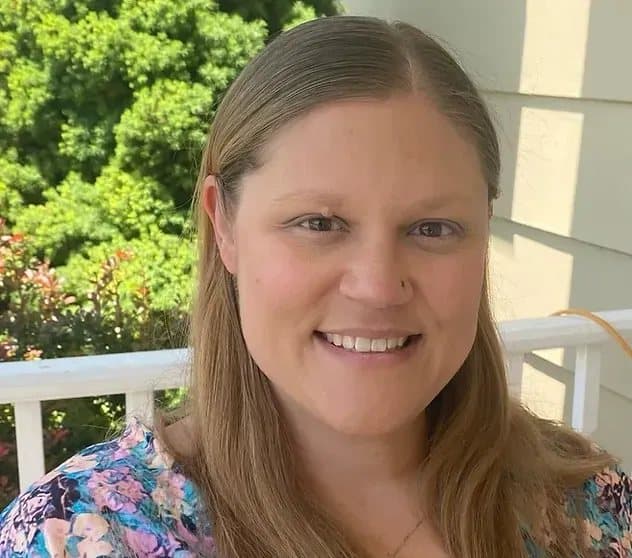

perinatal & postpartum therapy near you
visiting us in topeka
Perinatal and postpartum therapy is offered at our Topeka office, 5020 SW 28th St, Suite 204, Topeka, KS 66604, in southwest Topeka near I-470. We welcome expecting and new parents from across Shawnee County, including Washburn University students and families in Auburn, Silver Lake, Rossville and Tecumseh. Secure telehealth is available anywhere in Kansas, which can be a lifeline during bed rest or the newborn weeks.
Mon–Fri · 8 AM–9 PM · (785) 615-1995
questions
perinatal & postpartum therapy in topeka, answered
Still wondering about something? Call (785) 615-1995 or send us a note.
When should I start perinatal therapy?
Any time. Some people begin before trying to conceive, some during pregnancy, and many after birth, sometimes months later. You don’t need to wait until symptoms feel severe. If something feels off, or you simply want support through a big transition, that’s reason enough to reach out.
Is it normal to have scary thoughts about my baby?
Unwanted, intrusive thoughts about harm coming to your baby are very common in pregnancy and postpartum, and having them does not mean you want them to happen. They’re often a sign of anxiety, and talking about them with a therapist who understands perinatal mental health can bring real relief. If you ever feel you might act on a thought, call 988 or 911 right away.
Do you take insurance for postpartum therapy in Topeka?
Yes. We’re in network with plans including all Blue Cross Blue Shield networks, Aetna, Cigna, United, UMR, Ambetter, Medicare, Tricare, VA/Veterans plans and KanCare plans such as Sunflower, United Community Plan and Healthy Blue. Self-pay sessions are $250 for 60 minutes, with a 40% discount when you pay on the day of service.
Can my partner or co-parent come to sessions?
Often, yes. A partner, co-parent or support person can join some sessions when that would help, for example to plan night shifts or talk through how the birth affected you both. Your individual sessions remain your own space, and you decide who joins and when.
Where can I get help right now?
If you’re in crisis, call or text 988 or call 911. The National Maternal Mental Health Hotline, 1-833-852-6262, offers free, confidential support by call or text 24 hours a day for pregnant and postpartum parents. Valeo Behavioral Health Care also provides 24/7 crisis support in Topeka. Our office is not an emergency service.

take the first step
you don't have to carry it alone.
Tell us a little about what's going on and we'll match you with a clinician in Topeka who fits, in person or by telehealth. Most insurance accepted.