
gentle, steady support
Depression Therapy in Overland Park, KS, for When the Color Drains Out
Depression can make even reaching out feel like too much. If you’re reading this, part of you is still looking for a way back to yourself, and that part deserves backup.
- ◦ In person in Overland Park
- ◦ Telehealth across Kansas
- ◦ Most insurance accepted

What depression might feel like for you
- 01
You cancel plans you were looking forward to and feel relieved, then guilty.
- 02
Showering, answering texts, or opening mail takes a surprising amount of effort.
- 03
You can make it through a full workday and then have nothing left for the people at home.
- 04
Music, food, or hobbies that used to light you up now feel flat.
- 05
You sleep ten hours and wake up tired, or lie awake until 2 AM.
- 06
An inner voice keeps a running list of everything you’re failing at.
- 07
You’ve started to feel like a burden to the people who love you.
Depression doesn’t always look like sadness. Sometimes it looks like going through the motions of a full life in Overland Park, commuting, working, getting dinner on the table, while feeling almost nothing. Sometimes it’s an exhaustion that sleep doesn’t touch, or a quiet belief that tomorrow won’t be any different. Depression therapy in Overland Park, KS, at Mind & Body Healing Collective is patient-focused care for all of it, offered at a pace your energy can actually handle.
Depression affects everyone differently. Some people lose interest in activities they once loved; others feel cut off from partners and friends, struggle to concentrate, or are flooded with guilt and self-criticism. We begin by learning what depression is like for you, because healing starts with being heard and understood rather than being hurried toward a plan. Your experience of depression is the starting point, not a diagnosis code.
Our aim is more than symptom relief. We want to help you understand what’s underneath the heaviness, build resilience you can rely on, and find your way back to the relationships, interests, and small everyday pleasures that once felt like yours. Along the way, we’ll notice small signs of life returning, because with depression, small is often where it starts.
Is It Depression or Burnout?
It’s a question many working professionals and parents in Johnson County ask. Burnout typically grows out of chronic stress in a particular role, like a demanding job or years of caregiving, and it often eases with real rest or distance from the source. Depression is broader. It tends to follow you into weekends and vacations, and it colors how you see yourself, not just how you feel about your to-do list.
The two can overlap, and one can slide into the other. If time off no longer restores you, if you’ve lost interest in things outside of work, or if hopelessness has crept in, depression may be part of the picture. You don’t have to sort this out alone. A first session can help clarify what’s happening and which kind of support makes sense. Naming it accurately often brings a measure of relief on its own.
Our Integrative Approach to Depression Therapy
We look at depression through several lenses at once. Thoughts matter, so CBT and behavioral work help you notice the stories depression tells and take small, doable actions that rebuild momentum. Emotions matter, so emotion-focused and attachment-based work make space for grief, anger, or loneliness that may have gone unspoken. History matters too, so we pay attention to losses, trauma, or long-standing patterns that may be keeping you low. No single lens explains everything.
The body is part of it as well. Depression often involves a kind of shutdown in the nervous system, a protective slowing that can feel like heaviness or fog. Somatic work helps you gently find more energy and connection without forcing it. Internal Family Systems can be especially useful for the harsh inner critic that so often travels with depression, helping you understand what that critic believes it is protecting.
- CBT and behavioral activation to rebuild momentum
- Emotion-focused therapy for feelings that got buried
- Internal Family Systems for the inner critic
- Somatic work for heaviness and shutdown
- Mindfulness-based therapy for rumination
When Therapy Alone Isn’t Enough
Some depressions are stubborn. If you’ve tried therapy or medication before without much relief, it doesn’t mean you’re beyond help. Within our collective, a psychiatric nurse practitioner offers medication management in Overland Park and blends it with lifestyle and mind-body strategies. With your permission, your therapist and prescriber can coordinate, so your care feels connected rather than split between strangers who never compare notes. Medication isn’t a failure of willpower; for some people, it’s the floor they need to stand on.
For adults with difficult-to-treat depression, there is also SomaVerse, our ketamine-assisted psychotherapy program, which uses troches, compounded tablets that dissolve in the mouth. It involves a medical intake and ongoing monitoring, screens out people with certain conditions, like psychosis or blood pressure that isn’t under control, and includes preparation and integration support. It isn’t right for everyone. One SomaVerse client shared, “within a few weeks I felt not only my depression lifting but I felt hope.”
Depression Support From Childhood Through Later Life
Depression can surface at any age. In teens it may look like irritability, withdrawal into screens, or grades slipping for no obvious reason. New parents may experience it in the months after a birth. Midlife can bring it on through divorce, job loss, or caring for aging parents, and older adults may face it alongside illness, retirement, or the loss of a spouse and longtime friends. None of these experiences is simply a phase to wait out.
Our clinicians see young children, teens, adults, and older adults in their 60s, 70s, and beyond. We offer affirming care for LGBTQIA+ clients, for whom depression is sometimes tied to rejection or the exhaustion of hiding. Whoever you are, your therapist will consider your whole context, including culture, identity, health, and relationships, not just a checklist of symptoms. Depression doesn’t look the same in every life, and your care shouldn’t either.
Finding Depression Care in Overland Park When Everything Feels Heavy
When you’re depressed, small logistical hurdles can feel like walls, so we try to keep access simple. Our Overland Park office is in the Mark One Building at 10100 W 87th St, with easy access from I-35 for people in Lenexa, Shawnee, Merriam, and Olathe. The office is open 8 AM to 9 PM Monday through Friday, and telehealth is available anywhere in Kansas on days when getting dressed and driving isn’t possible.
Suburban life can be isolating in its own way. It’s easy to look fine from the driveway while feeling very alone inside the house. Reaching out is not an overreaction. If you are thinking about suicide or feel unsafe, please call or text 988 to reach the Suicide & Crisis Lifeline right away, at any hour. Then, when you’re ready, we’re here for the longer work. Asking for help is itself a sign that part of you is still fighting for you.
what to expect
how we'll begin, together
- 1
Send a short message
A call, email, or online request is enough. You don’t have to explain everything; “I think I’m depressed” is a complete first sentence.
- 2
Talk through the full picture
Your intake covers mood, sleep, energy, history, health, and safety, so your therapist understands what depression looks like for you.
- 3
Start small and specific
Early goals are gentle and concrete: one walk, one text returned, one evening that feels a little more like your own.
- 4
Widen the circle of support
As you steady, therapy deepens, and psychiatry, groups, or other options can join in if they would help.
clinicians in overland park
people you might work with

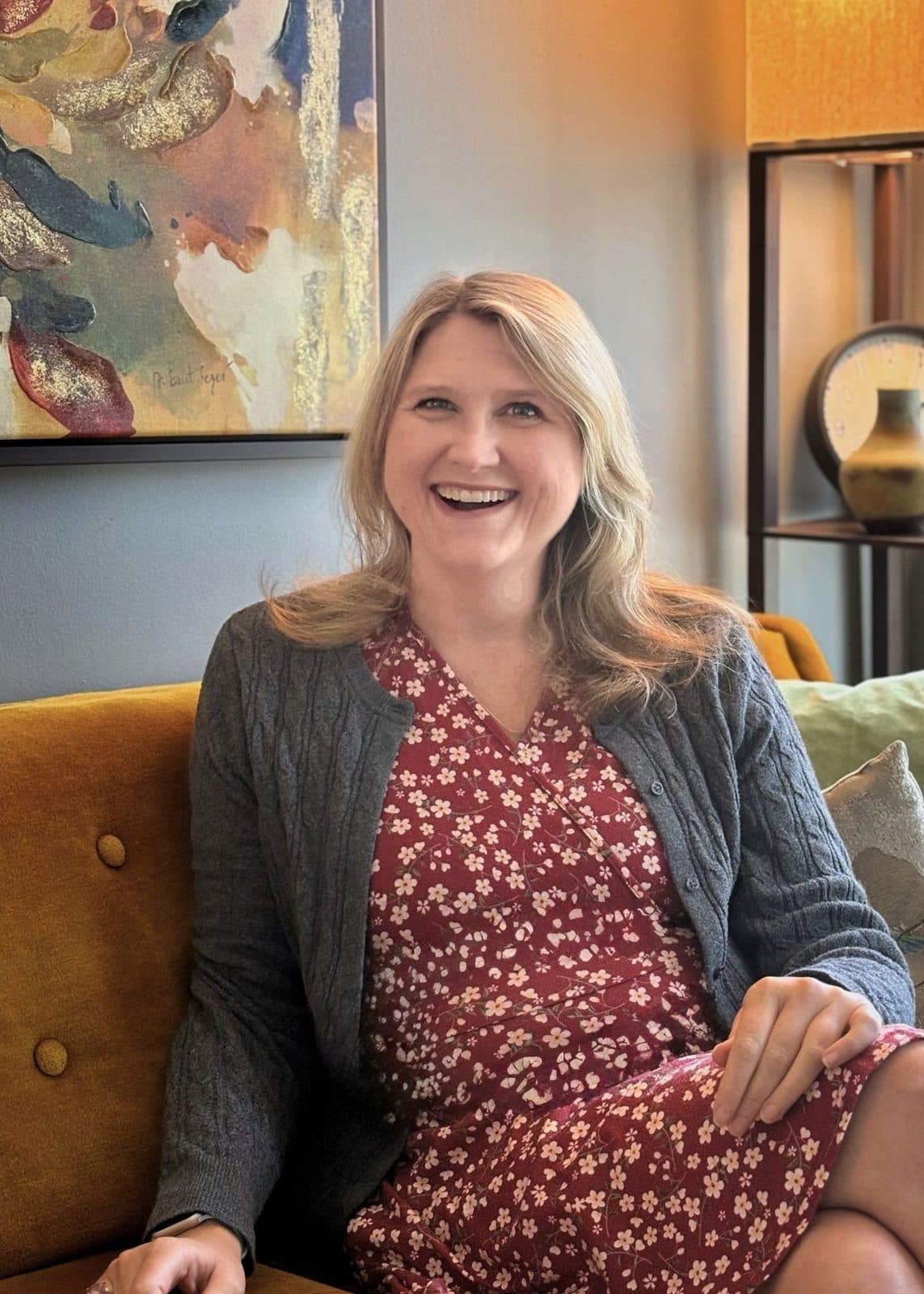

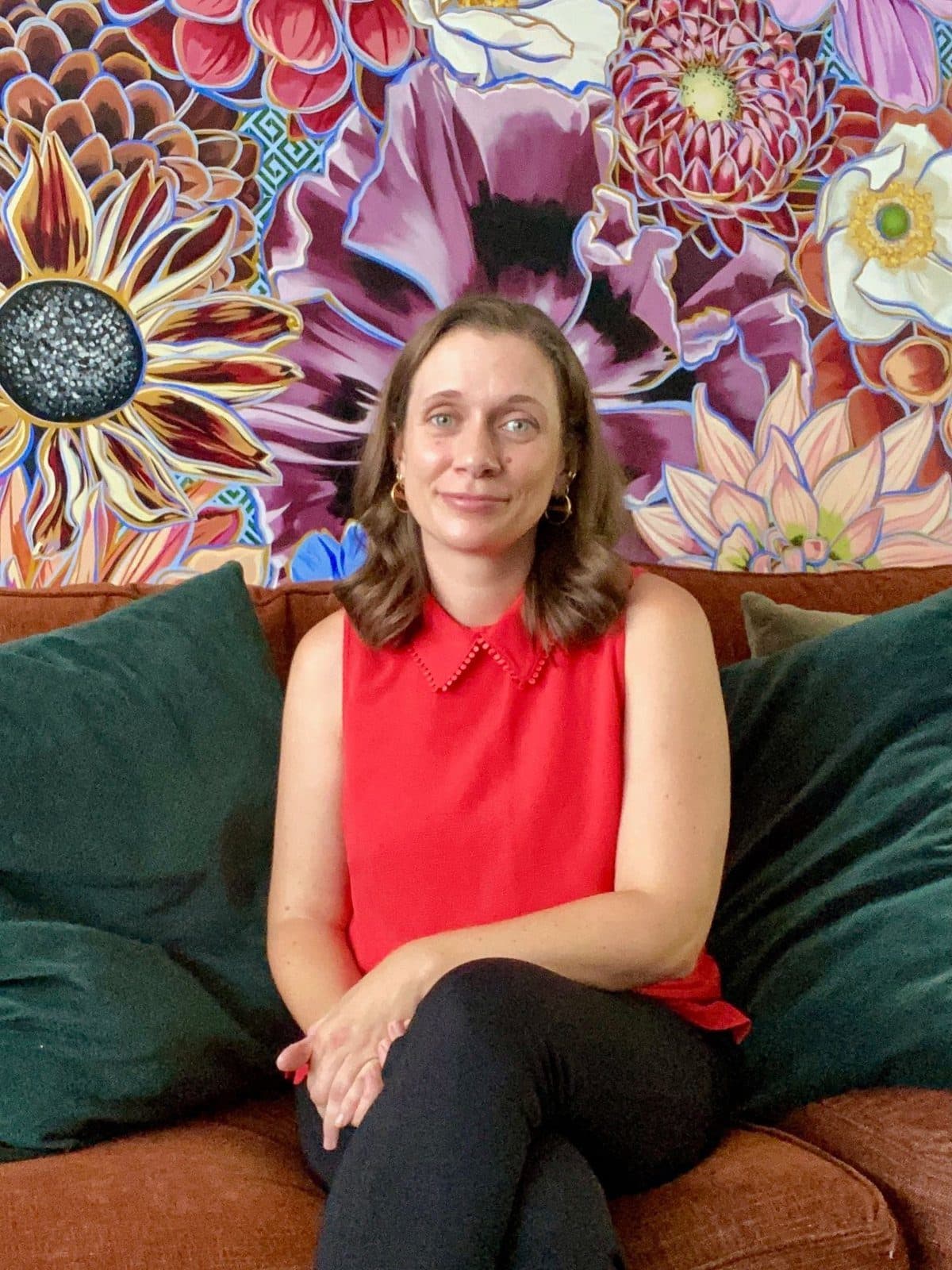
depression therapy near you
visiting us in overland park
Depression therapy takes place at our Overland Park office, 10100 W 87th St, Suite 204, Overland Park, KS 66212, inside the Mark One Building a short hop from I-35. It’s within easy reach for people in Olathe, Leawood, Mission, Prairie Village, and throughout Johnson County. When leaving the house feels impossible, secure telehealth sessions are available across Kansas, so support can come to you instead.
Mon–Fri · 8 AM–9 PM · (785) 615-1995
questions
depression therapy in overland park, answered
Still wondering about something? Call (785) 615-1995 or send us a note.
Can I use Medicare or KanCare for depression therapy in Overland Park?
Yes. Medicare, Humana Medicare, and Aetna Medicare plans are all in network, as are Kansas Medicaid (KanCare) plans including Sunflower Community Plan, United Community Plan, and Healthy Blue. We also accept many commercial plans, such as Blue Cross Blue Shield and Cigna. We bill your plan directly, and any copay or deductible is due at your visit.
What should I do if I’m having thoughts of suicide?
Please reach out now. Call or text 988 to connect with the Suicide & Crisis Lifeline, or call 911 or go to the nearest emergency room if you’re in immediate danger. Our office can’t provide emergency response, but once you’re safe, we can help with ongoing therapy and, when appropriate, psychiatric care.
Do I need medication for depression?
Not necessarily. Many people improve with therapy alone, while others find medication gives them enough footing to use therapy well. A psychiatric evaluation can help you weigh the options. Our psychiatric intake is $330 for 60 minutes, with 30-minute follow-ups at $190, and we file insurance where it applies. The choice is always yours.
How will I know depression therapy is working?
Progress with depression is usually gradual and can be hard to see from the inside. You might notice you’re sleeping better, laughing again, answering texts sooner, or bouncing back faster after a hard day. Your therapist will revisit your goals with you regularly and adjust the approach if something isn’t helping.
I’ve tried therapy before and it didn’t help. Why would this be different?
Past therapy may not have fit your needs, your timing, or the kind of depression you have. We offer approaches beyond traditional talk therapy, including somatic work, IFS, and trauma-focused methods, plus psychiatric care and, for some adults after medical screening, ketamine-assisted psychotherapy. Tell us what didn’t work before so we can try something different.

take the first step
you don't have to carry it alone.
Tell us a little about what's going on and we'll match you with a clinician in Overland Park who fits, in person or by telehealth. Most insurance accepted.