
memory reprocessing
EMDR Therapy in Overland Park, KS: Is It the Right Fit for You?
Maybe you’ve talked about it for years and it still hits just as hard. EMDR works differently, helping your brain finish processing what got stuck so an old memory can finally feel like the past.
- ◦ In person in Overland Park
- ◦ Telehealth across Kansas
- ◦ Most insurance accepted

approaches we use
- EMDR
- Brainspotting
- Accelerated Resolution Therapy
- Internal Family Systems
- Somatic Therapy
EMDR might be a good fit if…
- 01
You can describe your past calmly, but your body still reacts as though it’s happening now.
- 02
A specific memory replays when you try to fall asleep or while you’re driving.
- 03
You carry a belief like “I’m not safe” or “It was my fault” that logic can’t shake.
- 04
Panic or dread shows up in situations that echo something old.
- 05
You’ve done years of talk therapy and gained plenty of insight but not much relief.
- 06
Certain places, like a hospital, a stretch of highway, or a childhood home, feel hard to be near.
- 07
You’d prefer not to narrate every detail of what happened.
Some experiences don’t fade the way ordinary memories do. Years later, a smell, a phrase, or a certain hallway can bring back the same fear, shame, or helplessness as if it were happening now. At Mind & Body Healing Collective, EMDR therapy in Overland Park, KS, is built for exactly that. It’s an evidence-based approach that helps your brain reprocess distressing memories so they lose their emotional grip on your present.
EMDR stands for Eye Movement Desensitization and Reprocessing. During processing, you briefly bring a memory to mind while following bilateral stimulation, such as side-to-side eye movements, alternating taps, or tones, guided by your therapist. Rather than analyzing the memory, your brain does its own sorting, often linking the old experience with things you know now, like the fact that you survived and are safe today.
This page focuses less on mechanics and more on the questions people actually ask before they start. Is EMDR right for me? What will change if it works? And how is it different from the therapy I’ve already tried? If you’re weighing those questions, you’re in the right place. We’ll also be clear about when EMDR might not be the best first step.
Is EMDR Better Than Talk Therapy?
It isn’t a matter of better or worse; they do different jobs. Traditional talk therapy works largely through understanding: putting experiences into words, finding meaning, building insight and skills. That’s valuable, and for many concerns it’s exactly what’s needed. But trauma memories tend to be stored in a way that insight alone doesn’t reach. You can understand that something wasn’t your fault and still feel the full weight of shame.
EMDR targets that gap. Instead of talking through the memory at length, you briefly hold it in mind while your brain processes it with bilateral stimulation. Clients often describe the memory becoming more distant, like watching it from farther away. EMDR is also more structured than most talk therapy, following eight phases from history-taking and preparation through processing and reevaluation. At our practice, it’s often woven into ongoing therapy rather than used on its own.
Who Tends to Be a Good Candidate for EMDR
EMDR was first developed for post-traumatic stress, and it remains one of the most widely studied trauma therapies. Over time, clinicians have applied it to a broader range of concerns in which past experiences fuel present-day distress. You don’t need a PTSD diagnosis to benefit. If you can point to a memory, or even a feeling in your body, that seems to drive a current struggle, EMDR may be worth exploring.
Some people need more preparation before processing begins. If you dissociate easily, are in an ongoing unsafe situation, are in active crisis, or rely heavily on substances to cope, your therapist will likely focus first on stabilization and coping skills. That isn’t a rejection; it’s about making sure the work helps rather than overwhelms. In those cases, IFS, somatic work, or DBT skills often come first. Readiness can be built, and your therapist will help build it.
- Single-incident trauma, like an accident, assault, or medical emergency
- Childhood trauma and difficult early relationships
- Anxiety and panic linked to past events
- Depression tied to loss, shame, or painful experiences
- Grief that feels stuck or complicated
- Negative self-beliefs and relationship patterns rooted in the past
What Results From EMDR Can Look Like
People often expect EMDR to erase a memory. It doesn’t. You still remember what happened, but the memory stops feeling like a live wire. The racing heart, tight throat, or urge to escape fades. Beliefs tend to shift too, often in ways clients arrive at on their own, such as “I was a kid, I couldn’t have stopped it” or “That’s over, and I’m here now.” Relief tends to show up in daily life before anyone names it.
The effects often ripple outward. With a memory no longer driving the alarm system, sleep may improve, triggers lose intensity, and relationships feel less charged. Some clients notice meaningful shifts after a handful of processing sessions on a single memory, while complex histories take longer, with several memories addressed one at a time. We don’t promise timelines, but your therapist will track your distress ratings with you so you can see progress.
How We Use EMDR at Mind & Body Healing Collective
EMDR at our practice is provided by clinicians trained in the method, within a broader trauma-informed and integrative approach. Your therapist will spend time on history and preparation first, teaching you ways to calm your nervous system, such as imagining a calm place or using a container exercise to set distress aside between sessions. Processing begins only when you feel ready and resourced. There’s no pressure to rush into the hardest memory first.
Because our team includes clinicians trained in several trauma modalities, EMDR isn’t your only option. If eye movements feel uncomfortable, if a memory is hard to access, or if you simply prefer a different style, Brainspotting and Accelerated Resolution Therapy offer related routes. Many clients pair EMDR with Internal Family Systems or somatic work, especially when protective parts of them are hesitant to approach old pain. The goal is finding the right route, not forcing one method.
Finding EMDR in Overland Park and Across Johnson County
EMDR works best when sessions are consistent, especially during active processing, when long gaps can leave a memory half-sorted. That makes location and scheduling more than a convenience. Our office on West 87th Street, inside the Mark One Building, sits close to I-35, a straightforward trip from Olathe, Lenexa, Merriam, or Shawnee, and office hours run 8 AM to 9 PM on weekdays. Protecting a regular time slot during processing can make a real difference.
Availability of EMDR-trained clinicians varies by office and schedule, so tell us when you call that EMDR is what you’re looking for. We’ll explain honestly what we can offer in Overland Park, at our Lawrence offices, and whether telehealth is an option for your situation. If another approach might suit you better, we’ll tell you that too, and why. A good match up front tends to save time, money, and frustration later on.
what to expect
how we'll begin, together
- 1
Ask about EMDR specifically
When you contact us, mention EMDR so we can look for a trained clinician whose schedule and focus fit your needs.
- 2
History and preparation
Early sessions identify target memories and beliefs and build calming skills, so you have steady footing before any processing.
- 3
Reprocessing sessions
You briefly focus on a memory with bilateral stimulation while your therapist checks in and tracks how distressing it feels.
- 4
Reevaluate and integrate
Each session starts by noting what has shifted, then you move to remaining memories or future triggers until your goals are met.
clinicians in overland park
people you might work with

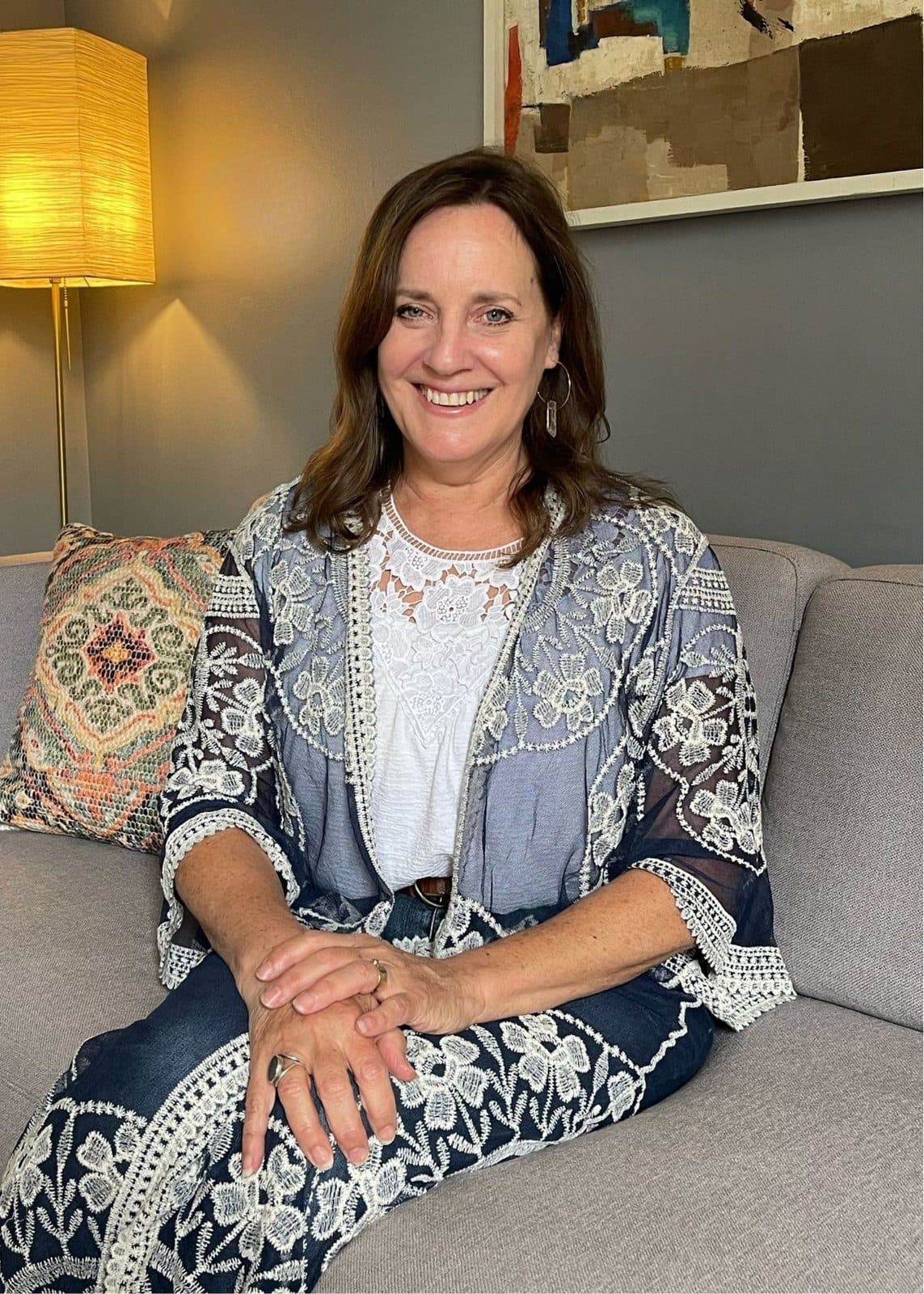
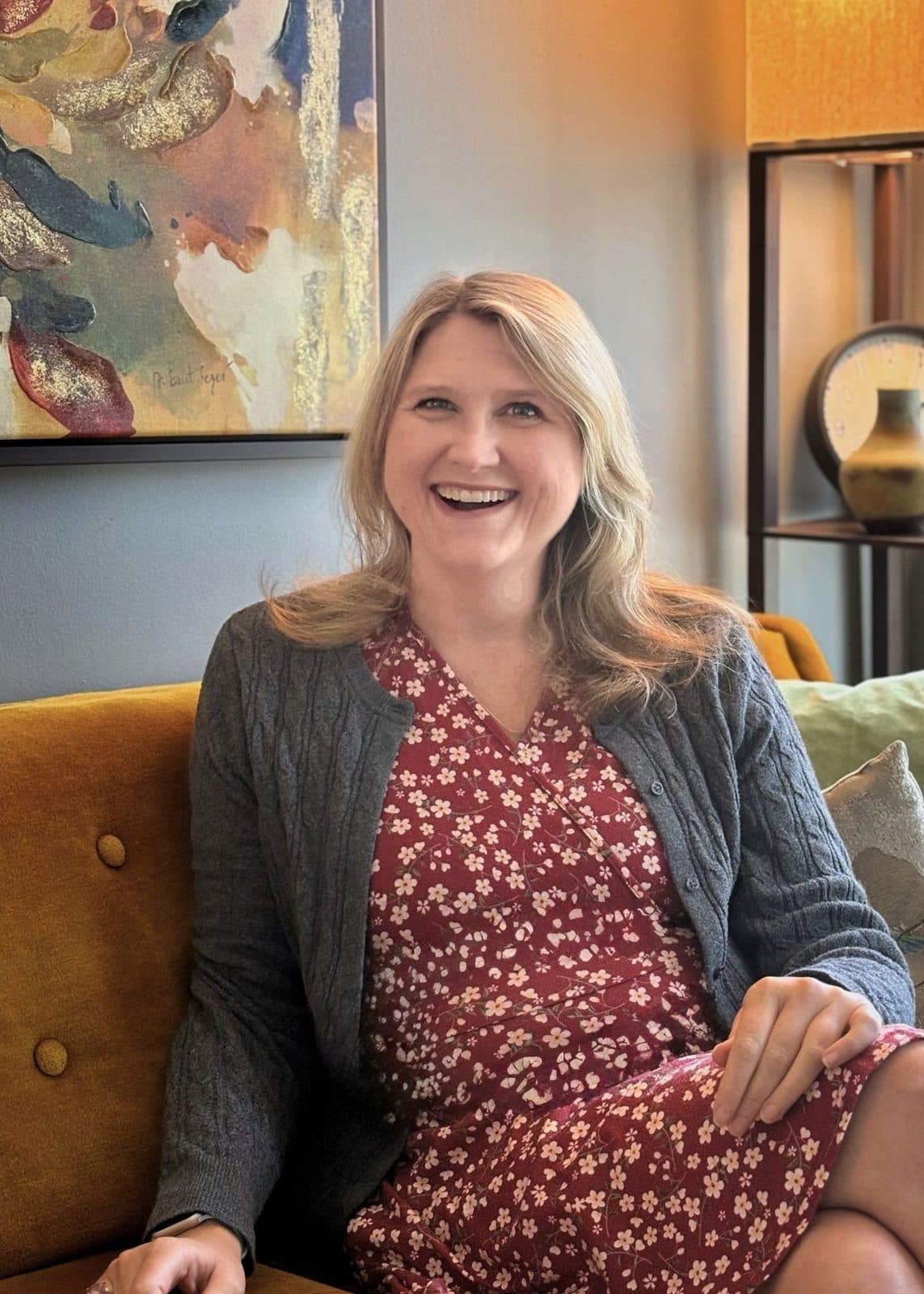

emdr therapy near you
visiting us in overland park
EMDR therapy is available through our Overland Park office at 10100 W 87th St, Suite 204, Overland Park, KS 66212, located in the Mark One Building near I-35. It’s an easy drive from Olathe, Lenexa, Leawood, and Prairie Village. Telehealth sessions are offered across Kansas, and our front-office team can help you figure out which setting will work best for your EMDR sessions.
Mon–Fri · 8 AM–9 PM · (785) 615-1995
questions
emdr therapy in overland park, answered
Still wondering about something? Call (785) 615-1995 or send us a note.
Is EMDR covered by insurance in Overland Park?
EMDR is part of psychotherapy sessions here, so it’s typically billed the same way as other therapy. In-network plans include Ambetter, Aetna, BCBS (all Kansas and Kansas City networks), Cigna, UMR, United, Medicare, and KanCare. Self-pay rates are $250 for 60 minutes or $175 for 45 minutes, with a 40% discount when you pay on the day of service.
Does EMDR work for anxiety or depression, not just trauma?
It can. When anxiety or depression is connected to specific past experiences, such as a humiliating moment, a loss, or years of criticism, EMDR can help reprocess those roots. It’s less suited to worry or low mood that isn’t tied to identifiable experiences. Your therapist will help you decide whether it’s a good match.
Will I lose control or be hypnotized during EMDR?
No. You stay awake, aware, and in charge throughout. You can stop at any moment by raising a hand or saying so. EMDR isn’t hypnosis; you remain fully present in the room, and many people are surprised by how ordinary it feels. The changes happen within your own mind, at your own pace.
How will I feel after an EMDR session?
Many people feel tired, lighter, or a bit raw after processing. You might notice new memories, vivid dreams, or shifting emotions for a day or two as your brain keeps sorting. Your therapist will close each session with grounding and help you plan gentle self-care, especially after the first few processing sessions.
Can children or teens do EMDR?
EMDR can be adapted for young people, with shorter sessions, playful forms of bilateral stimulation, and more caregiver involvement. Whether it’s right for your child depends on their age, needs, and the clinician’s training. Let us know your child’s age when you call, and we’ll talk through the options available.

take the first step
you don't have to carry it alone.
Tell us a little about what's going on and we'll match you with a clinician in Overland Park who fits, in person or by telehealth. Most insurance accepted.