
trauma-informed care
Trauma Therapy in Overland Park, KS: Healing at a Pace Your Body Can Trust
What happened to you may be over, but your body might not know that yet. Trauma therapy helps the past settle into the past, so you can live more fully in the present.
- ◦ In person in Overland Park
- ◦ Telehealth across Kansas
- ◦ Most insurance accepted

approaches we use
- EMDR
- Brainspotting
- Accelerated Resolution Therapy
- Internal Family Systems
- Somatic Therapy
- DBT Skills
How trauma might be showing up in your life
- 01
A certain tone of voice, smell, or song can pull you out of the present in an instant.
- 02
You scan every room for exits or sit facing the door without thinking about it.
- 03
Nightmares or a racing heart at night make sleep feel like a chore.
- 04
People say you overreact, but inside it feels like survival.
- 05
There are gaps in your memory around certain years or events.
- 06
You feel numb or far away, as if life is happening behind glass.
- 07
You keep ending up in relationships that feel familiar in all the wrong ways.
- 08
You’ve used alcohol, overwork, or risky choices to avoid feeling anything.
Trauma is more common than most people realize. It can come from a single event, such as a serious crash, an assault, or a sudden death, or from experiences that stretched over years: growing up with neglect or chaos, living in a controlling relationship, enduring discrimination, or caring for someone through a long illness. At Mind & Body Healing Collective, our trauma therapy in Overland Park, KS, is designed for all of these, whether your story has a clear headline or no words at all yet.
Trauma can shape how you think, feel, sleep, and relate to people, sometimes long after you’ve stopped thinking about the original events. It isn’t a character flaw or proof that you should be over it by now. It’s what happens when a nervous system is overwhelmed and never gets the chance to fully recover. Your reactions made sense in the moment they were formed.
We believe healing is possible. With the right support, you can process what you’ve been through, regain a sense of control over your reactions, and begin building a life that feels grounded, connected, and safe, rather than one organized around avoiding the next reminder. Many people begin therapy unsure whether what they lived through counts; you don’t need to settle that question before reaching out.
Understanding What Trauma Does to the Brain and Body
When something overwhelming happens, the brain’s survival systems take over. Fight, flight, freeze, and fawn (appeasing others to stay safe) are automatic responses that help you get through. Ordinarily, once danger passes, the body discharges that energy and returns to baseline. With trauma, that return doesn’t fully happen. Memories stay stored in raw, fragmented form, and the alarm system remains set to a hair trigger. Your body keeps preparing for an emergency that has already ended.
That’s why trauma can show up as anxiety, depression, guilt, irritability, emotional numbness, trouble sleeping, or physical symptoms that doctors can’t fully explain. It’s also why simply understanding what happened often isn’t enough to feel better. Healing tends to require working with the parts of the brain and body that store the experience, not only the parts that tell the story. This is exactly the gap that specialized trauma therapies are designed to bridge.
Do I Have to Talk About What Happened in Detail?
No. This is one of the biggest fears people bring to trauma therapy, and it’s a reasonable one. Retelling a painful story over and over without support can make things worse. In our work, you stay in charge of what you share and when. Several of the trauma therapies we use, including EMDR, Brainspotting, and Accelerated Resolution Therapy, can help your brain process a memory without requiring you to narrate every detail aloud.
Before any processing begins, your therapist focuses on safety and stabilization: getting to know you, building trust, and making sure you have ways to calm your body when things get stirred up. Only with that foundation in place do you start working with difficult memories directly. If at any point it feels like too much, you can slow down or pause. Your pace is the right pace, and nothing is gained by forcing it.
Trauma Therapies We Offer in Overland Park
Our clinicians are trained in a range of trauma-focused approaches, which lets us match the method to you instead of the other way around. We also bring in supportive tools, such as DBT skills and mindfulness, that help you cope in daily life while deeper healing happens in the background. Most clients benefit from a blend of approaches over time, adjusted as their needs change. If one method doesn’t fit, there are others to try.
For complex or developmental trauma, the kind that comes from years rather than moments, we often weave in Internal Family Systems and somatic work. These approaches help you understand the protective patterns you developed to survive and gently teach your nervous system that it’s safe to let them soften. Cognitive behavioral therapy can also help you challenge beliefs like “it was my fault” or “I’m never safe.” Over time, those beliefs can loosen their grip.
- EMDR: guided eye movements or taps help the brain reprocess stuck memories
- Brainspotting: uses where your eyes rest to access and release stored trauma
- Accelerated Resolution Therapy: a structured, often briefer method for changing how distressing images feel
- Internal Family Systems: works with the parts of you that carry or guard old pain
- Somatic therapy: rebuilds safety and regulation through the body
- DBT skills: practical tools for intense emotions and urges
Trauma-Informed Care for Every Person and Every Story
Being trauma-informed means more than using the right techniques. It means we assume you’ve had good reasons for every way you’ve coped, we ask rather than assume, and we build choice and collaboration into every session. Our therapists see people at every stage of life, from age four onward, including survivors of childhood abuse, sexual trauma, medical trauma, accidents, and relational or religious harm. Every one of those stories deserves to be taken seriously.
We are LGBTQIA+ affirming and understand that identity-based harm, from rejection by family to discrimination at work or school, can be traumatic in its own right. Veterans and military families are welcome here as well. Wherever your trauma comes from, you won’t be asked to prove it was bad enough to deserve care, and you won’t be rushed toward forgiveness or closure you don’t feel. Healing here is defined by you.
Trauma Therapy Close to Home, With Privacy in Mind
In a community where you might run into a coworker at the grocery store or a neighbor at a school event, privacy matters. Our Overland Park office is in a professional office building, the Mark One Building at 10100 W 87th St, Suite 204. It’s convenient to I-35 for people coming from Lenexa, Shawnee, Merriam, and Olathe, and it’s part of a larger collective with offices in Lawrence and Topeka.
If walking into a new space feels too activating at first, you can begin with telehealth from anywhere in Kansas and move to in-person sessions later, or simply stay online. And if you are ever in crisis or thinking about harming yourself, call or text 988 at any time for immediate support from the Suicide & Crisis Lifeline. Healing from trauma is hard enough without also having to navigate a setting that doesn’t feel right.
what to expect
how we'll begin, together
- 1
Reach out when you’re ready
Call, email, or request an appointment. You don’t need to share details of your trauma to schedule; just say you’re looking for trauma therapy.
- 2
Build safety first
Your first sessions focus on trust, history shared at your pace, and grounding skills that help your body settle.
- 3
Process what’s stuck
With a foundation in place, you and your therapist choose an approach, such as EMDR, Brainspotting, IFS, or somatic work, to address specific memories or patterns.
- 4
Integrate and reclaim
As the charge fades, therapy shifts toward rebuilding relationships, self-trust, and a life that isn’t organized around old danger.
clinicians in overland park
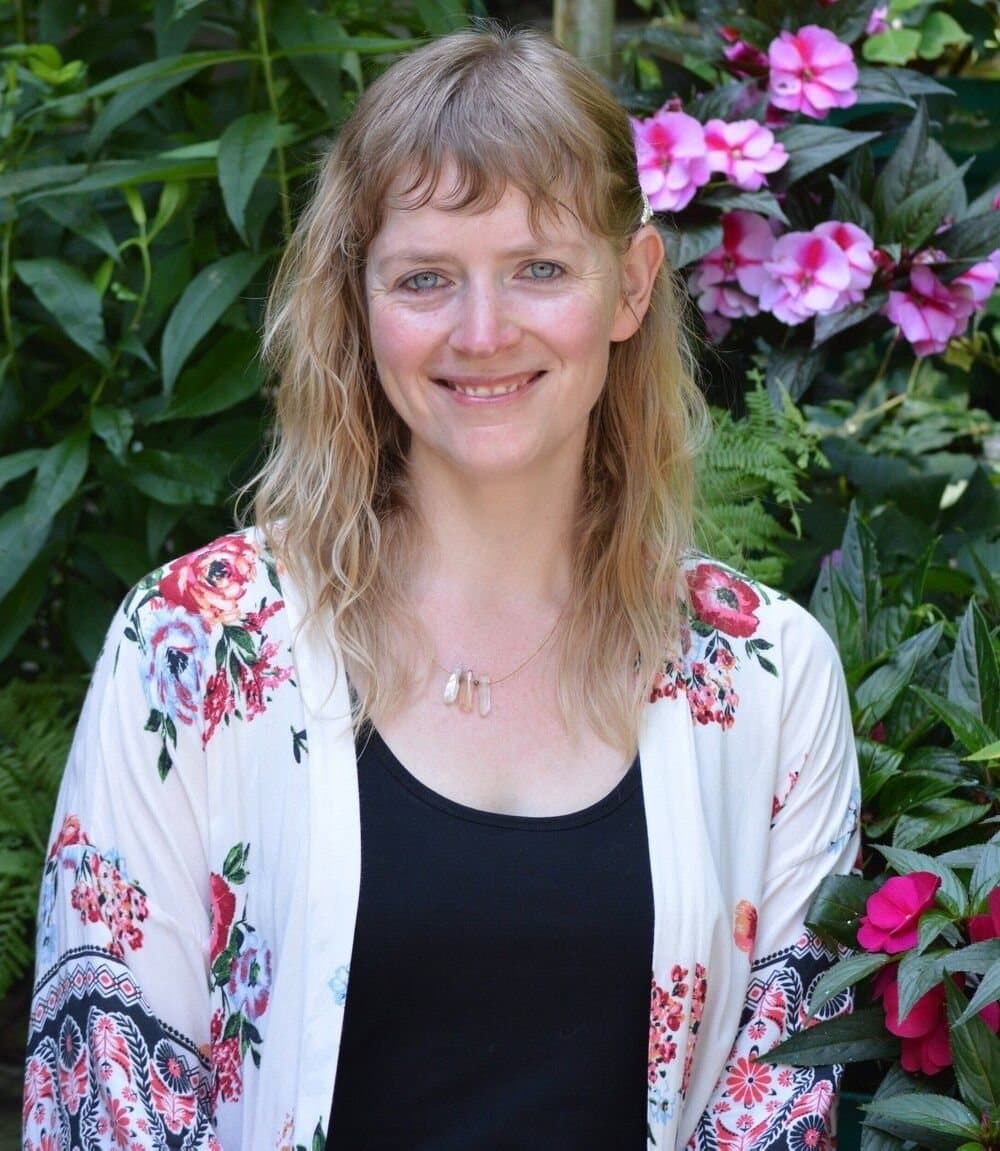
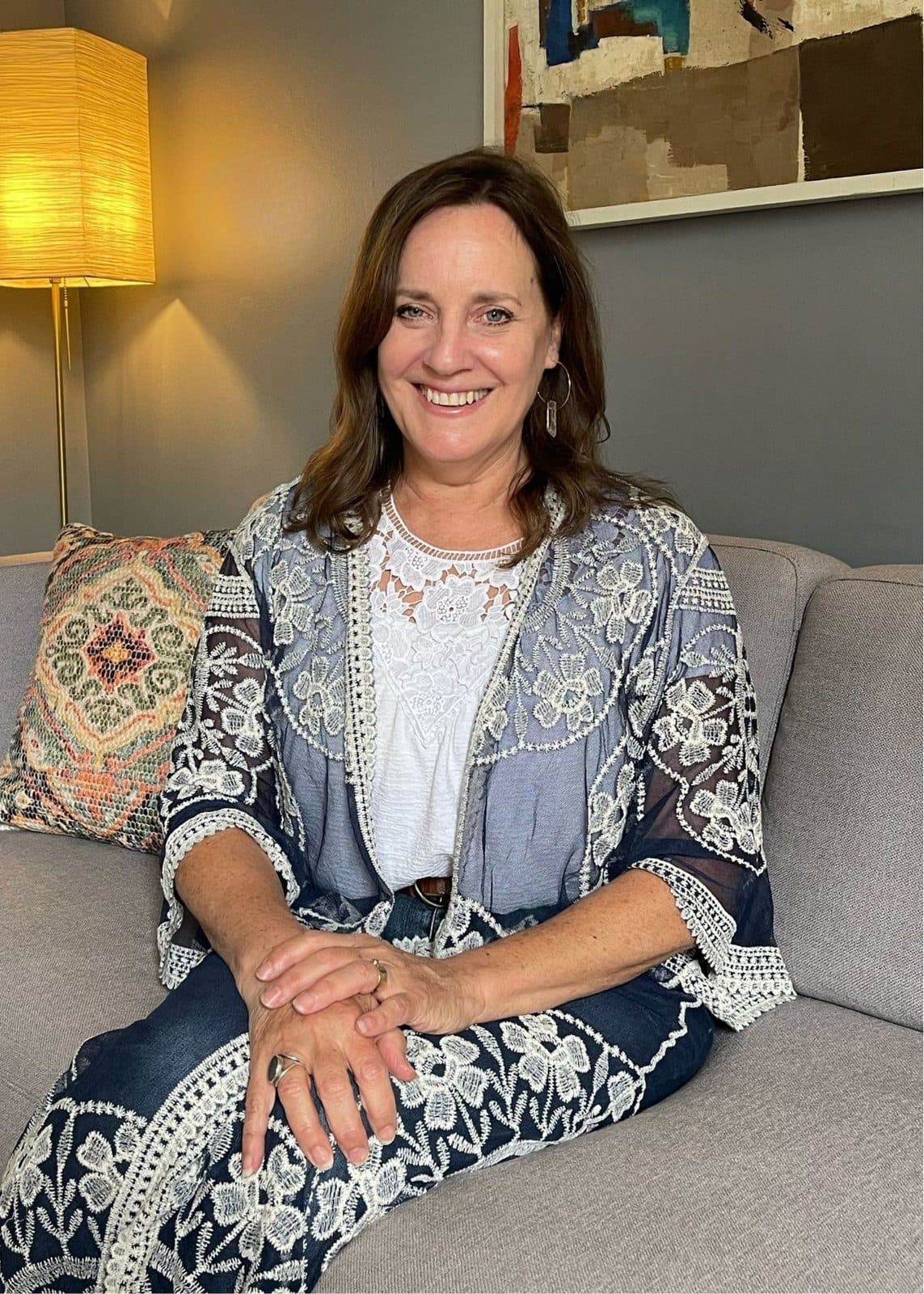
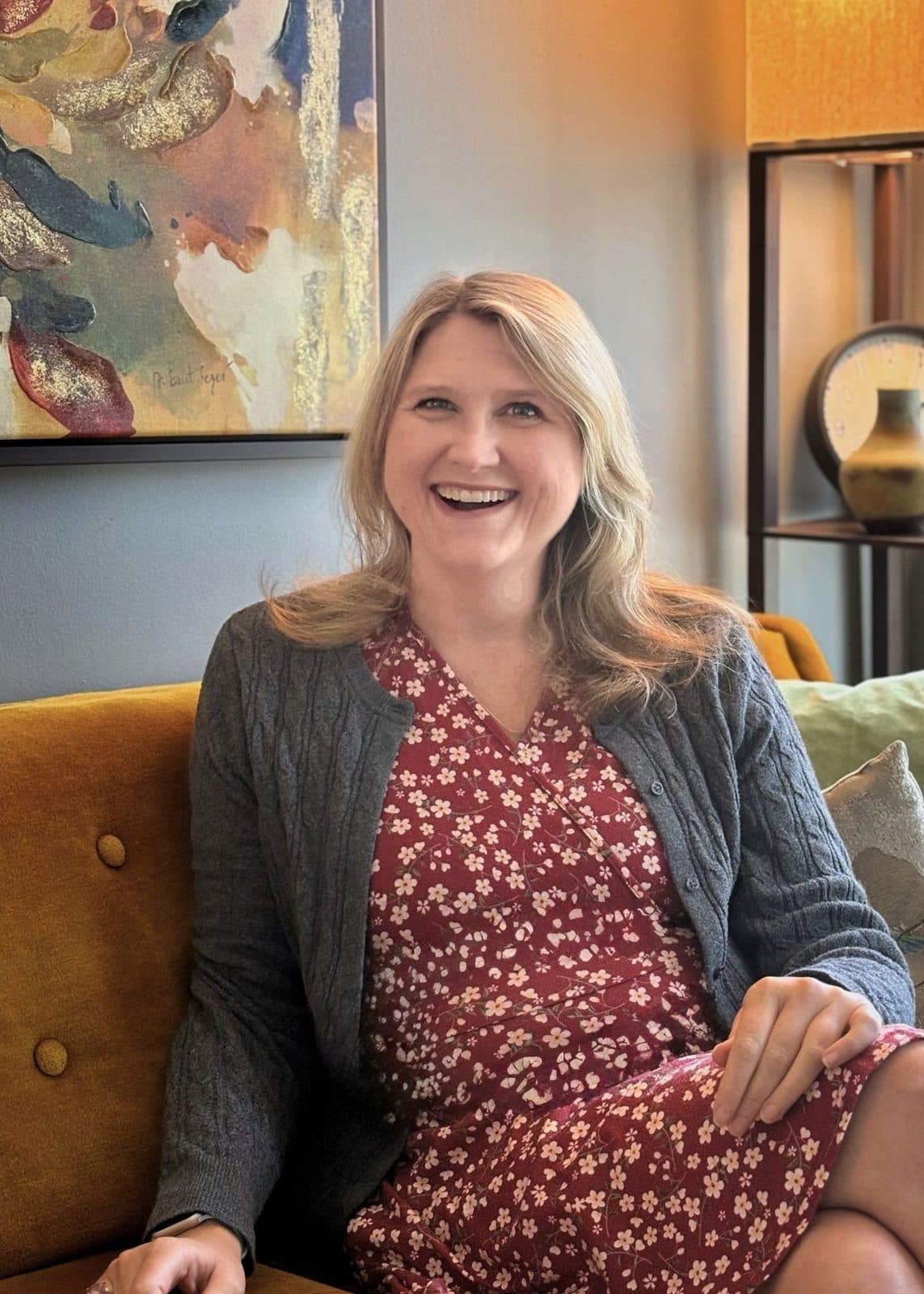
people you might work with

trauma therapy near you
visiting us in overland park
Trauma therapy is offered at our Overland Park location, 10100 W 87th St, Suite 204, Overland Park, KS 66212, in the Mark One Building off I-35 near 87th Street Parkway. It’s a manageable drive from Leawood, Prairie Village, Mission, Lenexa, and the wider Kansas City metro. Telehealth trauma therapy is also available throughout Kansas for anyone who would rather heal from a familiar space.
Mon–Fri · 8 AM–9 PM · (785) 615-1995
questions
trauma therapy in overland park, answered
Still wondering about something? Call (785) 615-1995 or send us a note.
Do you accept Tricare or VA plans for trauma therapy in Overland Park?
Yes. We’re in network with Tricare and VA/Veterans plans, along with many others, including Blue Cross Blue Shield, Aetna, Cigna, United, Medicare, and KanCare plans. We submit the paperwork to your plan, and your copay, coinsurance, or deductible is due at the time of service. Self-pay clients receive a 40% discount when paying the day of service.
How long does trauma therapy take?
It varies. A single, recent traumatic event may resolve with a relatively short course of focused work, while complex trauma from childhood or long-term relationships generally takes longer. Stabilization alone can take a few weeks or a few months, depending on your needs. Your therapist will talk honestly with you about expectations and revisit them as you go.
Can trauma therapy make me feel worse before I feel better?
Sometimes, briefly. Processing old material can stir up emotions, vivid dreams, or fatigue for a day or two. That’s why we build coping skills first and pace the work carefully. If distress lingers, tell your therapist so the plan can be adjusted. The goal is steady progress, not pushing through overwhelm.
What if I don’t remember much of what happened?
That’s very common with trauma, especially from childhood. You don’t need clear memories to benefit from therapy. Approaches like somatic therapy, Brainspotting, and IFS can work with what your body and emotions are carrying, even when the story has gaps. Your therapist won’t pressure you to recover memories or fill in blanks.
Is trauma therapy the same as PTSD treatment?
PTSD is a specific diagnosis, while trauma therapy addresses the full range of ways overwhelming experiences can affect you, whether or not you meet PTSD criteria. Many of the same approaches, like EMDR and Brainspotting, are used for both. Plenty of people have trauma symptoms that don’t fit a formal diagnosis and still deserve thoughtful care.

take the first step
you don't have to carry it alone.
Tell us a little about what's going on and we'll match you with a clinician in Overland Park who fits, in person or by telehealth. Most insurance accepted.